









15 August

Independence Day 2026
see more
Advertisement
Independence Day 2026
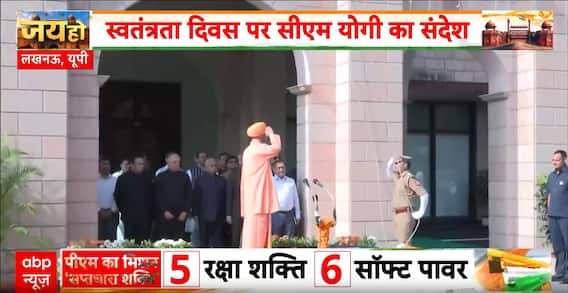
The month-long celebrations of India's Independence have begun, bringing with them a renewed sense of patriotism and enthusiasm across the country. As part of this special series, ABP brings you the story of Independence Day and the journey of India's freedom.
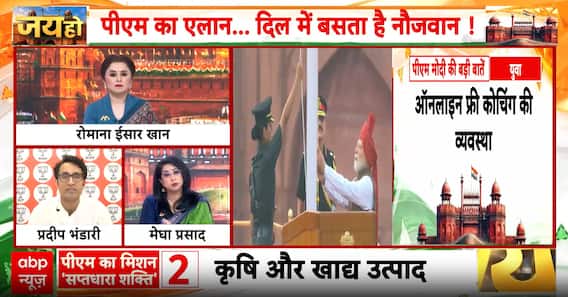
August 15, 1947, marks the day India attained Independence—a date that continues to inspire the nation to renew its commitment to building a stronger and more prosperous future. This year, India is celebrating its 80th Independence Day. Every year, millions eagerly await Prime Minister Narendra Modi's address from the ramparts of the Red Fort, a defining moment of the national celebrations. The entire country comes together in a spirit of pride and patriotism, while the sight of the Tricolour fluttering across the sky fills hearts with hope and reverence. The occasion also serves as a tribute to the countless freedom fighters whose sacrifices made India's Independence possible. Their stories continue to inspire generations and remain at the heart of the celebrations. As the nation honours the sacrifices of the past, takes pride in the achievements of the present, and looks ahead with the resolve of a Viksit Bharat, the spirit of Independence Day resonates across the country.
August 15, 1947, marks the day India attained Independence—a date that continues to inspire the nation to renew its commitment to building a stronger and more prosperous future. This year, India is celebrating its 80th Independence Day. Every year, millions eagerly await Prime Minister Narendra Modi's address from the ramparts of the Red Fort, a defining moment of the national celebrations. The entire country comes together in a spirit of pride and patriotism, while the sight of the Tricolour fluttering across the sky fills hearts with hope and reverence. The occasion also serves as a tribute to the countless freedom fighters whose sacrifices made India's Independence possible. Their stories continue to inspire generations and remain at the heart of the celebrations. As the nation honours the sacrifices of the past, takes pride in the achievements of the present, and looks ahead with the resolve of a Viksit Bharat, the spirit of Independence Day resonates across the country.
Freedom Dash
Independence Day Wishes
Advertisement
Photo Gallery
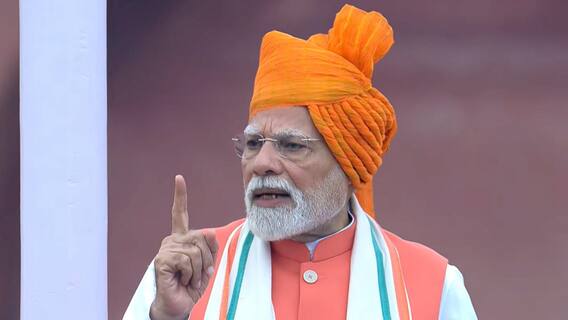
Independence Day 2025 — A Visual Journey Of Narendra Modi’s Iconic Turban Moments Over The Years
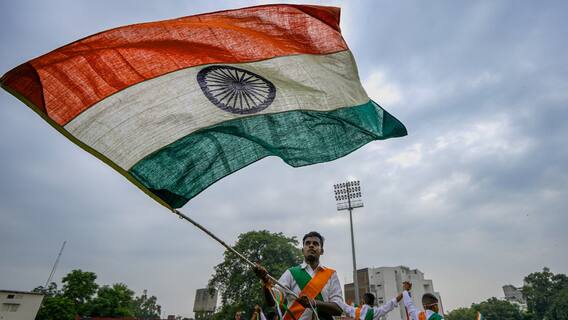
Independence Day 2025: Patriotic Fervour Marks Full Dress Rehearsal Ahead Of 15th August

Independence Day 2025 — Top 8 Vibrant Saffron, White, And Green Home Decor Ideas
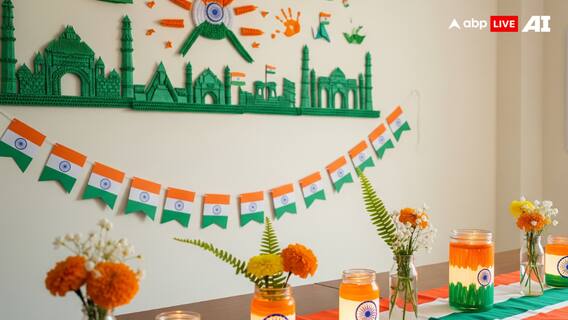
Independence Day 2025: 8 Creative DIY Crafts For Independence Day Decor
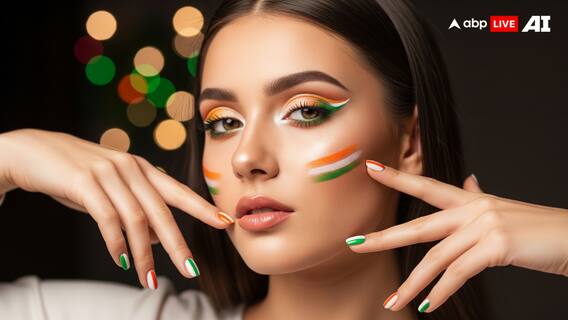
Independence Day 2025: 8 Creative Makeup Ideas To Try For The Celebration
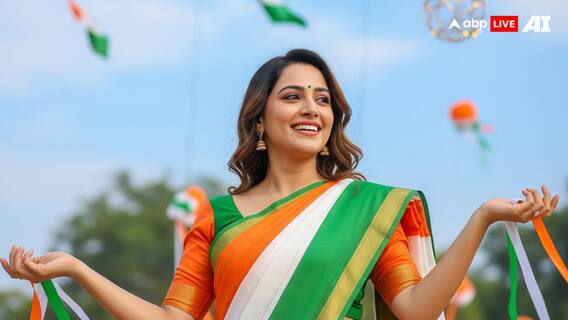
Independence Day 2025: 8 Stunning Ethnic Outfit Ideas To Celebrate The Day

Yami Gautam To Alia Bhatt: Bollywood Actresses Who Played Fierce Patriots On Screen

8 DIY Tricolour Crafts Kids Can Make At Home This Independence Day 205
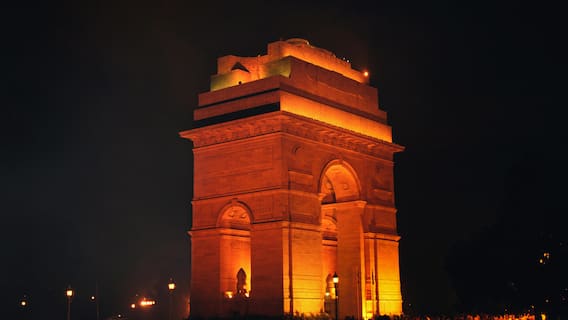
Independence Day 2024: 7 Must-Visit Places in Delhi to Reflect on India's Freedom Struggle

Independence Day 2024: PM Modi Sports Multi-Coloured Leheriya Turban For His 11th I-Day Address

Independence Day 2024: Buildings, Monuments Lit Up Across India Ahead Of I-Day — IN PICS

Helicopter Showers Petals As Tricolour Is Hoisted & More — I-Day 2024 Full Dress Rehearsal At Red Fort In Pics
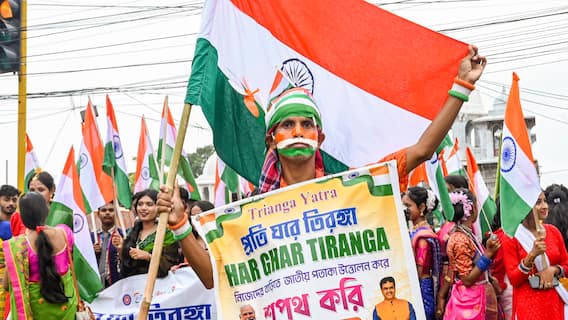
CRPF Personnel To Students, 'Har Ghar Tiranga' Takes Flight Ahead Of Independence Day — IN PICS

SEE PICS: Flamboyant Yet Traditional — PM Modi's Independence Day Attires Through The Years

IN PICS | Economic Visionaries Who Crafted India's Growth Trajectory
More Stories
see more
News

India Turns 80: Putin, Macron, Rubio, Muizzu And Others Send Independence Day Wishes
India

'Sign Of Desperation’: PM’s Fumble, ‘Dimaagi Naxals’ Remark Triggers Oppn Attack
Lifestyle

PM Modi Sets Big Pharma Target: Indian Drugmakers Should Join World’s Top Five
Entertainment

‘Gadar’, ‘Border’, ‘Sam Bahadur', ‘Chak De! India’: Bollywood Dialogues That Became Patriotic Anthems
News

Vijay's First I-Day Speech As Tamil Nadu CM: 'Real Freedom' Means Breaking Caste, Religious Barriers
Celebrities

Kangana Ranaut’s ‘Independent Day’ Wish Goes Viral, Internet Spots Typo
Religion
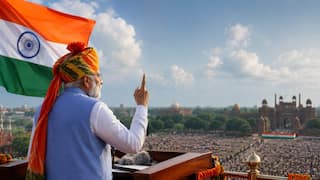
PM Modi’s Independence Day 2026 Speech: ABP Live Predicted These Big Announcements
India

CJP Claims Instagram Account Taken Down On I-Day; Abhijeet Dipke Slams 'Bloody Cowards'
Celebrities
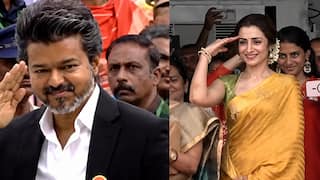
Trisha Salutes Vijay In Viral Video As Tamil Nadu's CM Hoists Flag On 80th Independence Day: WATCH
Lifestyle

Independence Day 2026 Red Fort Celebrations: Floral Décor, 21-Gun Salute And The Historic Vande Mataram Moment
India

PM Modi Announces Free Online Coaching For Competitive Exams, AI Training For 1 Cr Youth On I-Day
India
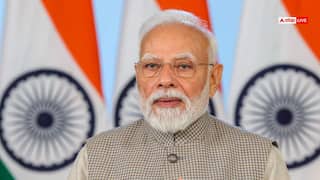
'Their Dreams Inspire Us': PM Modi Greets Nation On I-Day, Pays Tribute To Freedom Fighters
FAQs
When is India's Independence Day celebrated?
Which country did India gain independence from?
Britain (United Kingdom)
Who was the first Governor-General of independent India?
Lord Mountbatten (Louis Mountbatten) was the first Governor-General of independent India
Who delivered the famous speech at midnight on 15 August 1947?
Pandit Jawaharlal Nehru delivered the famous speech titled "Tryst with Destiny"
Who designed the National Flag of India?
The National Flag of India was designed by Pingali Venkayya