Explorer
IN PICS | Economic Visionaries Who Crafted India's Growth Trajectory
From 1947, India's economic path was guided by some visionary economists. After 76 years of independence, the nation's resilience and growth owe much to their contributions. Let us remember them

Independence Day Mahalanobis Man Amartya Sen Visionaries Of Economics Who Shaped India's Growth Path
1/7

Prof. Prasanta Chandra Mahalanobis: A pioneer in statistics and economics, Prof. Mahalanobis played a monumental role in shaping India's Second Five-Year Plan. Prof. Prasanta Chandra Mahalanobis is often referred to as the father of Indian Statistics. Mahalanobis was born in Calcutta, India in 1893. Mahalanobis was a strong advocate of central planning, and he believed that the government should play a leading role in the economy. The Mahalanobis model was based on a focus on heavy industry, and it helped to lay the foundation for India's industrialisation. (Image: ISI)
2/7

VKRV Rao: VKRV Rao was born in Mysore, India in 1908. He studied economics at the University of Mysore and then went on to earn a PhD from the London School of Economics. Rao was a member of the Planning Commission for many years, and he served as its chairman from 1964 to 1971. He was a strong advocate of agricultural development, and he helped to introduce a number of policies that boosted agricultural production. (Image: DSE)
3/7
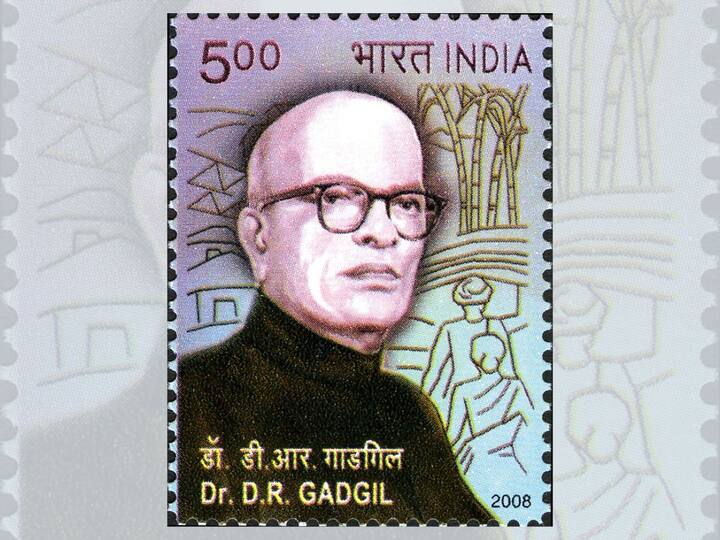
DR Gadgil: A distinguished economist, Dr. Gadgil played a pivotal role in designing India's First Five-Year Plan. His contributions focused on tackling rural poverty, agricultural productivity enhancement, and industrialization. Dr. Gadgil championed a comprehensive approach to development, balancing growth and equity. (Image: Wiki Commons)
4/7
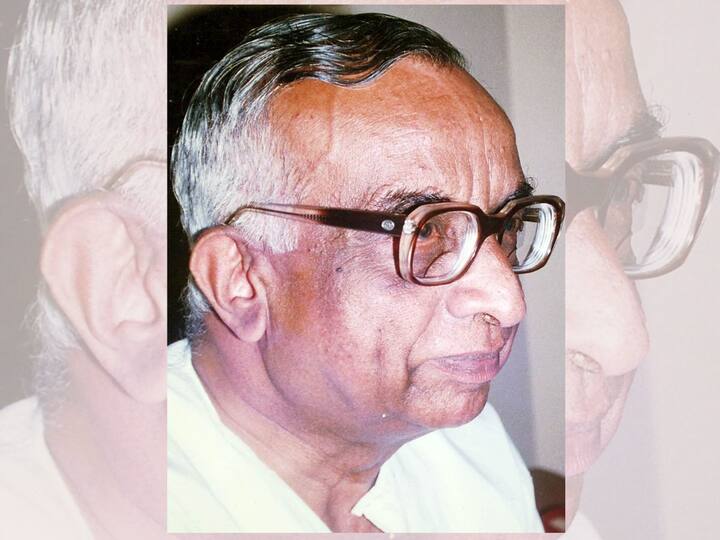
KN Raj: Known for his pioneering work on the 'Kerala Model' of development, Prof. Raj advocated for a unique approach to growth. He emphasised human development indicators, social justice, and equitable distribution of resources. Prof. Raj's ideas have profoundly influenced India's commitment to inclusive growth, providing insights into poverty alleviation and education. (Image: Wiki Commons)
5/7
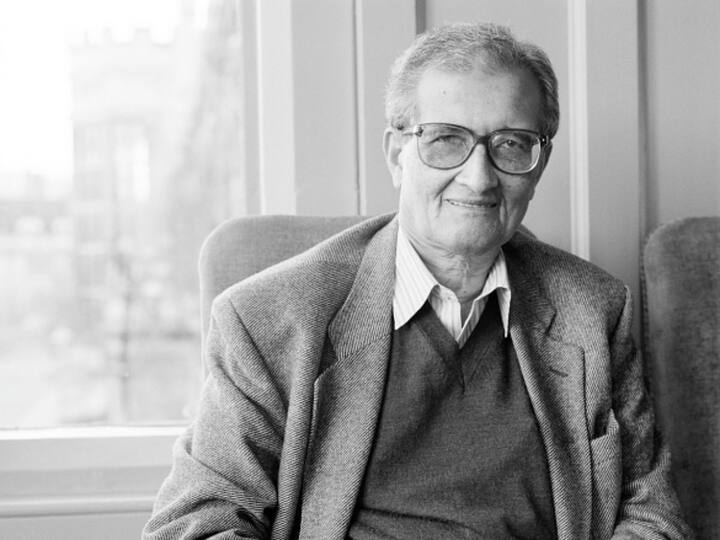
Prof. Amartya Sen: A Nobel laureate in economics, Prof. Sen introduced the concept of "Development as Freedom." His framework highlighted that development should not be confined to economic growth alone. Prof. Sen's emphasis on health, education, and social justice revolutionised development paradigms, contributing to a more holistic approach to progress. (Image: Getty)
6/7
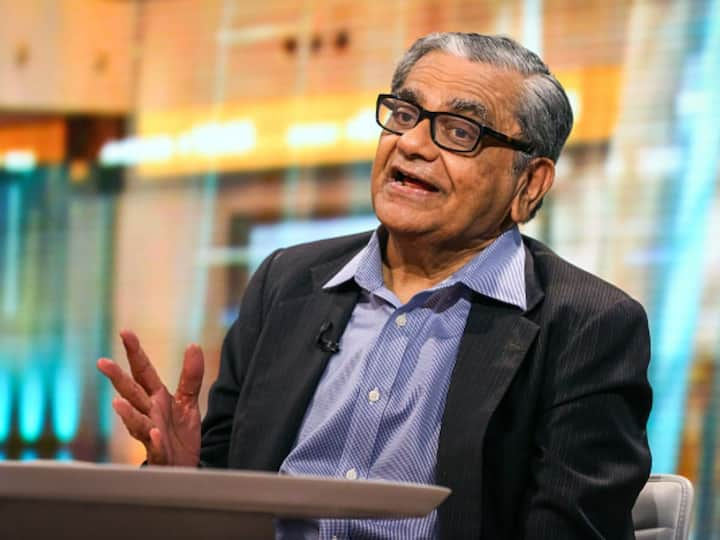
Prof. Jagdish Bhagwati: Prof. Bhagwati's ideas on free trade and globalisation have had a profound impact on India's economic policies. His advocacy for liberalisation and trade reforms paved the way for India's integration into the global economy. (Image: Getty)
7/7
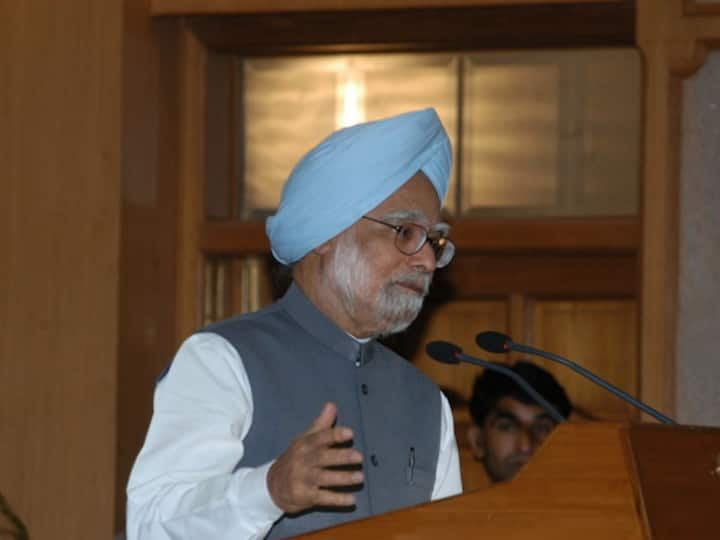
Dr. Manmohan Singh: Dr. Manmohan Singh's role as Finance Minister in the 1990s marked a watershed moment for India's economy. His bold economic reforms dismantled the License Raj, encouraged foreign investment, and propelled India into a new era of economic growth and globalization. His leadership as Prime Minister laid the groundwork for India's emergence as a global economic player. (Image: Getty)
Published at : 15 Aug 2023 10:47 AM (IST)
















Trending News

Top Headlines
Business

Dalal Street Ends Muhurat Trading In Red: Sensex Under 81K, Nifty50 Falls 50 Points
Business

Muhurat Trading 2026: Sensex Opens 300 Points Higher As Samvat 2083 Begins
Business

Diwali Bonus In Your Account? The Money Decision That Matters After The Festival
Business

Diwali Muhurat Trading 2026: How Sensex, Nifty Have Performed Over The Last 10 Years