
Significance of Ganesh Chaturthi
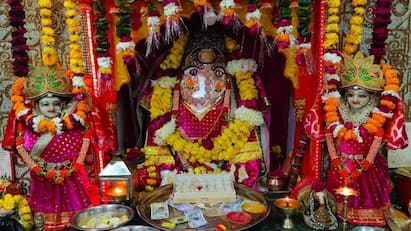
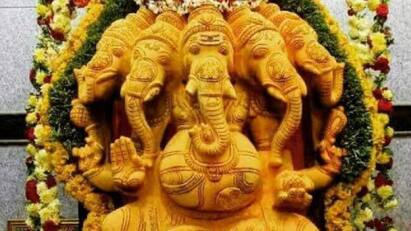
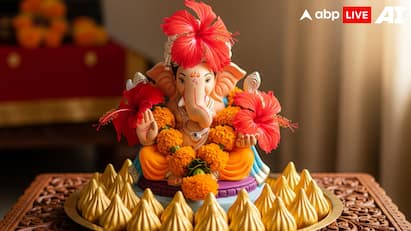
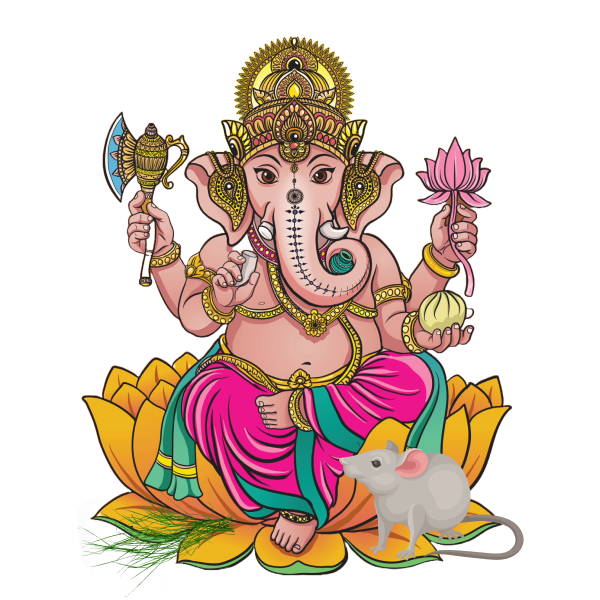
Lord Ganesha, known as the giver of wisdom and remover of obstacles, is also worshipped by names such as Gajanan and Lambodar. It is considered auspicious to offer prayers to Lord Ganesha before beginning any sacred or important task. This year, the festival of Ganesh Chaturthi will be celebrated on Wednesday, August 27. The festival falls on the Chaturthi tithi of the Shukla Paksha in the month of Bhadrapada and continues for ten days, concluding with Ganesh Visarjan on Anant Chaturdashi.
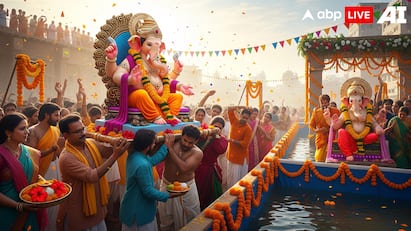
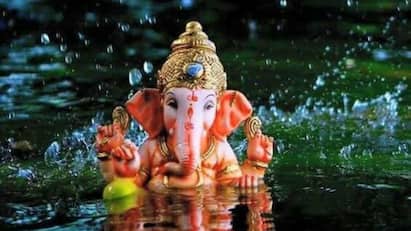
In Mumbai and across Maharashtra, the festival is observed with great pomp and devotion. Devotees take out processions with music, dance, and colours, immersing the idols of Ganesha in sacred rivers and lakes with deep reverence.
Ganesh Stapana and Worship Muhurat
According to mythology, Lord Ganesha was born at midday, which is why this period is regarded as the most auspicious for his worship. Performing the rituals of installation and prayer with devotion is believed to fulfil all wishes.
Moon Sighting on Ganesh Chaturthi
Mythological texts advise against looking at the moon on Ganesh Chaturthi, as it is believed to bring false accusations and dishonour. Based on the beginning and end of Chaturthi tithi, moon sighting is prohibited for two days. If one happens to see the moon inadvertently, reciting the following mantra is prescribed for relief:
सिंहः प्रसेनमवधीत्सिंहो जाम्बवता हतः।
सुकुमारक मारोदीस्तव ह्येष स्यमन्तकः॥
Ganesh Festival in Maharashtra and Mumbai (Lalbaugcha Raja)
Ganesh Chaturthi holds special prominence in Maharashtra, with its roots tracing back to the Maratha empire. In the 17th century, Chhatrapati Shivaji promoted its celebration to strengthen nationalism and unity. During the British era, Lokmanya Tilak transformed it into a mass movement to inspire people during the freedom struggle, thereby enhancing its religious, cultural, and social importance.
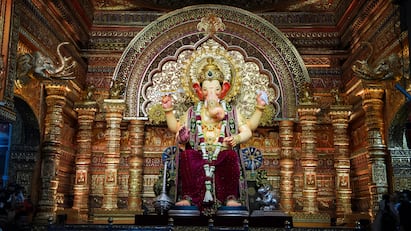
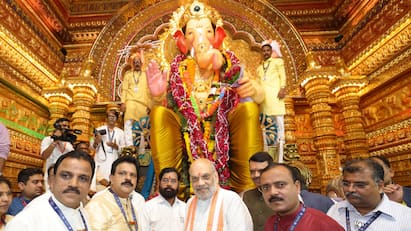
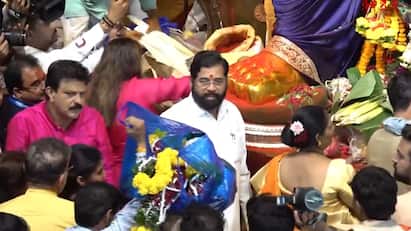
In Mumbai, Lord Ganesha is venerated as “Lalbaugcha Raja” (King of Lalbaug). During the festival, magnificent pavilions are set up, with the Lalbaugcha Raja being the most famous. A towering idol of Lord Ganesha is installed here every year—a tradition that has continued since 1934.