



Temples in Karnataka and Himachal Pradesh highlight Ravana's intense devotion to Lord Shiva. They focus on his spiritual dedication and his role in bringing sacred Shiva lingams, rather than his adversarial role in the Ramayana.
Explorer
Dussehra 2026: 6 Indian Temples Where Ravana Is Worshipped
Dussehra 2026: From Bisrakh in Uttar Pradesh to Ravangram in Madhya Pradesh, discover six Indian temples where Ravana is worshipped and his effigy is not burnt on Vijayadashami.

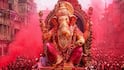
Ravana idol at a temple in India, where he is worshipped on Dussehra.
Source : Pinterest
- Karnataka, Himachal, Andhra temples highlight Ravana's Shiva devotion.
Dussehra, also known as Vijayadashami, is one of the most important Hindu festivals, celebrating the victory of good over evil. Rooted in the Ramayana, the festival marks Lord Rama’s victory over the ten-headed demon king Ravana. While burning Ravana’s effigy is a major tradition during Dussehra, several places in India follow different customs, with communities worshipping Ravana for his knowledge, devotion to Lord Shiva and mythological associations. In these regions, Ravana is not remembered only as Lord Rama’s adversary but also as a learned scholar and a devoted worshipper of Lord Shiva. Here are six temples and places in India where Ravana is revered and the tradition of burning his effigy is not followed.
1. Ravana Mandir, Bisrakh, Uttar Pradesh
Bisrakh village, near Greater Noida in Uttar Pradesh, is believed by local residents to be Ravana’s birthplace. The village’s name is associated with his father, Vishravas. Unlike many other parts of the country, residents here do not follow the tradition of burning Ravana’s effigy on Dussehra. Instead, the community performs a yajna and other religious rituals to honour Ravana, reflecting the local belief that he should be remembered as a revered figure rather than solely as a symbol of evil.
2. Ravana Mandir, Mandore, Rajasthan
Mandore, in Jodhpur, Rajasthan, is associated with Ravana through his marriage to Mandodari. According to local traditions, some Brahmin communities in the region regard Ravana as their son-in-law and honour him through religious rituals. The Dave Brahmins of the region are traditionally associated with Ravana, and the temple is linked to these beliefs. Instead of celebrating Dussehra by burning his effigy, some members of the community observe rituals such as shradh and pind daan in his memory.
3. Ramalingeshwara And Kailashapura Mahalingeshwara Temples, Karnataka
Karnataka has temples associated with Ravana’s devotion to Lord Shiva. The Kailashapura Mahalingeshwara Temple in Mandya is linked to local beliefs about Ravana and a sacred Shiva lingam. The Ramalingeshwara Temple in Kolar is also associated with stories of Ravana’s devotion to Shiva. According to local traditions, Ravana brought sacred Shiva lingams from Mount Kailash. These beliefs highlight a different aspect of Ravana’s character, focusing on his devotion to Lord Shiva rather than only his role in the Ramayana.
4. Baijnath Temple, Himachal Pradesh
Located in Kangra district, Himachal Pradesh, Baijnath Temple is dedicated to Lord Shiva and is associated with a legend involving Ravana. According to mythology, Ravana performed intense penance to please Lord Shiva and offered nine of his heads as sacrifices. Impressed by his devotion, Shiva blessed him and granted him a sacred Jyotirlinga, with the condition that it should not be placed on the ground during the journey. However, Ravana was tricked into placing the lingam on the ground, where it became permanently established. The temple is associated with this legend, and local traditions are linked to Ravana’s devotion to Lord Shiva. The region is known for not following the customary practice of burning his effigy on Dussehra.
ALSO READ | Happy Dussehra 2026 Wishes: Messages, Quotes And Greetings To Share With Loved Ones
5. Ravana Temple, Kakinada, Andhra Pradesh
The Ravana Temple in Kakinada, in Andhra Pradesh’s East Godavari district, is another site associated with the worship of Ravana. The temple features a large mural of a Shiva lingam, along with idols of Lord Shiva and depictions of Ravana. According to local beliefs, Ravana selected the site for constructing a temple dedicated to Lord Shiva. The temple reflects traditions that remember Ravana for his devotion to Shiva, offering a different perspective on the figure who is generally portrayed as Lord Rama’s adversary.
6. Ravana Temple, Ravangram, Madhya Pradesh
Ravangram village in Madhya Pradesh is known for its tradition of worshipping Ravana. According to local beliefs, Mandodari, Ravana’s wife, originally belonged to the village. Residents therefore consider Ravana their son-in-law and honour him through prayers and rituals. Devotees chant ‘Ravan Baba Namah’ as part of the local tradition. A temple dedicated to Ravana houses a reclining idol measuring around 10 feet in length. Rather than burning his effigy during Dussehra, the community follows its own religious customs, reflecting the distinctive cultural beliefs associated with Ravana in the region.
ALSO READ | Navami Havan 2026: Significance Of Coconut In Purnahuti And What To Do If It Is Unavailable
Why Is Ravana Worshipped In Some Parts Of India?
Dussehra is widely celebrated as the victory of good over evil, with Ravana’s effigy symbolising the defeat of wrongdoing. However, religious traditions and cultural interpretations vary across India. In some communities, Ravana is remembered for his scholarship, knowledge of religious texts and devotion to Lord Shiva. Local legends and associations with Mandodari also contribute to the traditions surrounding his worship. These temples and places demonstrate the diversity of Dussehra celebrations across the country, where regional beliefs shape how mythological figures are remembered and honoured.
[Disclaimer: The information provided here is based solely on beliefs and information. It's important to note that ABPLive.com does not endorse any beliefs or information. Consult a relevant expert before acting on any information or information.]
Frequently Asked Questions
What aspect of Ravana is highlighted in temples in Karnataka and Himachal Pradesh?

Advertisement
Top Headlines
Religion

Guru Nanak Jayanti: Guru Nanak Dev Ji's 3 Teachings On The Right Way To Earn Money
Religion

Tirupati Balaji: The Rare Once-A-Year Darshan Of Lord Ugra Srinivasa And The Belief Behind It
Religion

Dev Deepawali 2026: Kashi, Tirumala Gear Up For Grand Celebrations With 11 Lakh Diyas
Religion

Vaikuntha Chaturdashi 2026: Hari-Har Milan, Know The Significance Of Shiva And Vishnu's Divine Meeting


Advertisement



Advertisement