World Wildlife Conservation Day 2025: 7 Endangered Indian Species That Need Urgent Protection
Discover India’s most endangered wildlife this World Wildlife Conservation Day 2025, highlighting the urgent need to protect species on the brink of disappearing.

Every year on December 4, World Wildlife Conservation Day serves as a powerful reminder of the fragile balance that sustains life on our planet. In India, this message feels especially urgent. From the elusive snow leopard silently navigating the icy peaks to the majestic Bengal tiger camouflaged in dense forests, some of the country’s most iconic species stand on the edge of survival. As habitats shrink and human pressures rise, these animals symbolise both the beauty we are in danger of losing and the responsibility we share to protect them.
Here are some of India’s most endangered species, each fighting its own battle for survival.
ALSO READ: Roar And Explore: India’s Top Winter Wildlife Destinations For Tiger Sighting
Snow Leopard

Often called the 'ghost of the mountains,” the snow leopard survives in the remote, freezing landscapes of the Himalayas and other high-altitude ranges in Central and South Asia. Its numbers continue to decline due to habitat fragmentation, reduced prey availability, and frequent human-wildlife conflict. Poaching for fur and bones adds another layer of threat, leaving this captivating predator critically endangered.
Great Indian Bustard
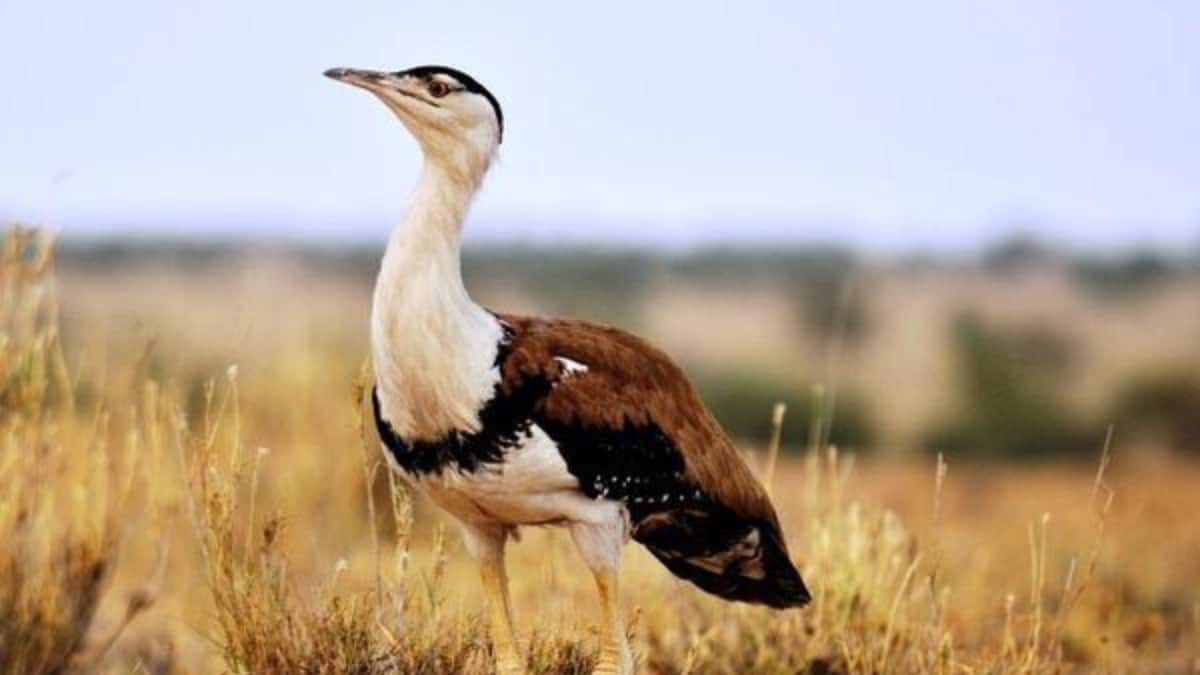
One of the heaviest flying birds known to humans, the great Indian bustard now teeters on the brink of extinction with fewer than 250 individuals left. Rapid loss of grassland habitats, power line collisions, and hunting in earlier decades have pushed this species into a crisis. Once widespread, it is now one of India’s most endangered birds, desperately relying on conservation programmes for survival.
Blackbuck
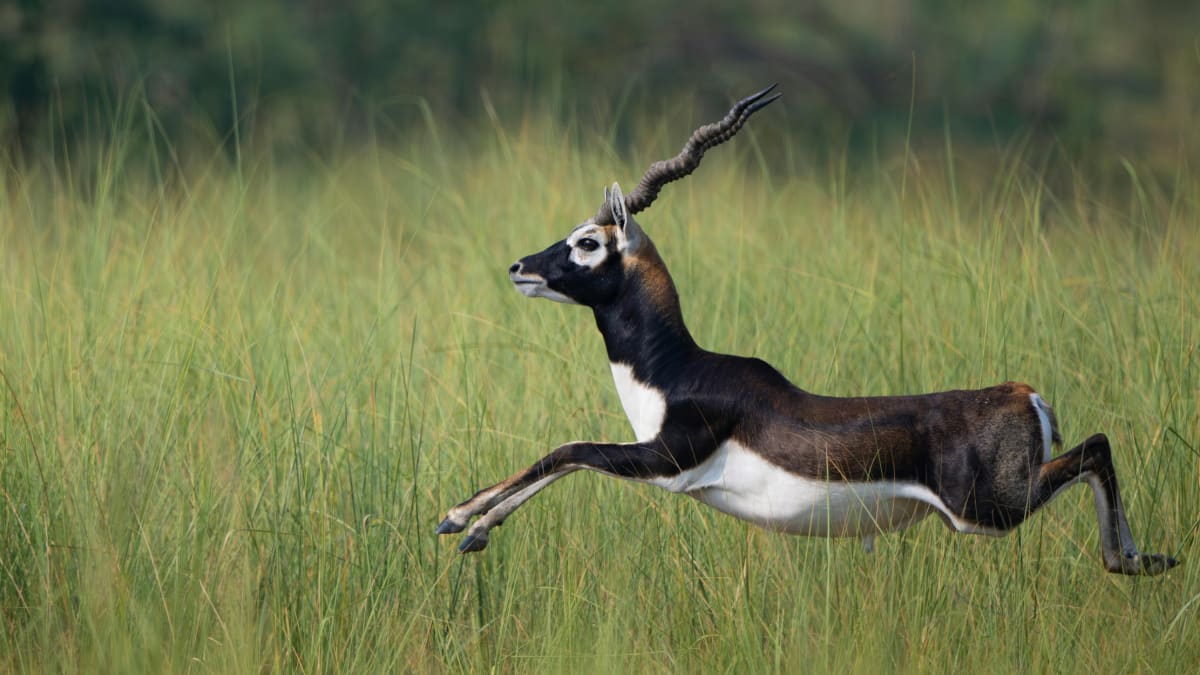
The elegant blackbuck once roamed Indian plains in large herds. Today, its population struggles due to poaching, urban expansion, and the degradation of open grasslands. Additional risks, from stray dogs to vehicular accidents and pesticide contamination, continue to hinder its recovery despite ongoing conservation efforts.
Lion-tailed Macaque

Endemic to the lush forests of the Western Ghats, the lion-tailed macaque is among the world’s most threatened primates. Its population, estimated at around 2,500, continues to decline due to deforestation, fragmentation of forest corridors, and human activities that disrupt its natural habitat.
Nilgiri Tahr
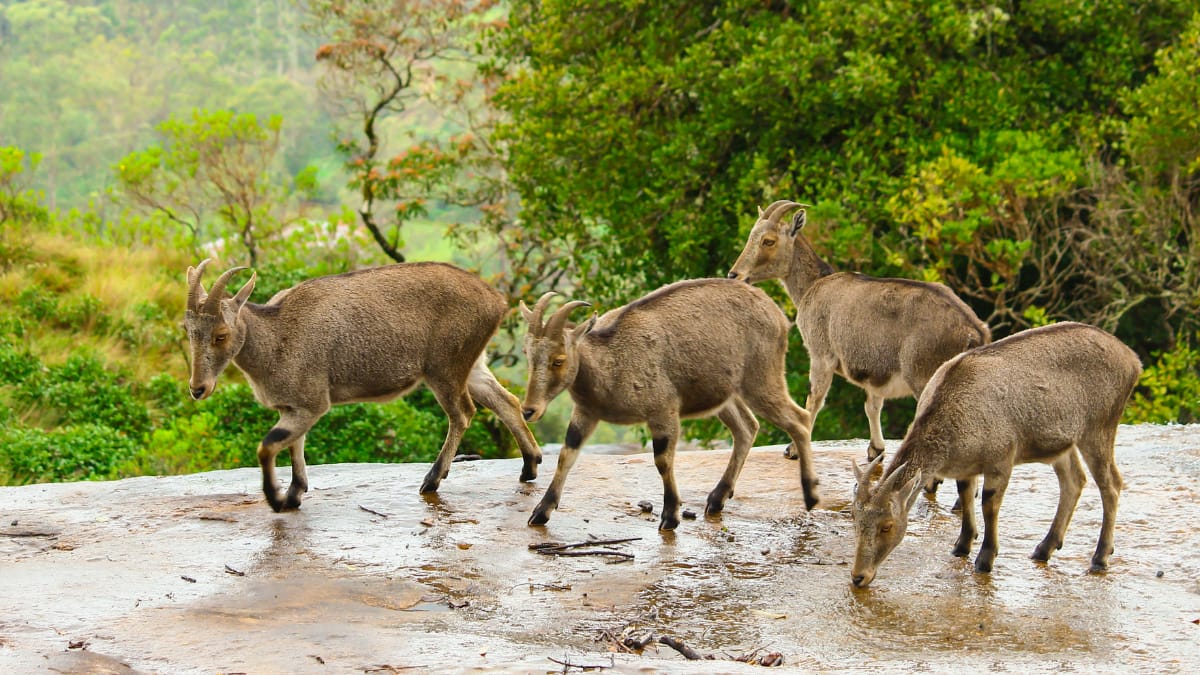
This mountain-dwelling wild goat thrives in the steep slopes of the Nilgiri Hills and Western Ghats. However, climate shifts, habitat degradation, and human encroachment have significantly reduced its numbers. Once abundant, the Nilgiri tahr now survives in fragmented pockets across the southern landscape.
Indian Bison (Gaur)
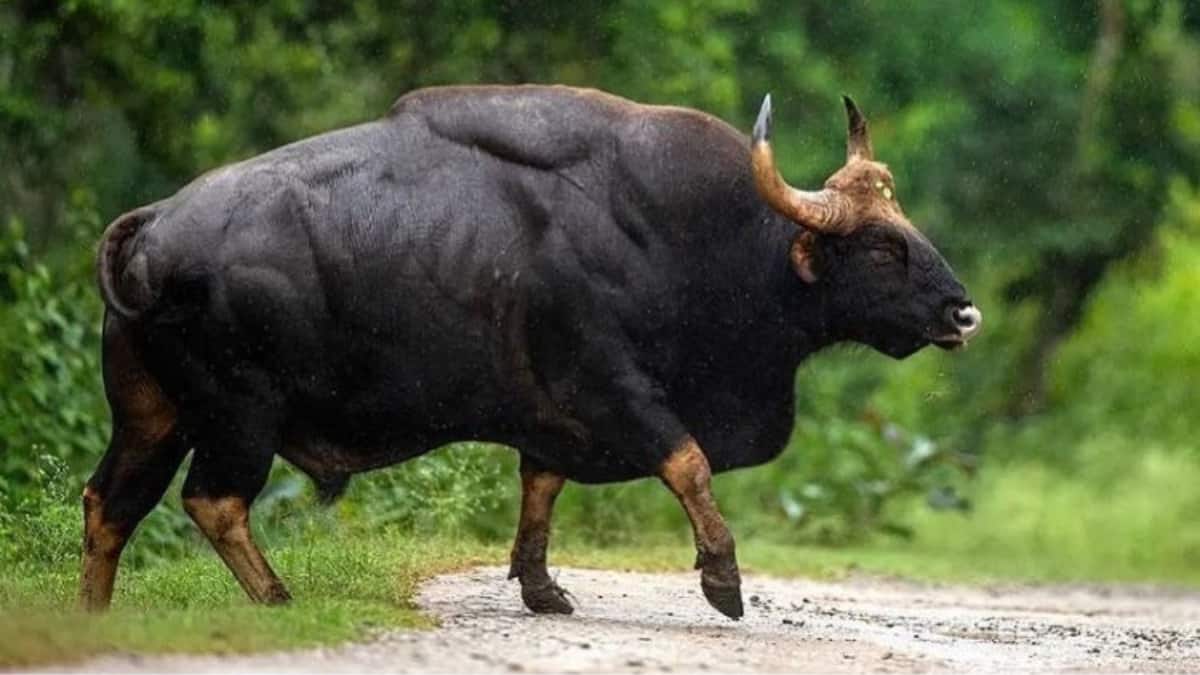
The Indian bison is the tallest and largest among wild cattle, known for its impressive build and imposing presence. Yet poaching, forest loss, and increasing competition for food have pushed its population into the vulnerable category. Protected under India’s Wildlife Protection Act, the species continues to face challenges in several regions.
Bengal Tiger
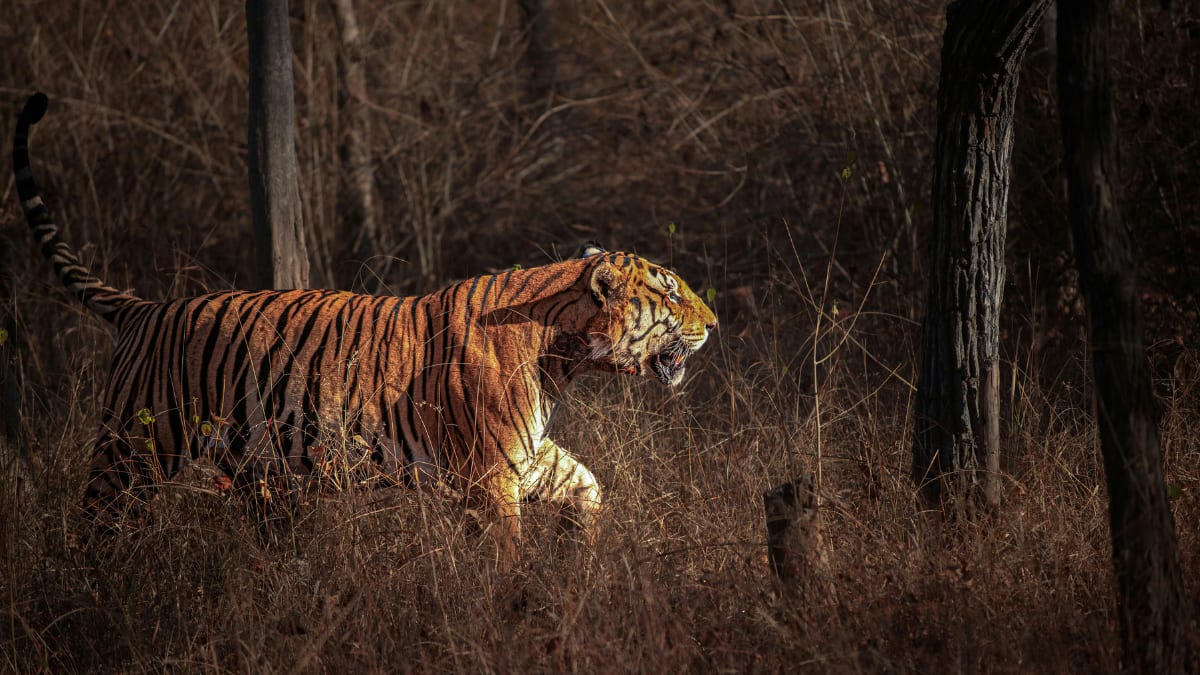
As the national animal of India, the Bengal tiger stands as a global symbol of wildlife conservation. Despite rigorous protection programmes, tigers remain threatened by habitat reduction, illegal hunting, and conflict with humans. Their declining numbers underscore the urgent need for sustainable coexistence strategies.

Top Headlines