Holika Dahan in 2026 will occur either on March 2nd or 3rd. The specific date depends on auspicious timings (muhurat) and planetary positions.
Explorer
Holika Dahan 2026: Is It On 2 Or 3 March? Know Exact Muhurat, Bhadra Kaal & Chandra Grahan Timings
Holika Dahan 2026 falls amid Bhadra Kaal and a lunar eclipse. Check whether to perform it on 2 or 3 March, along with exact muhurat, Sutak Kaal and grahan timings.

Holika Dahan 2026: Clear guidance on whether the ritual should be observed on 2 March or 3 March.
Source : ABPLIVE AI
- Holika Dahan 2026 faces date confusion due to Bhadra Kaal.
- Purnima Tithi on March 2 offers a brief, auspicious window.
- Lunar eclipse on March 3 restricts celebrations during Sutak.
- Devotion over evil is celebrated through Holika's burning.
Holika Dahan 2026: With Holi 2026 just around the corner, many devotees are unsure about the correct date for Holika Dahan. This year, the festival coincides with Bhadra Kaal and a total lunar eclipse, creating widespread confusion. Should Holika Dahan be performed on 2 March or 3 March? Here’s a clear, scripture-based explanation to guide you.
According to the Hindu calendar, Holika Dahan is observed on the Purnima Tithi of the Phalguna month, a day before the festival of colours. In 2026, Holi will be celebrated on 4 March, which means Holika Dahan will take place either on 2 or 3 March, depending on muhurat and planetary positions.
ALSO READ: Holi 2026 Date: March 3 Or 4? Know Correct Date, Holika Dahan Muhurat And Lunar Eclipse Impact
Purnima Tithi And Bhadra Kaal Muhurat
Phalguna Purnima begins at 5:56 PM on 2 March 2026 and ends at 5:07 PM on 3 March 2026. Since the Purnima prevails during Pradosh Kaal on 2 March (Monday), many traditional Panchangs consider this day appropriate for Holika Dahan.
However, Bhadra Kaal starts at 5:56 PM on 2 March and continues until 5:28 AM. Scriptures state that auspicious rituals such as Holika Dahan should ideally not be performed during Bhadra, especially when it resides in the earthly realm.
As per Dharmasindhu references, the most auspicious Pradosh muhurat on 2 March falls between 6:24 PM and 6:36 PM, giving devotees a narrow 12-minute window considered highly favourable.
Chandra Grahan 2026: What You Must Know
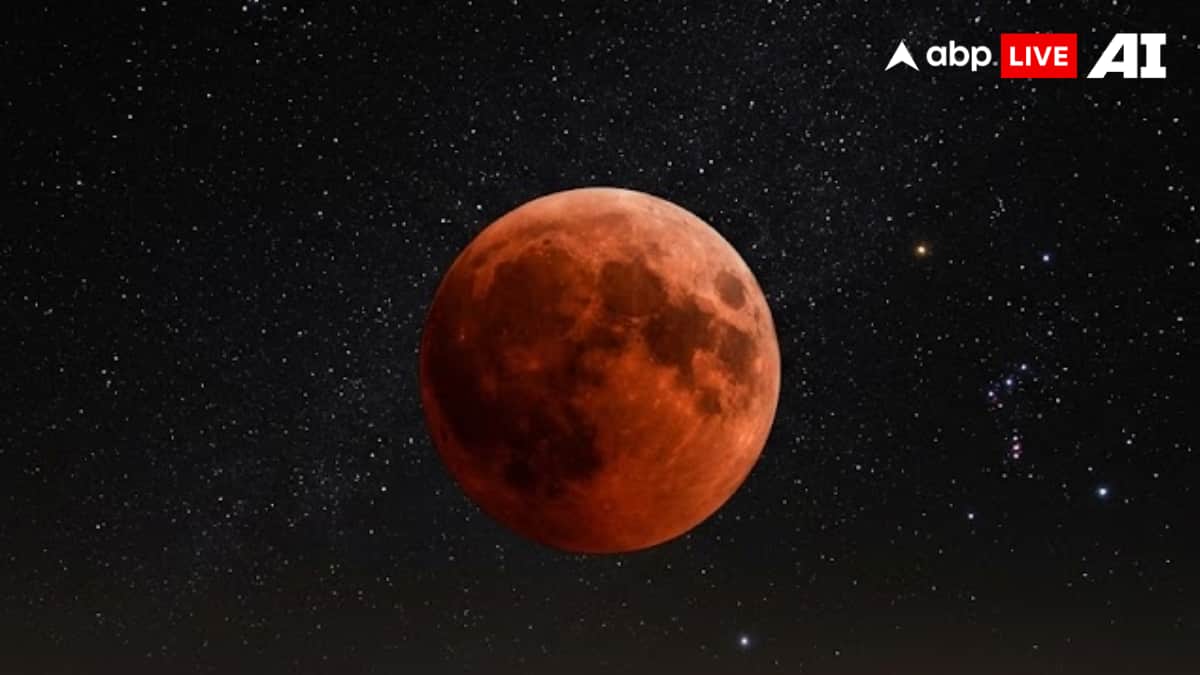
A total lunar eclipse (Chandra Grahan) will occur on 3 March 2026, beginning at 3:20 PM and ending at 6:47 PM IST. The Sutak Kaal will commence at 6:20 AM on 3 March.
The eclipse will be visible across India after sunset, weather permitting. Cities including Delhi, Mumbai, Chennai and Kolkata are expected to witness it.
Due to the eclipse and Sutak restrictions, fire rituals are avoided during eclipse hours. Therefore, Holika Dahan should ideally be completed before Sutak begins or after the eclipse concludes within the permissible muhurat.
Some traditions prefer performing Holika Dahan on 3 March after 6:47 PM, once the eclipse ends and within the muhurat window extending up to 8:50 PM. Others follow stricter interpretations and conduct it on 2 March during Pradosh.
Consulting a local priest remains advisable for region-specific observances.
Holika Dahan Puja Vidhi
Preparations begin days in advance, with wood and sacred materials collected at the designated site. During the auspicious muhurat, devotees perform ritual worship before lighting the bonfire. Circumambulation (parikrama) follows, and offerings are made into the sacred fire.
Mythological Significance Of Holika Dahan
The festival commemorates the triumph of devotion over evil. The legend centres on devotee Prahlad and his tyrant father Hiranyakashipu. Despite repeated attempts to harm Prahlad for his unwavering devotion to Lord Vishnu, divine protection prevailed.
Holika, granted immunity from fire, attempted to burn Prahlad by sitting with him in flames. Yet, her boon failed due to misuse, and she perished while Prahlad remained unharmed. This victory of faith is symbolised through the Holika bonfire each year.
Dos And Don’ts During Sutak Kaal
What To Do:
- Chant mantras and meditate
- Cover cooked food with Tulsi leaves
- Offer charity after the eclipse ends
What To Avoid:
- Eating during Sutak (except children, elderly, unwell individuals)
- Temple visits or Holika Puja during eclipse hours
- Pregnant women stepping outdoors
- Using sharp objects
Final Verdict: 2 Or 3 March?
Based on traditional calculations, 2 March 2026 during Pradosh Kaal (6:24 PM to 6:36 PM) is considered highly auspicious, though limited to just 12 minutes. Alternatively, 3 March after the eclipse ends at 6:47 PM may also be observed in some traditions.
The key is to follow scriptural guidance and regional customs carefully.
[Disclaimer: The content of this article is based solely on beliefs, and should be taken as general guidance. Individual experiences may vary. ABPLive.com does not assert the accuracy or validity of any claims or information presented. It is strongly recommended to consult a qualified expert before considering or implementing any information or belief discussed herein.]
Frequently Asked Questions
When is Holika Dahan in 2026?
Why is there confusion about the date for Holika Dahan in 2026?
Confusion arises due to the overlap with Bhadra Kaal on March 2nd and a total lunar eclipse on March 3rd. Scriptures advise against performing auspicious rituals during Bhadra.
What is the most auspicious time for Holika Dahan in 2026?
The most auspicious window for Holika Dahan on March 2nd is a narrow 12-minute period between 6:24 PM and 6:36 PM during Pradosh Kaal.
When is the lunar eclipse in 2026 and how does it affect Holika Dahan?
A total lunar eclipse occurs on March 3rd, 2026, from 3:20 PM to 6:47 PM IST, with Sutak Kaal starting at 6:20 AM. Fire rituals are avoided during Sutak and eclipse hours.
What is the significance of Holika Dahan?
Holika Dahan commemorates the victory of devotion over evil, symbolized by the legend of Prahlad and Holika. It celebrates faith and divine protection.

Top Headlines
Religion

Sawan 2026 Start Date: When Does The Holy Month Begin? Know Dates Of All Four Mondays
Religion

Saturn Turns Retrograde In July, These 3 Zodiac Signs Could See Major Financial Gains
Religion

Ramayana: 7 Powerful Life Lessons From King Dasharatha That Can Transform Your Life
Religion

Astro Analysis | Today's Panchang, July 6, 2026: Vish Yoga On Monday; Check Puja Timings, Shubh Muhurat And More










See Today's Weather 
powered by