After Supreme Court Rap, SBI Submits Details Of Electoral Bonds To Election Commission
The SBI submitted to the EC the details of the parities that had bought electoral bonds and those who got them, as it complied with the SC order to furnish information.
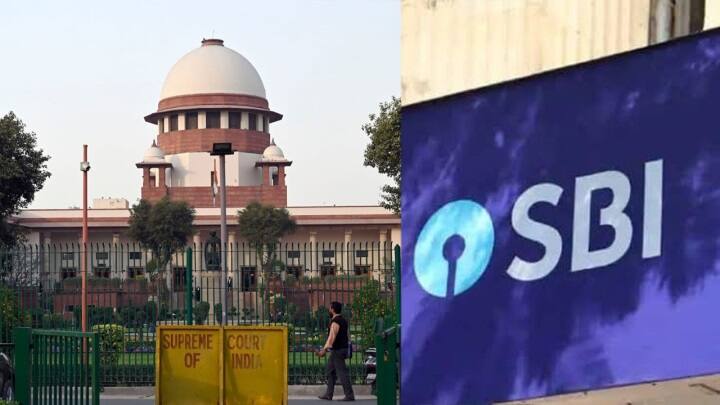
The State Bank of India (SBI) on Tuesday evening submitted to the Election Commission the details of the parities that had bought now-scrapped electoral bonds and those who got them, as it complied with the Supreme Court order to furnish information.
On Monday, the apex court ordered the SBI to disclose the details of electoral bonds to the Election Commission by close of business hours on March 12. According to the order, the EC will have to publish the details shared by the bank on its official website by 5 pm on March 15.
"In compliance of the Hon'ble Supreme Court's directions to the SBI, contained in its order dated Feb 15 & March 11, 2024 (in the matter of WPC NO.880 of 2017), data on electoral bonds has been supplied by the State Bank of India to the Election Commission of India, today, March 12, 2024," Election Commission said in a post on X.
In compliance of Hon’ble Supreme Court's directions to the SBI, contained in its order dated Feb 15 & March 11, 2024 (in the matter of WPC NO.880 of 2017), data on electoral bonds has been supplied by State Bank of India to Election Commission of India, today, March 12, 2024.
— Spokesperson ECI (@SpokespersonECI) March 12, 2024
The SBI has complied with the orders of the apex court and submitted the details of the electoral bonds to the Election Commission. The SBI has issued electoral bonds worth Rs 16,518 crore in 30 tranches since the inception of the scheme in 2018. The apex poll body will now have to publish the data on its website by March 15.
What Supreme Court Said ?
Since the inception of the scheme in 2018, SBI issued electoral bonds totalling Rs 16,518 crore over 30 tranches.
However, in a significant decision on February 15, the Supreme Court invalidated the Centre's electoral bonds scheme, deeming anonymous political funding "unconstitutional". The court mandated the disclosure of donors, donated amounts, and recipients by the Election Commission.
SBI had initially requested until June 30 for disclosure. Nonetheless, the apex court dismissed this plea and directed the bank to furnish all details to the Election Commission by the close of business hours on Tuesday.
What Is The Electoral Bonds Case?
Electoral bonds served as interest-free financial instruments obtainable by both companies and individuals in India, procurable at various denominations from branches of the State Bank of India (SBI). Characterised by anonymity, these bonds facilitated donations to political parties without disclosing the donor's identity or details on the bond itself.
Available in multiples of Rs 1,000, Rs 10,000, Rs 1 lakh, Rs 10 lakh, and Rs 1 crore, electoral bonds necessitated the purchaser to hold a KYC-compliant account. There were no restrictions on the quantity of bonds an entity could acquire.
Enacted through amendments introduced via the Finance Act of 2016 and 2017, the electoral bond scheme altered four key Acts: the Representation of the People Act, 1951 (RPA), the Companies Act, 2013, the Income Tax Act, 1961, and the Foreign Contributions Regulation Act, 2010 (FCRA).
Prior to the implementation of this scheme, political parties were obliged to declare all donations exceeding Rs 20,000. Moreover, limitations were imposed on corporate donations, restricting them to 7.5% of total profits or 10% of revenue.
Political parties meeting the criteria of securing at least 1% of votes in Lok Sabha or assembly elections, and registered under the Representation of the People Act, were eligible to obtain an ECI-verified account to receive bond amounts. Funds from these bonds were deposited into this account within 15 days of purchase.
Failure to encash the bonds within the specified timeframe resulted in the donation being redirected to the Prime Minister's Relief Fund. Electoral bonds were available for purchase during 10-day periods in January, April, July, and October, and extended to 30 days during Lok Sabha election years.
Introduced as an alternative to cash donations to political parties, electoral bonds aimed to bring in transparency in political funding. The inaugural sale of electoral bonds was carried out in March 2018. Redemption of electoral bonds was exclusively designated to eligible political parties via an authorised bank account, with the State Bank of India being the sole authorised issuer of these bonds.
Top Headlines