Planning To Visit Taj Mahal? Get Free Entry On These Dates
ASI officials said that during the designated free-entry hours, all ticket counters at the Taj Mahal will remain closed. Visitors will not be required to purchase tickets either online or offline.
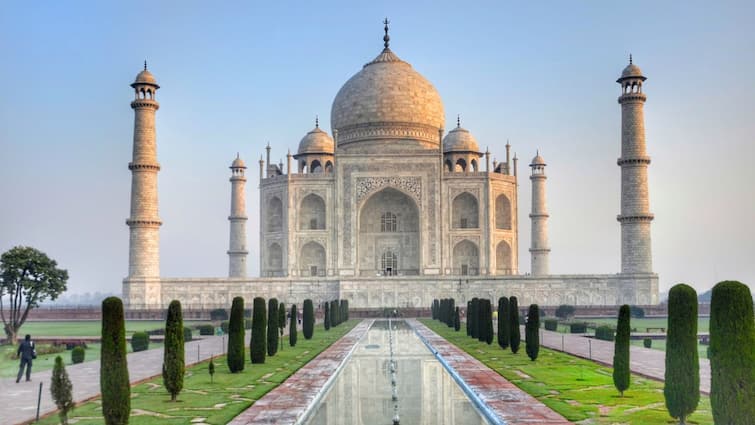
If you are planning a visit to the Taj Mahal in Agra, there is good news. On the occasion of the three-day annual Urs of Mughal emperor Shah Jahan, the Archaeological Survey of India (ASI) has announced free entry to the Taj Mahal.
As per the decision, tourists will be able to visit the monument without purchasing tickets on January 15, 16 and 17, during specified hours. The ASI has also issued an official order in this regard.
Taj Mahal Free Entry Timings
According to the ASI order, free entry timings will vary across the three days. On January 15 (Thursday) and January 16 (Friday), visitors will be allowed free entry from 2 pm until sunset. On January 17 (Saturday), entry will be free from sunrise to sunset, allowing visitors access throughout the day.
ASI officials said that during the designated free-entry hours, all ticket counters at the Taj Mahal will remain closed. Visitors will not be required to purchase tickets either online or offline and will be allowed direct entry. Considering the expected surge in footfall, the ASI and local police have made extensive security and crowd-management arrangements.
Boost for tourism
Every year, the Urs of Shah Jahan draws a large number of devotees and tourists from India and abroad to Agra. Traditional rituals are performed during the event, including the ceremonial laying of a multi-coloured chadar on the main mausoleum. Officials said free entry during this period is expected to ease access for visitors and benefit local tourism-related businesses such as hotels, guides and transport services.
Symbol of eternal love
The Taj Mahal was built by Shah Jahan in memory of his wife Mumtaz Mahal, with construction beginning in 1632. Over the centuries, the monument has come to symbolise love, beauty and Mughal architectural excellence. Today, it is also recognised as a UNESCO World Heritage Site.

Top Headlines