Explorer

15 Nebulae Pictures From NASA That Will Leave You Starstruck

From glowing star nurseries to ghostly stellar remnants — check out 15 mesmerizing Nebulae photos captured by NASA, showing the birth, life, and death of stars across our universe.
From glowing star nurseries to ghostly stellar remnants — check out 15 mesmerizing Nebulae photos captured by NASA, showing the birth, life, and death of stars across our universe.

These stunning NASA images reveal the beauty of space’s most iconic nebulae. From star nurseries to stellar remains, each one captures the drama of the cosmos.

1/15
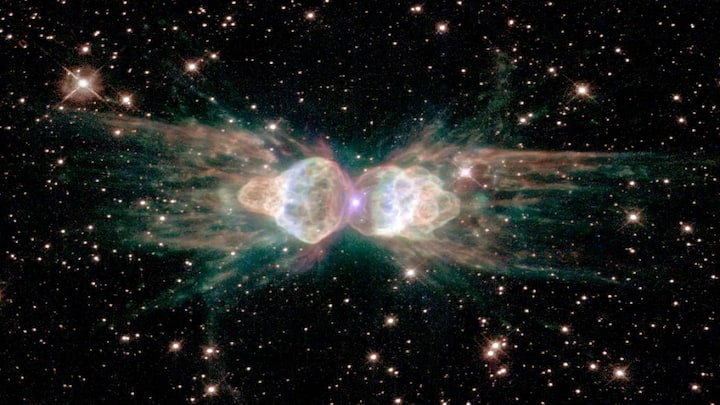
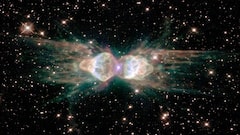
The Ant Nebula gets its name from twin lobes of gas that look like an insect’s body. It’s actually a planetary nebula—created by a dying Sun-like star. Captured by Hubble, its symmetry is likely caused by tightly bound stars or magnetic fields.
2/15
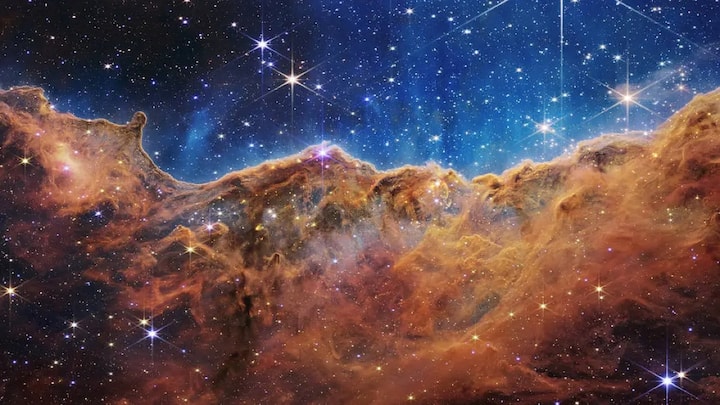
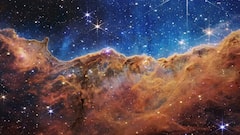
this carina nebula is one of the largest known star-forming regions in the Milky Way, located ~7,500 light-years away. Home to massive stars like Eta Carinae, it features towers of gas and dust. NASA’s JWST revealed baby stars hidden in the nebula's clouds.
3/15
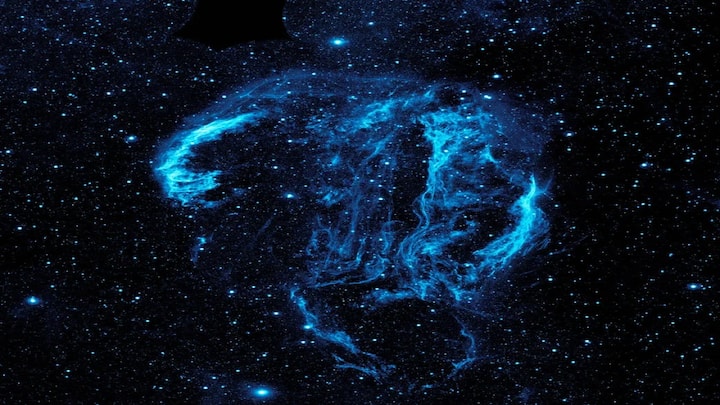
A 20,000-year-old supernova remnant roughly 2,400 light-years from Earth. The Cygnus Loop spans 120 light-years and glows in delicate, thread-like arcs. NASA's telescopes reveal it in ultraviolet and optical light.
4/15
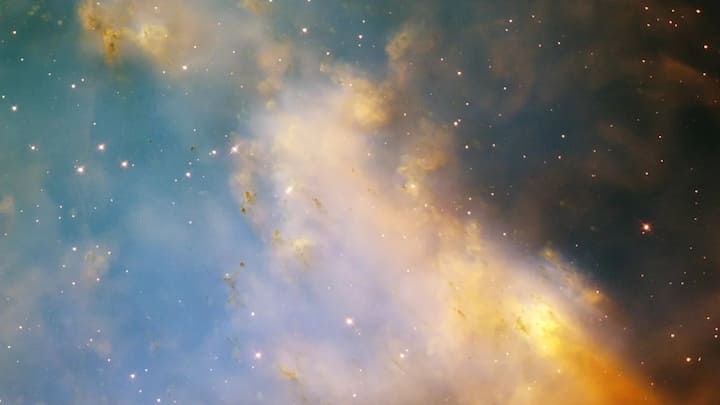
Dumbbell Nebula is the first planetary nebula ever discovered, located ~1,200 light-years away in the Vulpecula constellation. The Dumbbell shape comes from two expanding lobes of gas ejected by a dying star at its center.
5/15
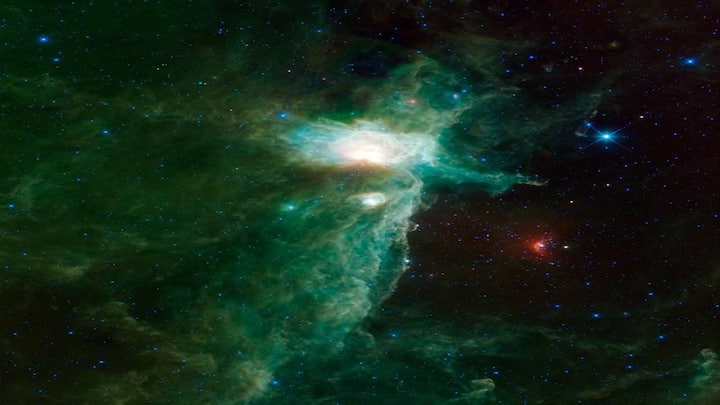
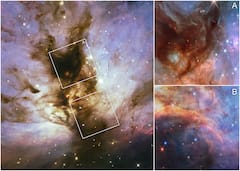
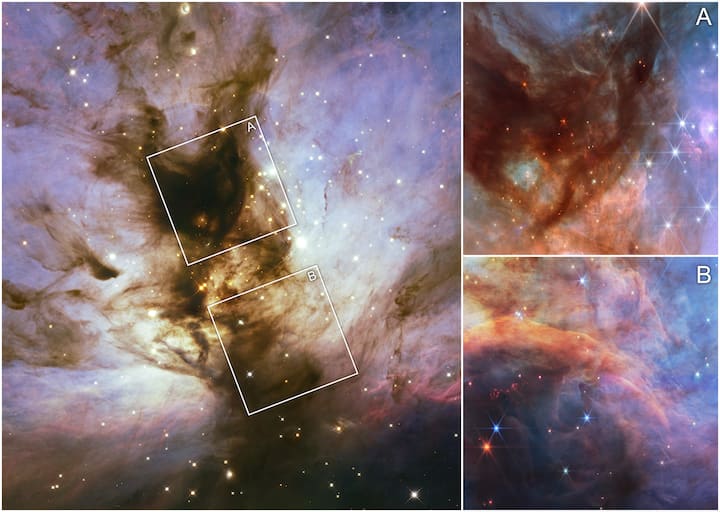
Lying near Orion’s Belt, this glowing cloud is lit by ultraviolet radiation from nearby stars. About 1,400 light-years from Earth, the Flame Nebula is active with star formation and surrounded by dark dust lanes that resemble a fiery blaze.
6/15
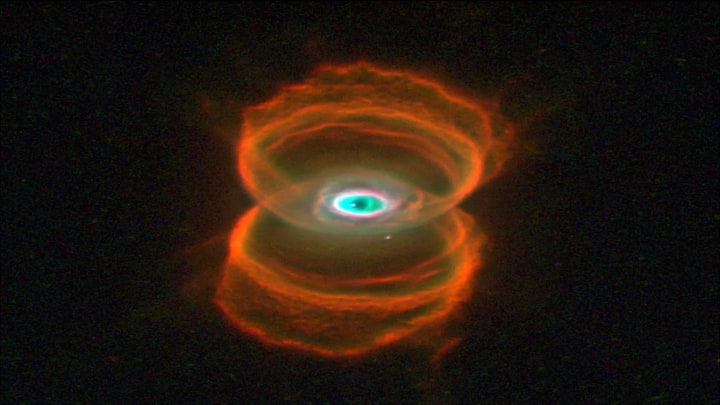
The Hourglass Nebula is a young planetary nebula about 8,000 light-years away in the Musca constellation. Captured by Hubble, its striking hourglass shape is formed by high-speed stellar winds shaping previously ejected gas.
7/15
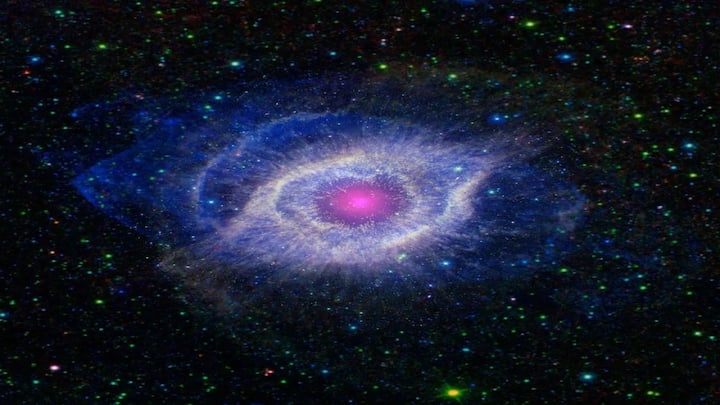
The Lion Nebula lies about 10,000 light-years away near the border of Cepheus and Lacerta. Named for its roaring lion-like appearance, this emission nebula glows red due to hydrogen gas energized by nearby massive stars.
8/15
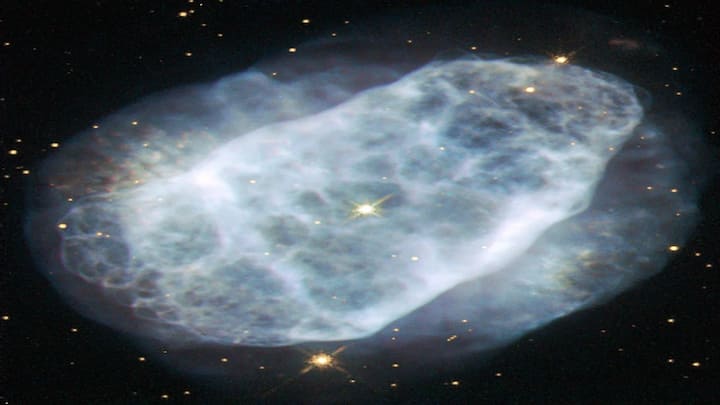
NGC 6153 is a faint planetary nebula in the Scorpius constellation, around 4,000 light-years from Earth. It is known for containing unusually hot ionized gas, offering astronomers clues about the thermal structure of dying stars.
9/15
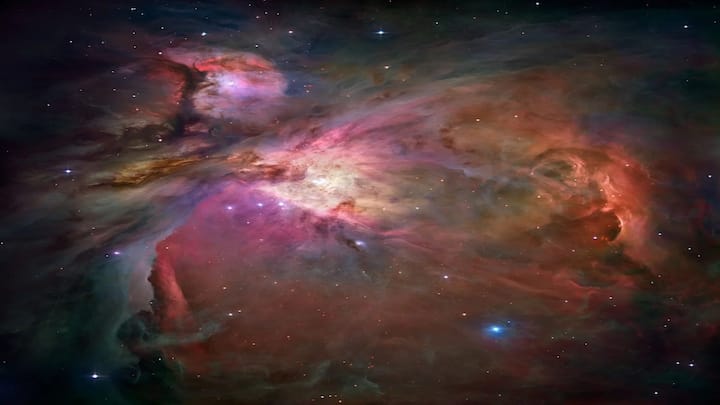
The Orion Nebula is one of the brightest and closest star-forming regions, just 1,350 light-years away. It contains young stars, glowing gas, and dusty disks where planets may be forming, making it a key target for both Hubble and JWST.
10/15
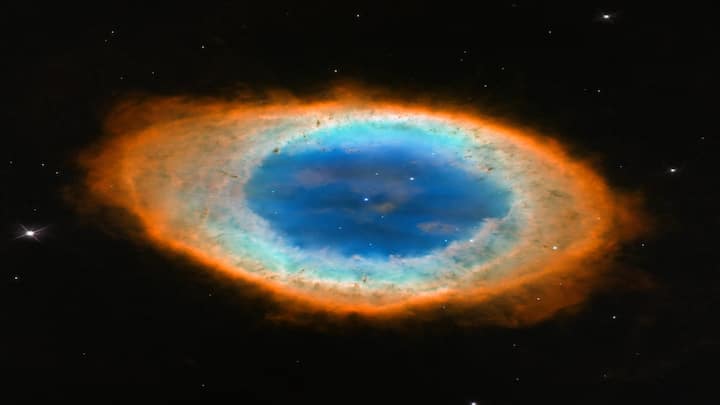
Located about 2,500 light-years away in the Lyra constellation, the Ring Nebula is a glowing shell of gas ejected by a dying star. Though it looks like a perfect ring, recent JWST images reveal a more complex three-dimensional structure.
11/15
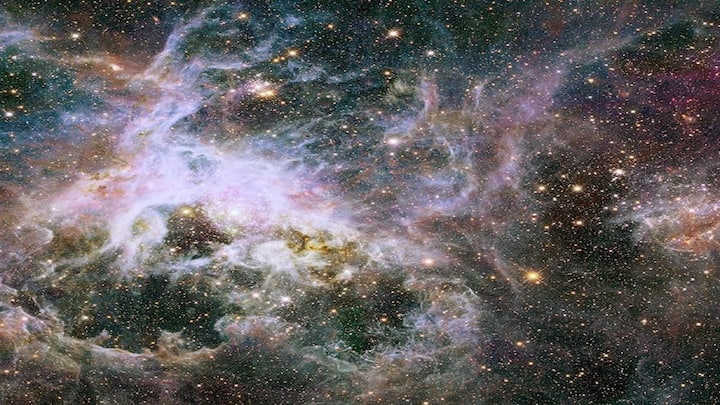
The Running Chicken Nebula, located about 6,500 light-years away in the Centaurus constellation, gets its name from its bird-like shape. It’s a bright emission nebula where new stars are forming, surrounded by dark clouds known as Bok globules.
12/15
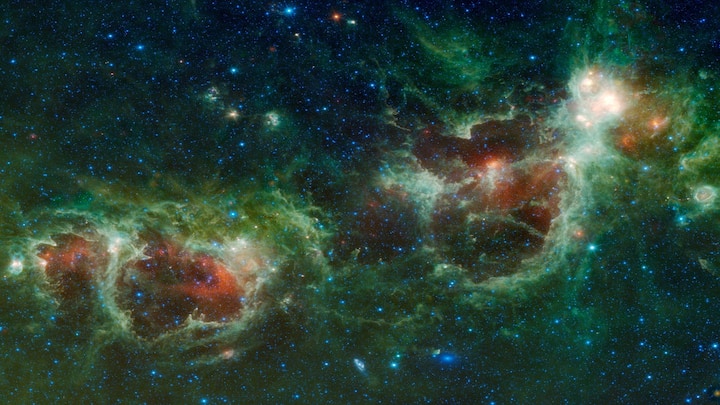
Also called the Soul Nebula, Westerhout 5 is a vast star-forming region about 7,500 light-years away in the constellation Cassiopeia. It glows with ionized hydrogen gas and is often seen alongside the neighboring Heart Nebula.
13/15
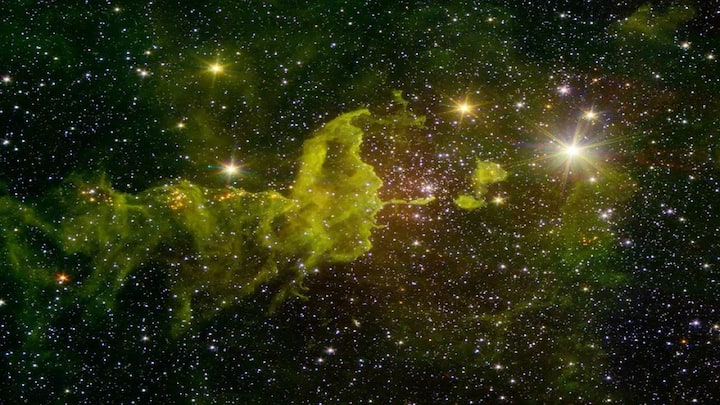
The Spider Nebula, officially known as IC 417, lies about 10,000 light-years away in the Auriga constellation. It's an active stellar nursery, where newborn stars illuminate the surrounding dust and gas with energetic ultraviolet radiation.
14/15
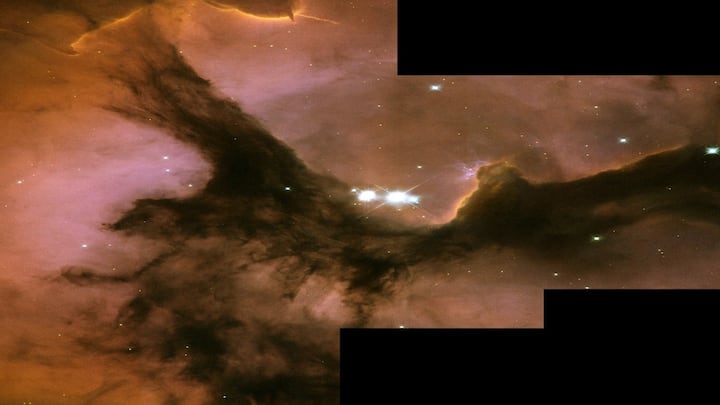
The Trifid Nebula, about 5,200 light-years away in the Sagittarius constellation, is famous for its three dark dust lanes that divide its glowing pink core. It’s a rare combination of an emission, reflection, and dark nebula all in one.
15/15
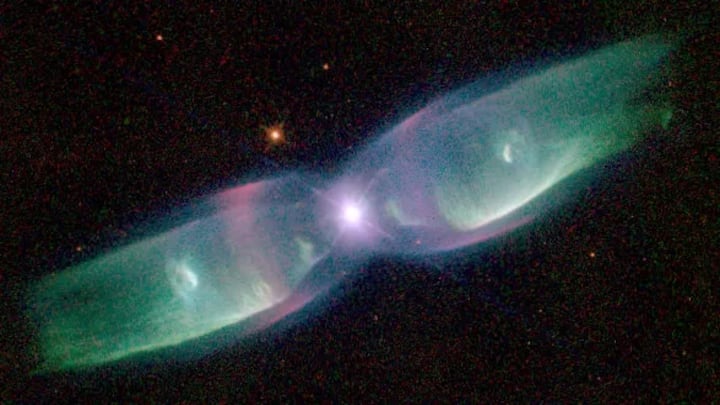
The Twin Jet Nebula, or PN M2-9, lies about 2,100 light-years away in the constellation Ophiuchus. It features two symmetric jets of gas shooting out from a dying star, shaped by a companion star in a binary system—creating a cosmic butterfly effect.

Photo Gallery

View More
Sponsored Links by Taboola
Advertisement
Advertisement
25°C
New Delhi
Rain: 100mm
Humidity: 97%
Wind: WNW 47km/h
See Today's Weather
powered by
Accu Weather
Advertisement

Top Headlines

Congress Leader Shares AI-Generated Video Showing PM Modi As ‘Chaiwala’, Sparks Row
Russia Ratifies Key Military Logistics Pact With India Ahead Of Putin’s Visit
We Combed Through Govt's Mandatory 'Sanchar Saathi' App. Here's Which Permissions It WILL Ask You
We Combed Through Govt's Sanchar Saathi App. Here's Which Permission It WILL Ask You
‘Imran Is Being Mentally Tortured,’ Claims Sister After Visiting Him In Adiala Jail
Advertisement
ABP Premium

Videos

Breaking: Maulana Mahmood Madani Sparks New Row With Call to Teach ‘Jihad’ in Schools
Winter Parliamentary Session: Opposition Stages Protest Outside Parliament Over Labor Code Bill
Uttar Pradesh News: Constable Attacked by Locals While Resolving Dispute
Breaking: Pakistan on Edge as Imran Khan Accuses Gen. Munir of Abuse, Isolation and Political Vendetta
Breaking: BJP Leads but Congress Makes Comeback as Early Results Shift Dynamics in Delhi MCD By-Polls

Photo Gallery

Embed widget