Chhath Puja in 2026, specifically Chaiti Chhath, will be observed from March 22nd to March 25th. This four-day festival is dedicated to Lord Surya and Chhathi Maiya.
Explorer
Chaiti Chhath 2026: Date, Rituals And Full Four-Day Puja Calendar From Nahay Khay To Usha Arghya
Chaiti Chhath 2026 begins on March 22. Check the full four-day Chhath Puja calendar from Nahay Khay and Kharna to Sandhya Arghya and Usha Arghya.

Chaiti Chhath 2026 will be observed from March 22 to March 25, beginning with Nahay Khay and concluding with the sacred Usha Arghya offered to the rising sun.
Source : ABPLIVE AI
- Chaiti Chhath 2026: Festival begins March 22, concludes March 25.
- Day 1: Nahay Khay involves ritual bath and satvik meal.
- Day 2: Kharna starts 36-hour fast after specific prasad consumption.
- Days 3 & 4: Devotees offer prayers to setting and rising sun.
Chhath Puja 2026: Chhath Puja is one of the most revered festivals dedicated to the worship of Lord Surya (the Sun God) and Chhathi Maiya. Known for its deep spiritual discipline and devotion, it is widely considered one of the most rigorous Hindu fasts. Devotees observe a 36-hour strict nirjala fast (without food or water) while offering prayers for prosperity, health and family wellbeing.
While Chhath Puja is most famously celebrated in the Kartika month after Diwali, it is also observed in the Chaitra month, known as Chaiti Chhath. In 2026, the festival will begin on 22 March and continue for four days, concluding with the sacred Usha Arghya offered to the rising sun. Each day of the festival holds deep religious significance and follows a structured sequence of rituals.
Here is the complete four-day Chaiti Chhath 2026 calendar and the meaning behind each ritual.
Chaiti Chhath 2026 Date And Festival Duration
According to the Hindu Panchang, Chaiti Chhath begins on the Chaturthi Tithi of the Shukla Paksha in the Chaitra month and continues until Saptami.
In 2026, the festival will be observed from 22 March to 25 March. During these four days, devotees perform sacred rituals, maintain strict purity, and offer prayers to the Sun God while expressing gratitude for life, health and nature’s abundance.
The festival unfolds through four important stages: Nahay Khay, Kharna, Sandhya Arghya and Usha Arghya.
Day 1: Nahay Khay - The Sacred Beginning (22 March 2026)
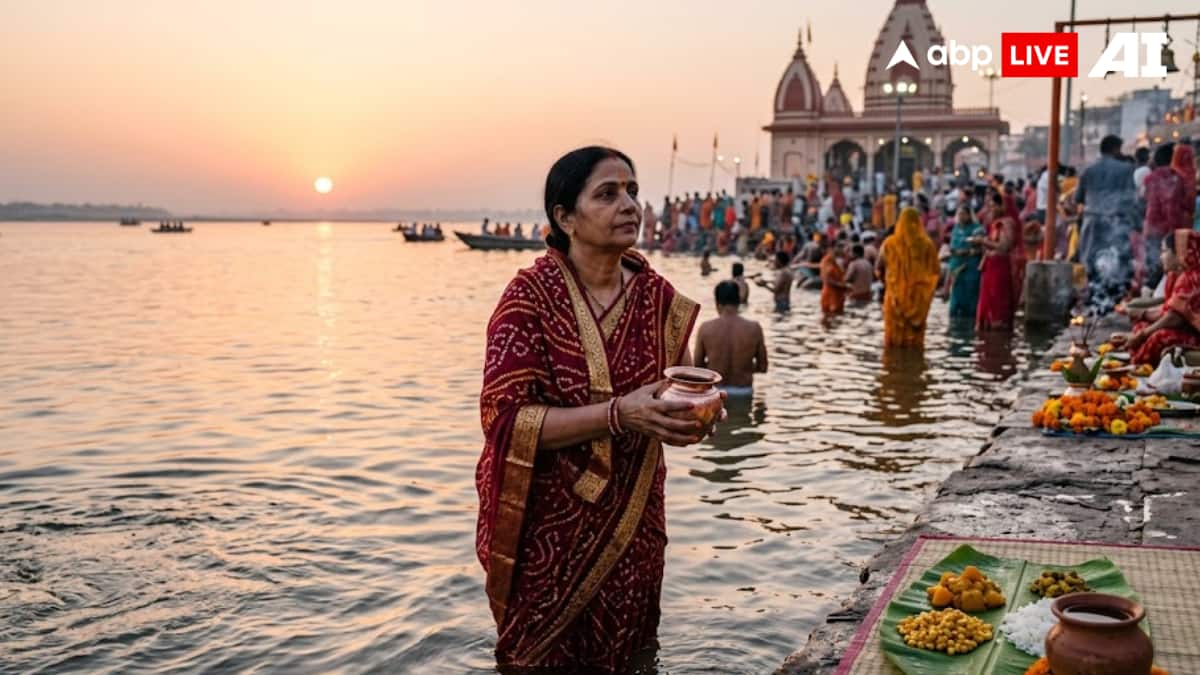
The first day of Chaiti Chhath is known as Nahay Khay, marking the spiritual beginning of the festival. On this day, devotees begin preparations by cleansing their homes and kitchens to maintain ritual purity.
The fasting devotee takes a holy bath in a river, pond or any sacred water body, symbolising physical and spiritual purification. After the ritual bath, a simple satvik meal is prepared and consumed.
Traditionally, the meal includes pumpkin (kaddu), chana dal and plain rice, commonly referred to as kaddu-bhaat. This meal is believed to purify the body and prepare devotees mentally and physically for the upcoming days of fasting and devotion.
Day 2: Kharna - Beginning Of The 36-Hour Fast (23 March 2026)
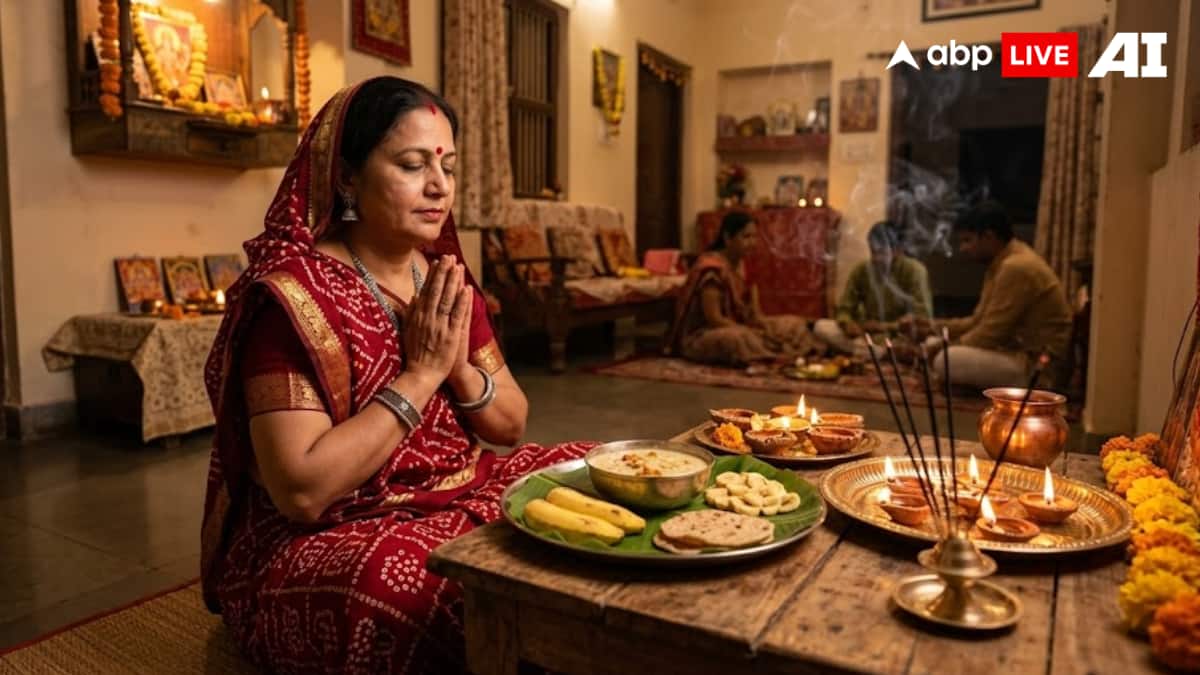
The second day of Chaiti Chhath is called Kharna, also known as Lohanda in some regions. On this day, devotees observe a day-long fast and perform a special evening prayer after sunset.
Following the ritual worship, the fast is broken by consuming prasad prepared from jaggery kheer, bananas and roti or puri. This sacred offering is then shared with family members and neighbours.
After completing the Kharna ritual, devotees begin the 36-hour nirjala fast, during which they abstain from both food and water until the final day of the festival.
Day 3: Sandhya Arghya - Offering Prayers To The Setting Sun (24 March 2026)
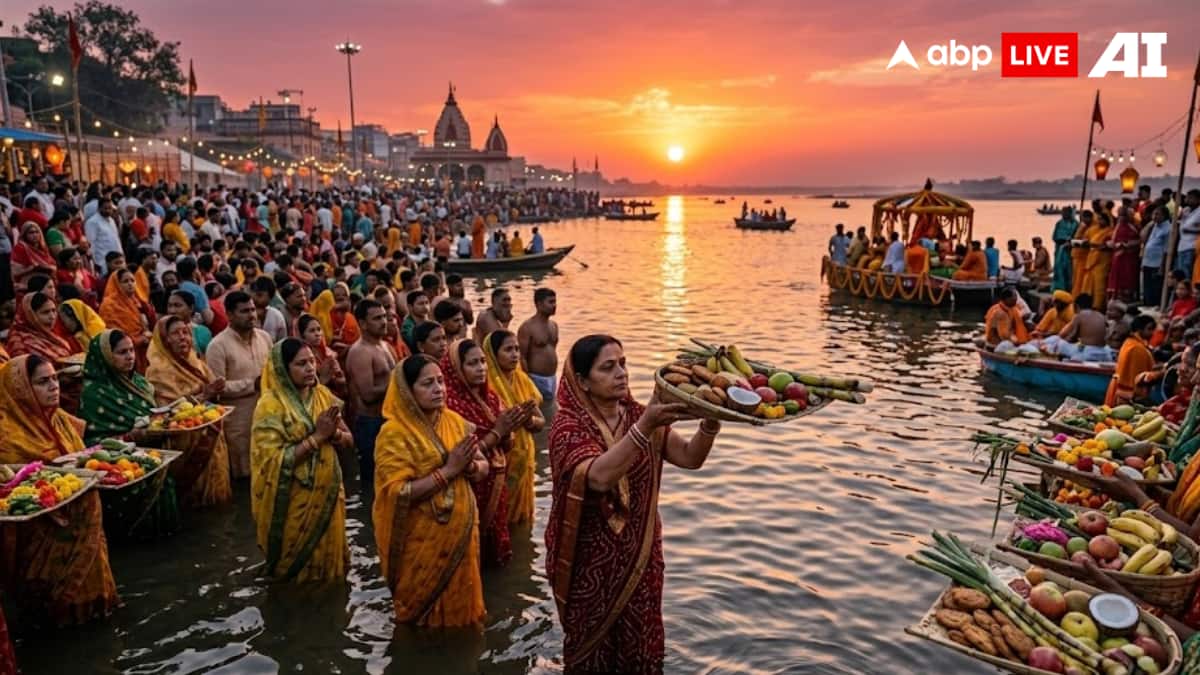
The third day of the festival is one of the most visually striking rituals of Chhath Puja. On this day, devotees gather at riverbanks, ponds or lakes to offer Sandhya Arghya to the setting sun.
Standing in water, devotees offer milk and water to the Sun God while chanting prayers and expressing gratitude for life and prosperity.
Special offerings are arranged in bamboo baskets and traditional soops, including thekua, seasonal fruits, sugarcane, coconut and other sacred prasad items. Families gather at the ghats, creating a deeply spiritual and communal atmosphere filled with devotion, songs and prayers.
Day 4: Usha Arghya - The Final Offering To The Rising Sun (25 March 2026)
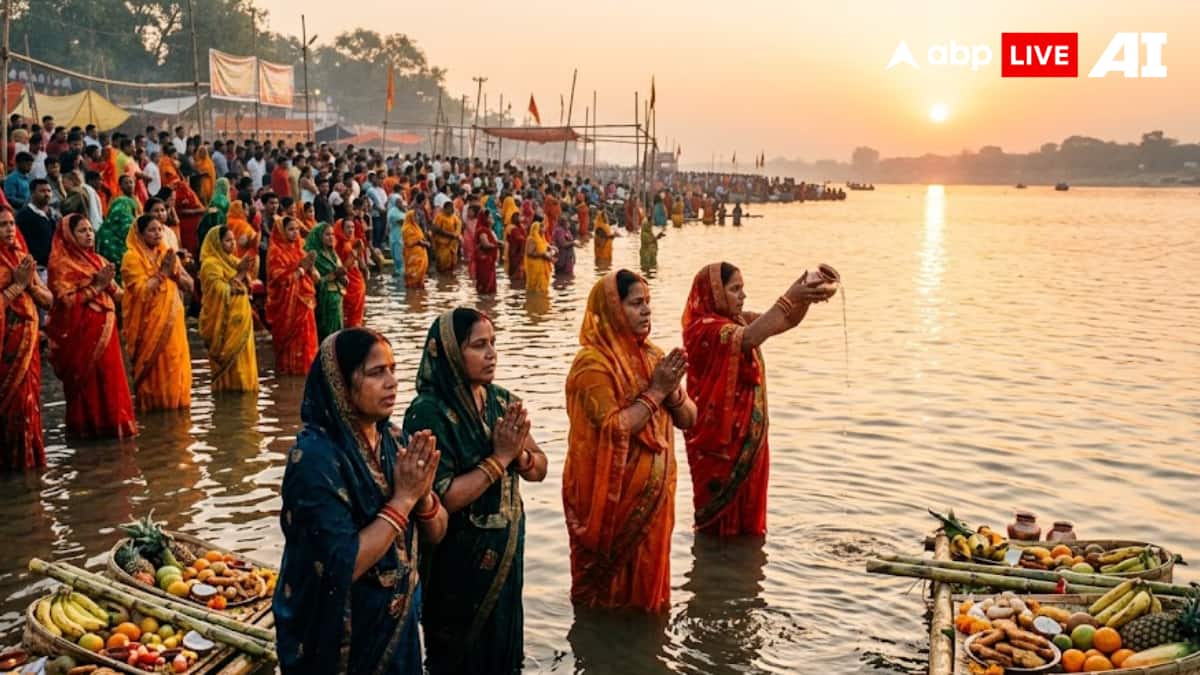
The final and most significant ritual of Chaiti Chhath is Usha Arghya, offered at sunrise on the fourth day of the festival.
Before dawn, devotees return to the riverbank or water body to offer prayers to the rising sun. This ritual symbolises hope, renewal and gratitude for life’s blessings.
After offering the sacred Arghya, devotees conclude the festival by breaking their 36-hour nirjala fast, marking the completion of the Chhath Puja with prayers for family wellbeing, prosperity and spiritual harmony.
[Disclaimer: The content of this article is based solely on beliefs, and should be taken as general guidance. Individual experiences may vary. ABPLive.com does not assert the accuracy or validity of any claims or information presented. It is strongly recommended to consult a qualified expert before considering or implementing any information or belief discussed herein.]
Frequently Asked Questions
When is Chhath Puja celebrated in 2026?
What is the significance of Nahay Khay on the first day?
Nahay Khay marks the beginning of the festival with devotees taking a holy bath for purification. A simple satvik meal, usually pumpkin, chana dal, and rice, is then consumed.
When does the 36-hour nirjala fast begin?
The 36-hour nirjala fast, which involves abstaining from food and water, begins after the Kharna ritual on the second day of the festival.
What rituals are performed on the third day, Sandhya Arghya?
On Sandhya Arghya, devotees offer prayers and water to the setting sun at riverbanks or ponds. Special offerings are made in bamboo baskets.
How does Chhath Puja conclude in 2026?
The festival concludes with Usha Arghya, an offering to the rising sun on the fourth day. Devotees break their fast after this final ritual.

Top Headlines
Religion

Kanwar Yatra 2026: McLaren Model, Ganga Water And Patriotic Designs Take Centre Stage
Religion

August 2026 Prediction: Will The Lunar Eclipse Of August 28 Bring A Second Wave Of Agitation?
Religion

Sawan Somwar 2026: 7 Mistakes To Avoid While Worshipping Lord Shiva On August 10
Religion

Kamika Ekadashi 2026: Know Puja Muhurat, Panchang, Rahu Kaal And Horoscope






See Today's Weather 
powered by