Why The World’s Calendar Ends On 31 December? The Surprising Story Behind The Last Day Of The Year
Ever wondered why the year always ends on 31 December? The fascinating story behind the calendar’s final page is stranger and more dramatic than you think.

- Ancient Romans began their year in March, ignoring winter months.
- Julius Caesar introduced the Julian Calendar, setting January 1 as start.
- Pope Gregory XIII's Gregorian Calendar finalised December 31 as year's end.
- Global adoption of the Gregorian calendar created universal date.
Every year, without fail, the world gathers around the same date, 31 December, to count down, celebrate, reflect, and reset. But have you ever paused mid-fireworks to ask, "Why does the year end on this exact day? Why decided it? Was is science or something far more human?
The answer is a thrilling blend of ancient politics, imperial ambition, astronomical puzzles, and calendar chaos that stretches across thousands of years.
ALSO READ: New Year 2026: Planning A January Break? 6 Perfect Getaways Near Delhi For Long Weekends
The Original Roman Year Was A Total Mess
Long before January ever existed, the ancient Romans began their year in March. Their calendar had only 10 months, and winter bas basically ignored. There was no official months for the cold season at all. Time, quite literally, disappeared for weeks.
It wasn't until around 700 BCE, when King Numa Pompilius added January and February that the year started to resemble what we know today. Even then, the system was wildy inaccurate. Months shifted, seasons drifted, and political leaders kept changing dates whenever it suited them.
Julius Caesar’s Power Move Changed Everything
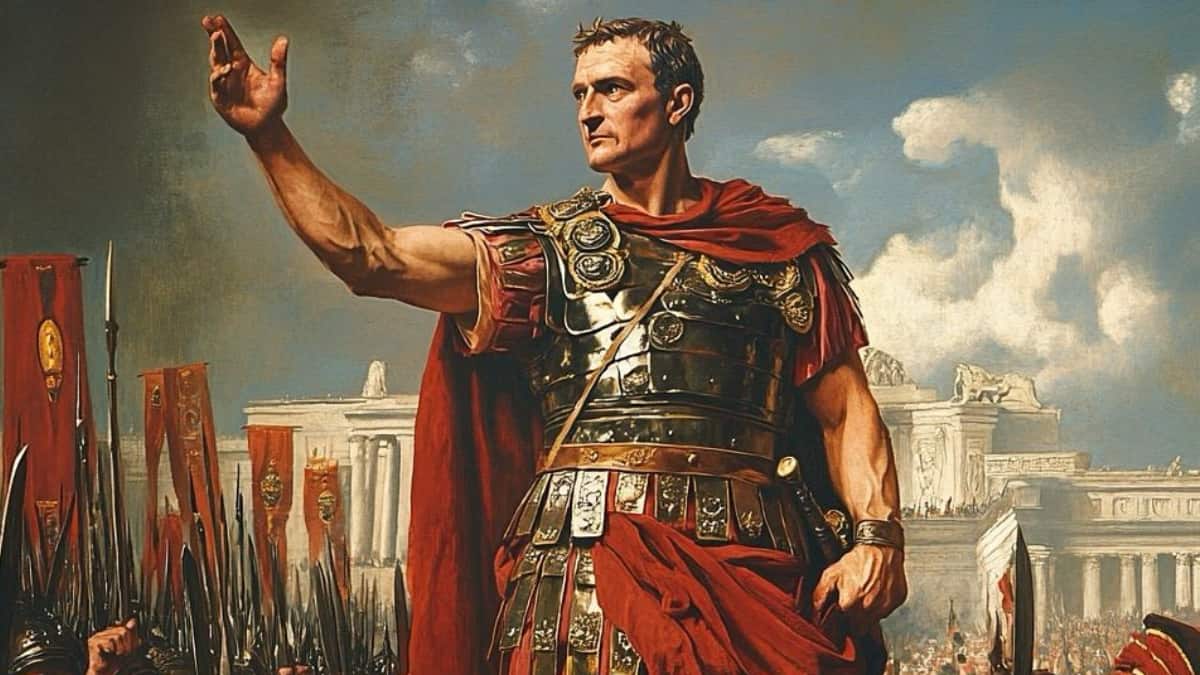
By 46 BCE, Rome’s calendar was so broken that festivals were happening in the wrong seasons. Enter Julius Caesar, who, with the help of Egyptian astronomers, completely rebuilt time itself.
He introduced the Julian Calendar, fixed the year at 365 days, and placed January 1 as the official start of the year. Once January became Day One, December automatically became the final chapter.
And just like that, 31 December became the world’s closing curtain.
The Pope Who Locked It In Forever
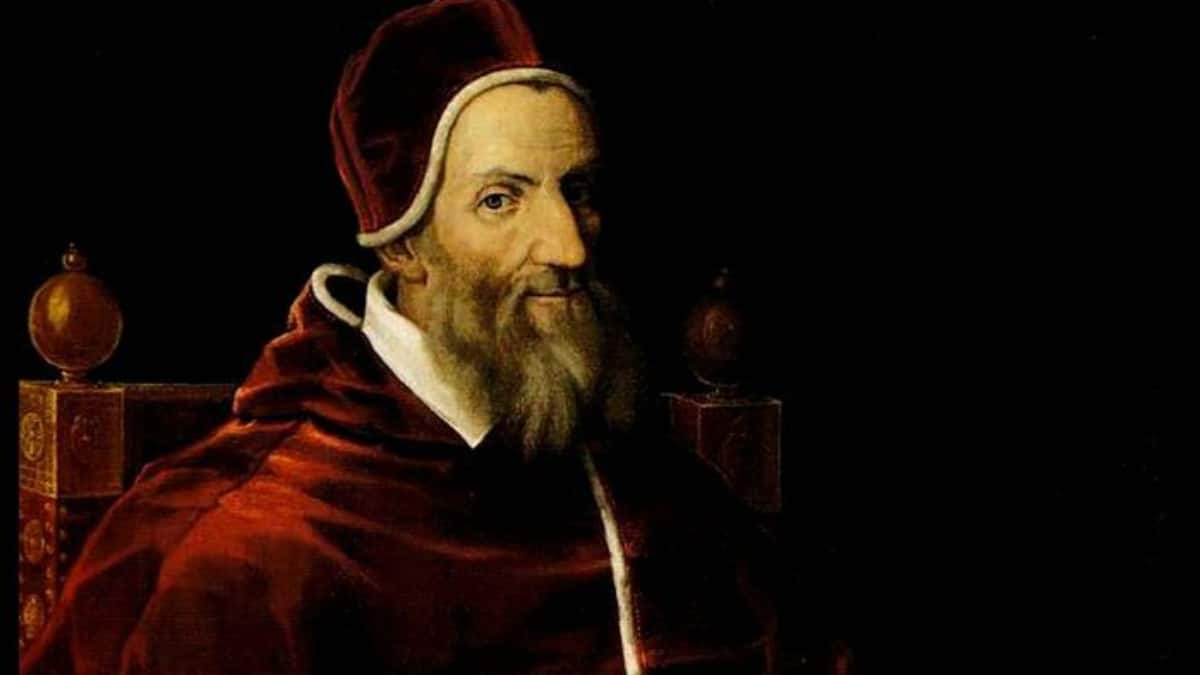
Centuries later, even Caesar’s system was slightly off. By 1582, the calendar had drifted ten days from the seasons. So Pope Gregory XIII corrected it with the Gregorian Calendar, the one the world still uses today.
He adjusted leap years, fixed the drift, and kept December 31 as the year’s end. No going back.
Different countries adopted the new calendar at different times. Some nations resisted for centuries. But trade, navigation, religion and global communication eventually forced everyone onto the same timeline.
By the 20th century, 31 December had officially become the planet’s universal reset button.
The day feels so magical as it's a story of human civilisation. Of emperors, popes, power struggles, and the ancient dream of controlling time itself.
Every countdown, every resolution, every midnight kiss is connected to decisions made thousands of years ago by people who never imagined fireworks, champagne, or digital clocks.

Top Headlines