




The Glass Octopus is an elusive marine species known for its nearly transparent body, allowing its internal organs to be clearly visible. This transparency is a survival strategy, helping it blend into the deep ocean to evade predators.
Explorer
10 Animals That Look Unreal But Are 100% Real
From glass-like sea creatures to dragon-faced mammals, know about these 10 rare animals that look fictional but actually exist in the wild.

A rare collection of real-life animals whose bizarre appearances look straight out of science fiction.
Source : Twitter/@Tuberoot
- Nature's wonders include unique animals like the glass octopus.
- Other unusual creatures are the long-legged maned wolf and Saiga antelope.
- Eerie aye-ayes and long-wattled umbrellabirds also exist.
- Pink fairy armadillos, flightless kakapos, and jerboas are remarkable.
- Tenrecs and yeti crabs showcase bizarre deep-sea adaptations.
Nature often outperforms imagination. While fantasy films rely on CGI and special effects, the real world quietly hosts creatures so bizarre that they seem digitally created. From transparent marine life to mammals that resemble mythical beasts, evolution has produced animals that challenge our understanding of reality.
This list explores ten extremely rare and lesser-known animals that look completely unreal but are scientifically verified and very much alive.
ALSO READ: What Exactly Is Quark? Know Its Health Benefits
1. Glass Octopus
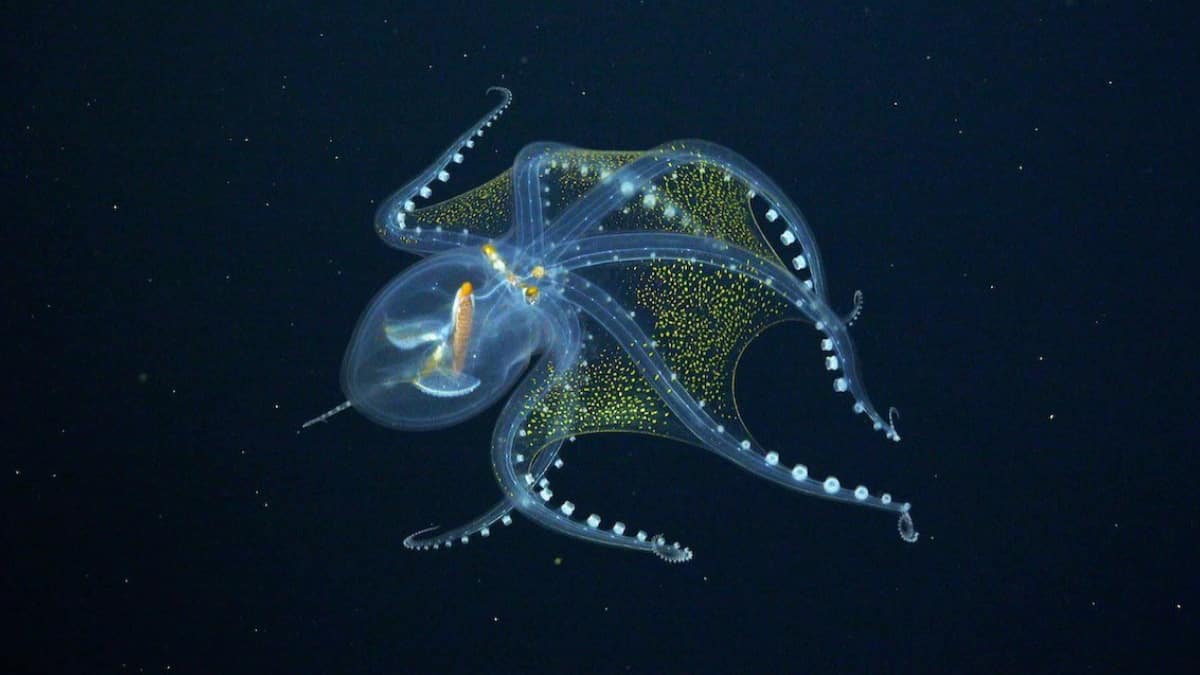
The Glass Octopus looks like a creature straight out of a futuristic animated film. Its nearly transparent body allows internal organs to be seen clearly, giving it a ghost-like appearance in the deep ocean. Found in mesopelagic zones, this elusive species uses transparency as a survival strategy, blending seamlessly with the surrounding water to evade predators. Scientists believe its delicate structure helps it conserve energy in low-light environments. Spotting one is incredibly rare, making it one of the ocean’s most mysterious inhabitants.
2. Maned Wolf
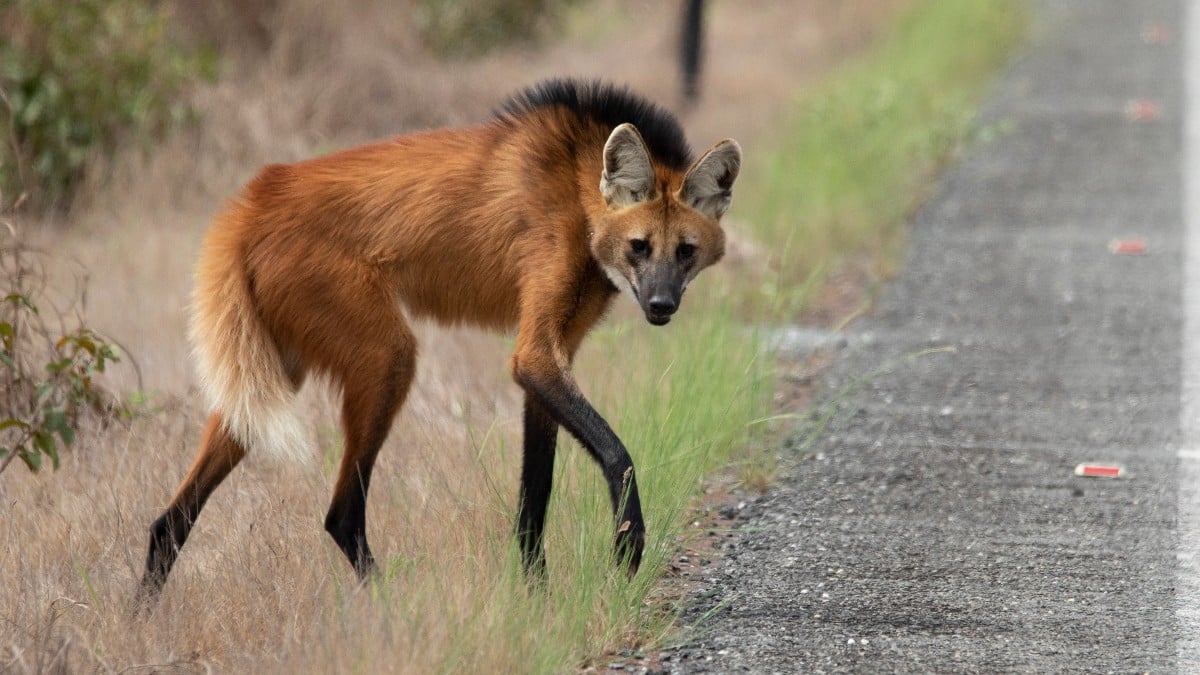
Neither fox nor wolf, the Maned Wolf looks like a surreal hybrid designed by an artist experimenting with proportions. Native to South America’s grasslands, it has extremely long legs, a slender body, and a fox-like face topped with large ears. Its unusual build helps it see over tall grasses while hunting. The animal’s reddish coat and black mane add to its mythical appearance. Despite its intimidating look, the Maned Wolf is shy and largely solitary. It even smells oddly like cannabis due to chemical compounds in its urine.
3. Saiga Antelope
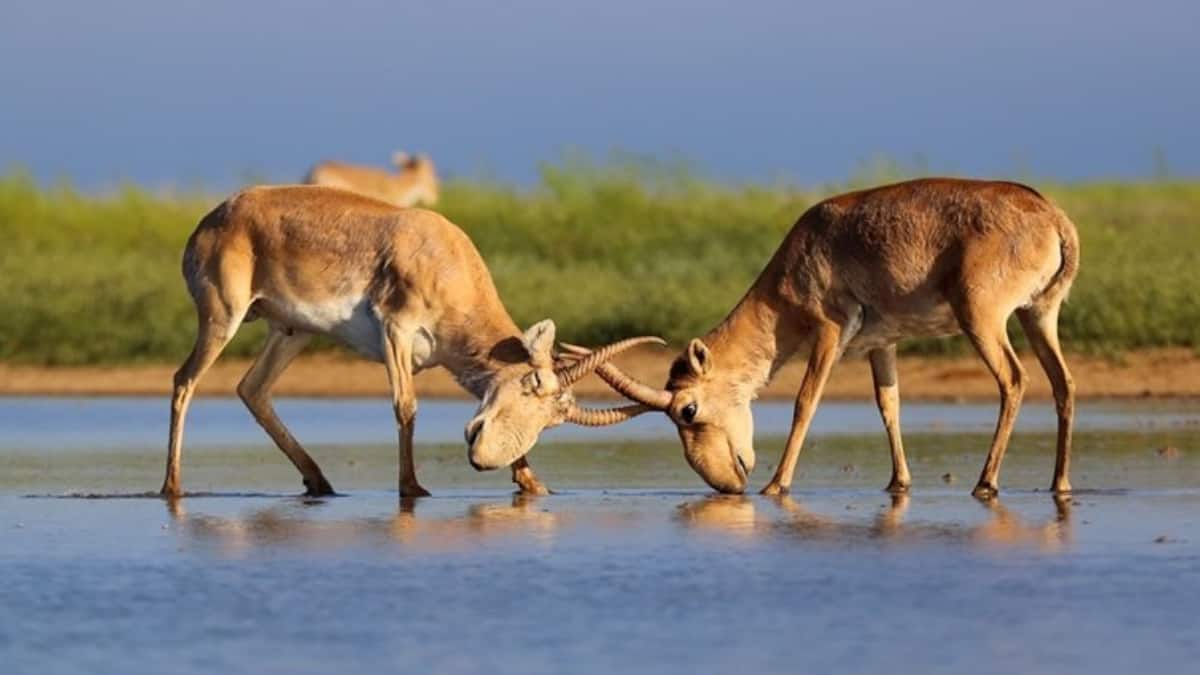
With its oversized, drooping nose, the Saiga Antelope looks almost cartoonish. Found in Central Asia, this critically endangered species uses its unusual nasal structure to filter dust in summer and warm cold air in winter. The inflated snout gives it an alien-like profile that seems biologically impossible. Once roaming in massive herds, Saiga populations have sharply declined due to disease and poaching. Its appearance may seem humorous, but it plays a crucial role in its harsh environment.
4. Aye-Aye
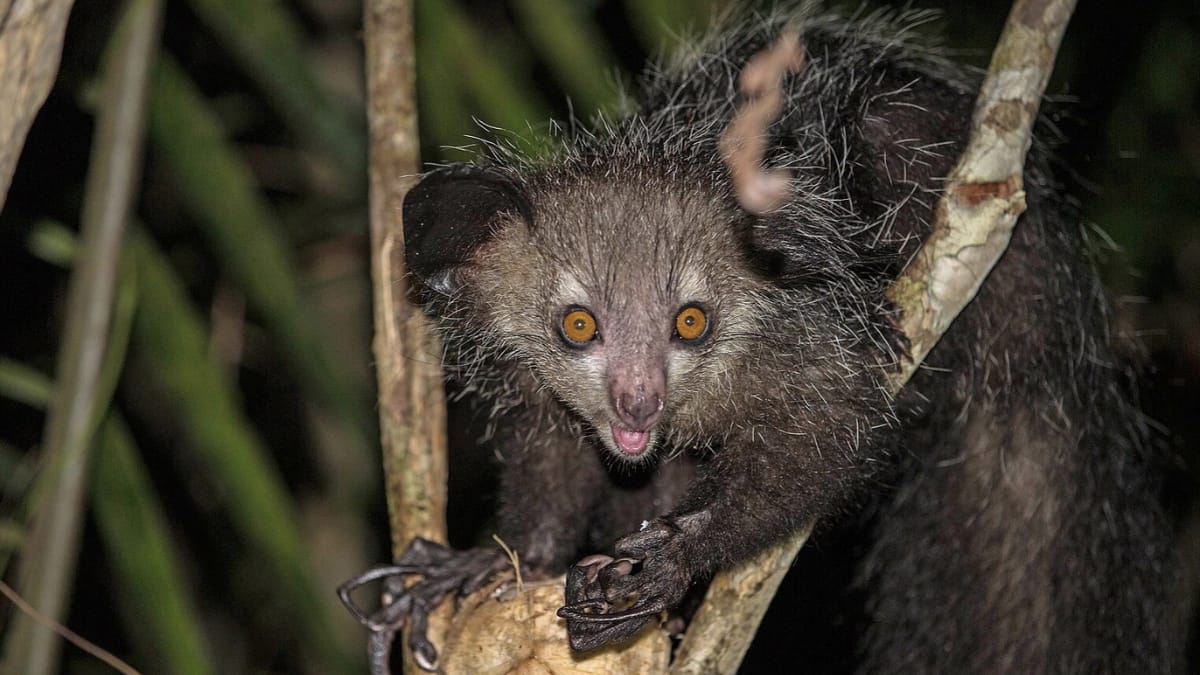
The Aye-Aye looks like a creature from folklore, with bulging eyes, bat-like ears, and an unnervingly long middle finger. Native to Madagascar, it uses that finger to tap on trees, locate insects, and extract them from bark. This hunting method, called percussive foraging, is unique among mammals. Its appearance has led to superstition, causing locals to fear it as a bad omen.
5. Long-Wattled Umbrellabird
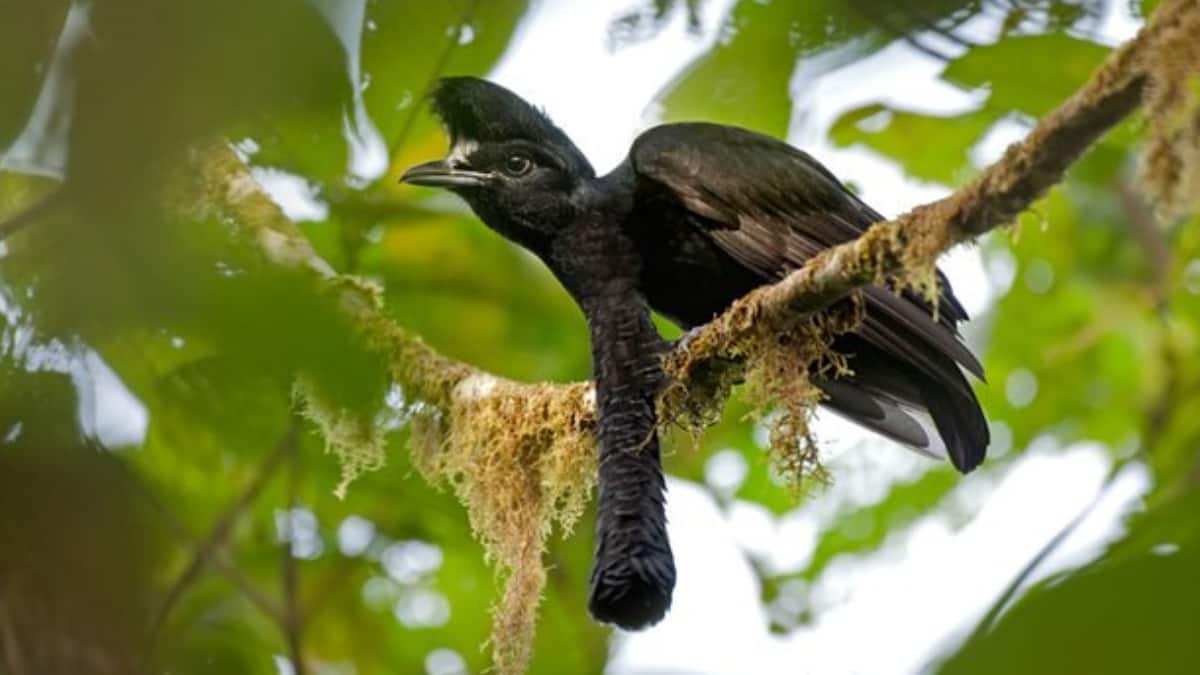
This jet-black bird looks like it belongs in a gothic fantasy novel. Found in Central and South American rainforests, it has an umbrella-shaped crest and an extraordinarily long throat wattle. During mating displays, the wattle sways dramatically, making the bird appear almost theatrical. Its deep, echoing calls add to its mystique. Rarely seen and poorly understood, the Umbrellabird’s unusual features are a result of sexual selection rather than survival needs.
6. Pink Fairy Armadillo
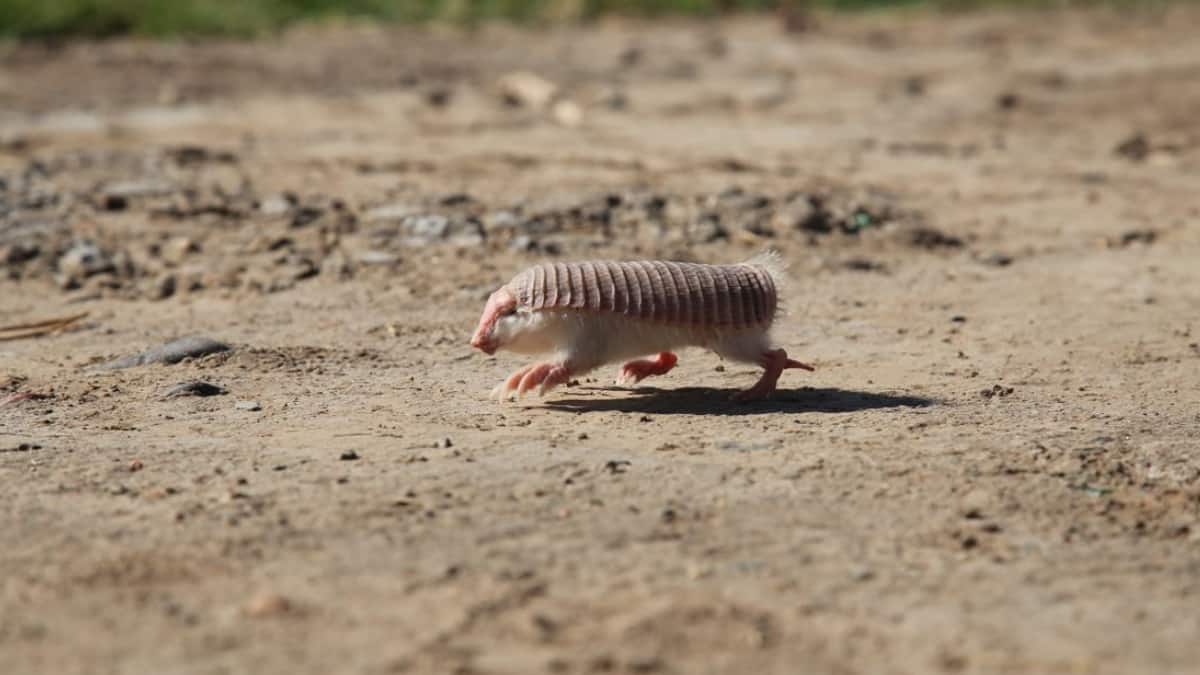
The smallest armadillo species looks like a living toy. With a pale pink shell and soft white fur, it resembles something imagined rather than evolved. Native to Argentina, it spends most of its life underground, making sightings extremely rare. Its shell is flexible and attached to its body by a thin membrane, unlike other armadillos. Sensitive to environmental changes, it struggles in captivity.
7. Kakapo
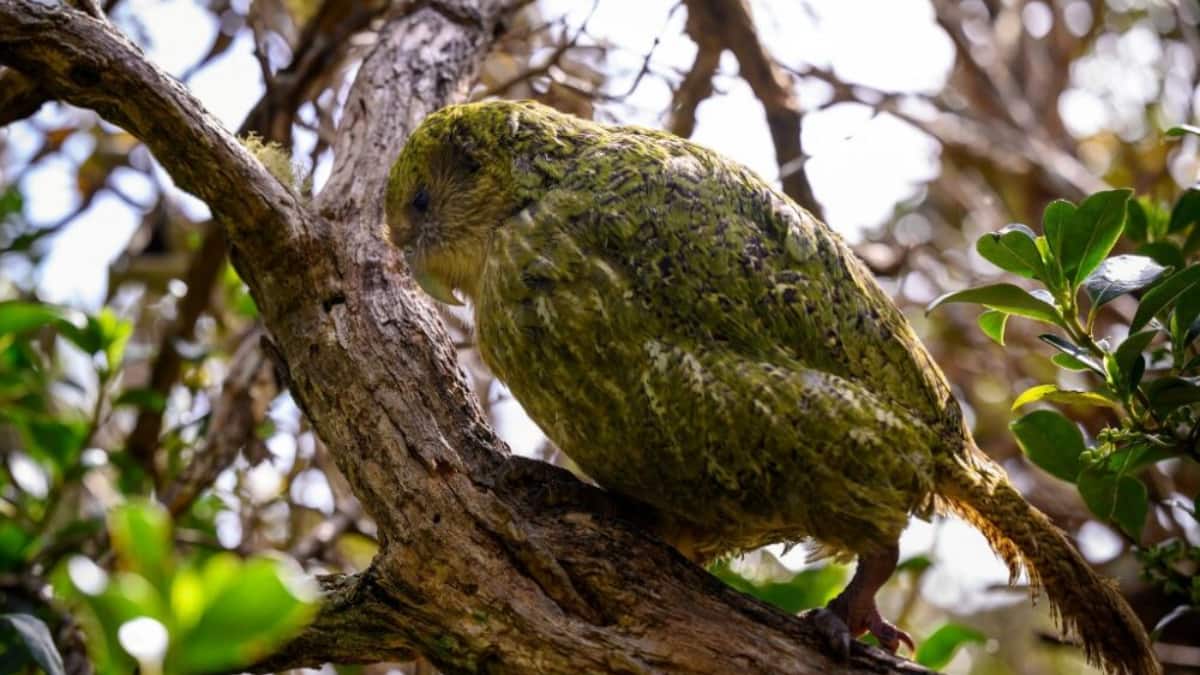
The kākāpō is a flightless, nocturnal parrot that looks like an owl crossed with a teddy bear. Native to New Zealand, it has moss-green feathers that help it blend into forest floors. Unlike other parrots, it cannot fly and instead climbs trees using its strong legs and beak. The kākāpō is also one of the longest-living birds, with some individuals believed to be over 90 years old. Its quirky behaviors, including freezing when threatened, make it seem almost unreal. Once widespread, it is now critically endangered.
8. Long-Eared Jerboa
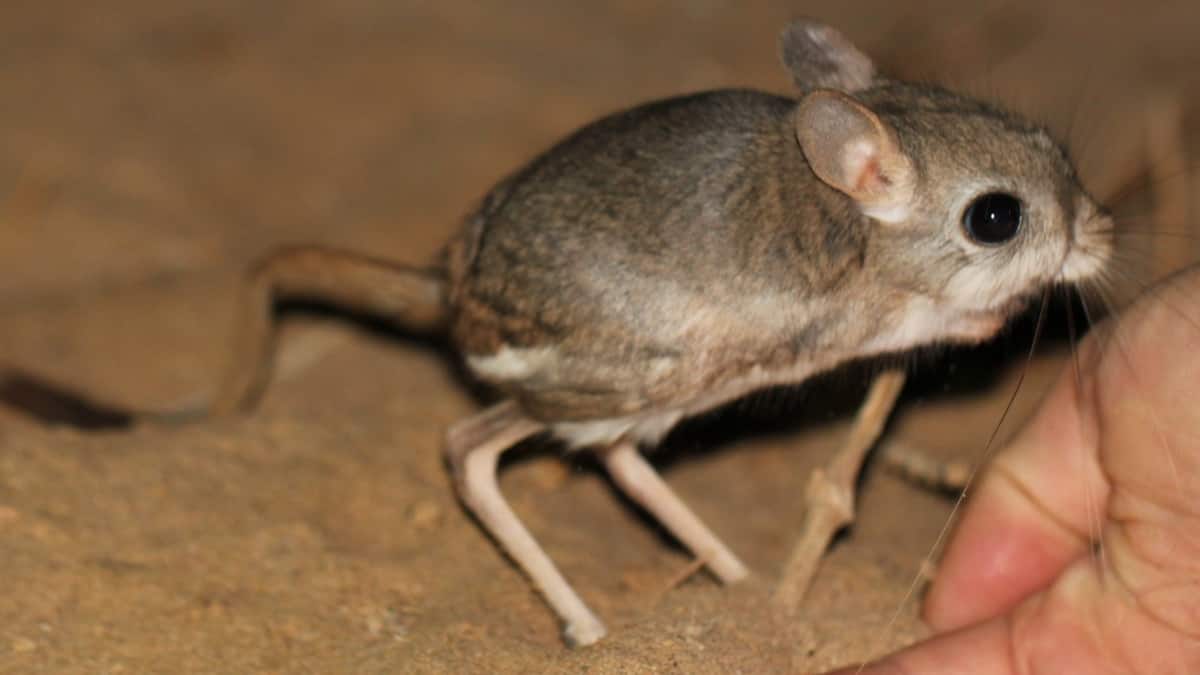
With enormous ears and powerful hind legs, the long-eared jerboa looks like a kangaroo crossed with a mouse. Native to desert regions, it uses its ears to regulate body temperature and detect predators. It hops across sand with astonishing agility, appearing almost weightless. Its exaggerated proportions make it seem unreal, yet it is perfectly adapted to extreme desert life.
9. Lowland Streaked Tenrec
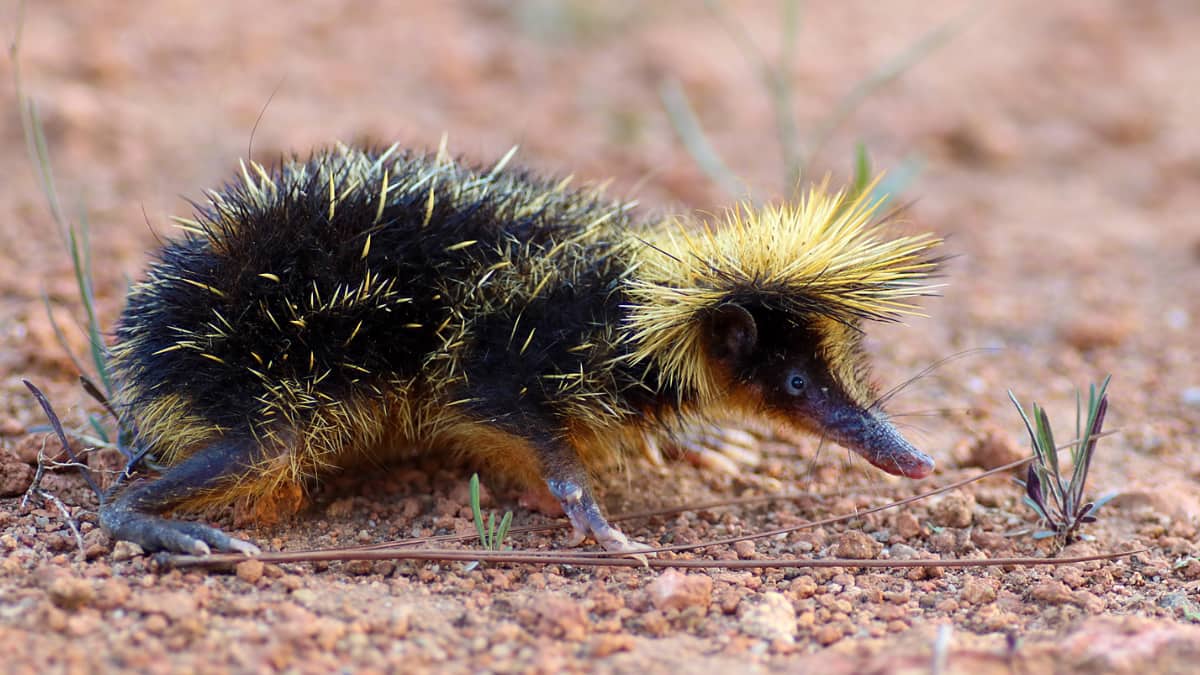
This small mammal from Madagascar looks like a spiky toy with yellow-and-black stripes. Even more astonishing, it can communicate by rubbing specialised quills together, producing sound. The lowland streaked tenrec uses these vibrations to stay in touch with its family while foraging. Its sharp appearance deters predators, while its behaviour continues to fascinate scientists. Few people know it exists, making it one of nature’s most underrated oddities.
10. Yeti Crab
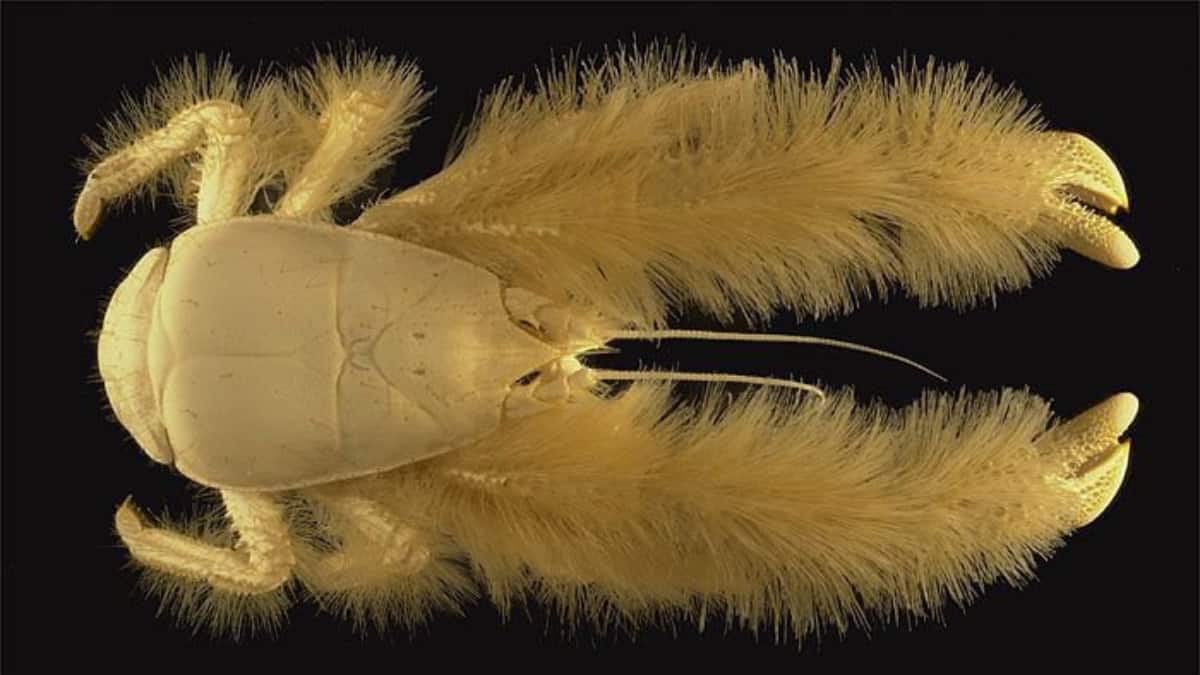
Discovered near deep-sea hydrothermal vents, the yeti crab looks like it walked straight out of a science-fiction film. Its claws are covered in thick, hair-like bristles that resemble fur. These “hairs” are actually used to cultivate bacteria, which the crab feeds on. Living in total darkness and extreme pressure, the yeti crab challenges our understanding of life on Earth. When images first emerged, many assumed it was CGI. Instead, it stands as proof that some of the strangest creatures thrive where humans can barely survive.
Frequently Asked Questions
What is a Glass Octopus and why is it unique?
What is special about the Maned Wolf's appearance?
The Maned Wolf has an unusual build with extremely long legs, a slender body, and a fox-like face with large ears. This unique proportion helps it see over tall grasses while hunting in South American grasslands.
What is the purpose of the Saiga Antelope's distinctive nose?
The Saiga Antelope's oversized, drooping nose is used to filter dust in the summer and warm cold air in the winter. This specialized nasal structure helps it survive in its harsh Central Asian environment.
How does the Aye-Aye find its food?
The Aye-Aye uses its unusually long middle finger to tap on trees and locate insects. It then extracts these insects from the bark, a hunting method known as percussive foraging.
Why does the Long-Wattled Umbrellabird have a long throat wattle?
The extraordinarily long throat wattle of the Long-Wattled Umbrellabird is primarily for mating displays. During these displays, the wattle sways dramatically, and its deep calls add to the bird's mystique.

Top Headlines
Lifestyle

Pet First | Leaving Your Pet Home Alone For Festive Celebrations? 6 Things To Do Before You Leave
Lifestyle

What Is Cerebral Palsy? Symptoms, Causes And Treatment Of The Condition RJ Mitte Lived With
Lifestyle

Durga Puja 2026: 8 Dishes You Must Not Miss While Visiting Pandals
Lifestyle

Budget Traveller | Planning To Witness Cherry Blossoms In Japan? Check IRCTC’s 9-Day Tour Starting At Rs 3.51 Lakh


See Today's Weather 
powered by



