




Many new owners choose a pet based on looks without researching breed traits, energy levels, or health needs. This can lead to mismatched expectations and behavioural issues.
Explorer
ABP Live Pet First | 8 Common Mistakes New Pet Parents Make And How To Avoid Them
New pet parent? ABP LIVE Pet First reveals 8 common mistakes that could affect your pet’s health, happiness and behaviour, plus easy fixes.

ABP Live Pet First: Avoid these common rookie pet parenting mistakes to keep your furry friend healthy and thriving.
Source : ABPLIVE AI
- Research breed traits and lifestyle fit before adoption.
- Provide age-appropriate nutrition and avoid harmful foods.
- Start training and socialisation early for good behaviour.
- Schedule regular vet visits for preventative care.
- Offer mental stimulation to prevent boredom and anxiety.
- Maintain consistent daily routines for pet security.
- Address emotional needs with affection and reassurance.
- Prepare financially for long-term pet care costs.
Bringing a pet hoe is one of life's most joyful experiences, but it also comes with a steep learning curve. In the excitement of new beginnings, many first-time pet parents unknowingly make small mistakes that can impact their pet's health, behaviour, and emotional well-being. From feeding habits to training routines, every decision shapes your furry friend's future. ABP LIVE Pet First breaks down the 8 most common mistakes new pet parents make and explains exactly how you can avoid them, ensuring your pet grows into a confident, healthy and happy companion.
ALSO READ: ABP LIVE Pet First | 7 Effective Natural Remedies To Soothe Your Dog’s Itchy Skin
1. Choosing Love Over Research

Many new owners fall in love with a cute face without researching breed traits, energy levels, health needs or long-term costs. This often leads to mismatched expectations, behavioural issues and frustration. High-energy breeds placed in low-activity homes or independent cats in attention-seeking families quickly develop stress. Responsible ownership begins with understanding lifespan, grooming needs, diet, medical expenses and training requirements before adoption. Choosing a pet that fits your lifestyle creates harmony, prevents abandonment and builds lifelong bonds. Knowledge saves you from heartbreak and your pet from confusion.
2. Feeding The Wrong Diet

New parents often overfeed, underfeed or rely on unsuitable human food. Incorrect nutrition leads to obesity, digestive issues, skin problems and weakened immunity. Each pet requires age-specific, species-appropriate balanced meals. Puppies, kittens, adults and seniors all have different nutritional needs. Consulting a vet, maintaining portion control and avoiding harmful foods like chocolate, onions and bones keeps your pet thriving. Food is medicine, when chosen wisely.
3. Ignoring Training From Day One
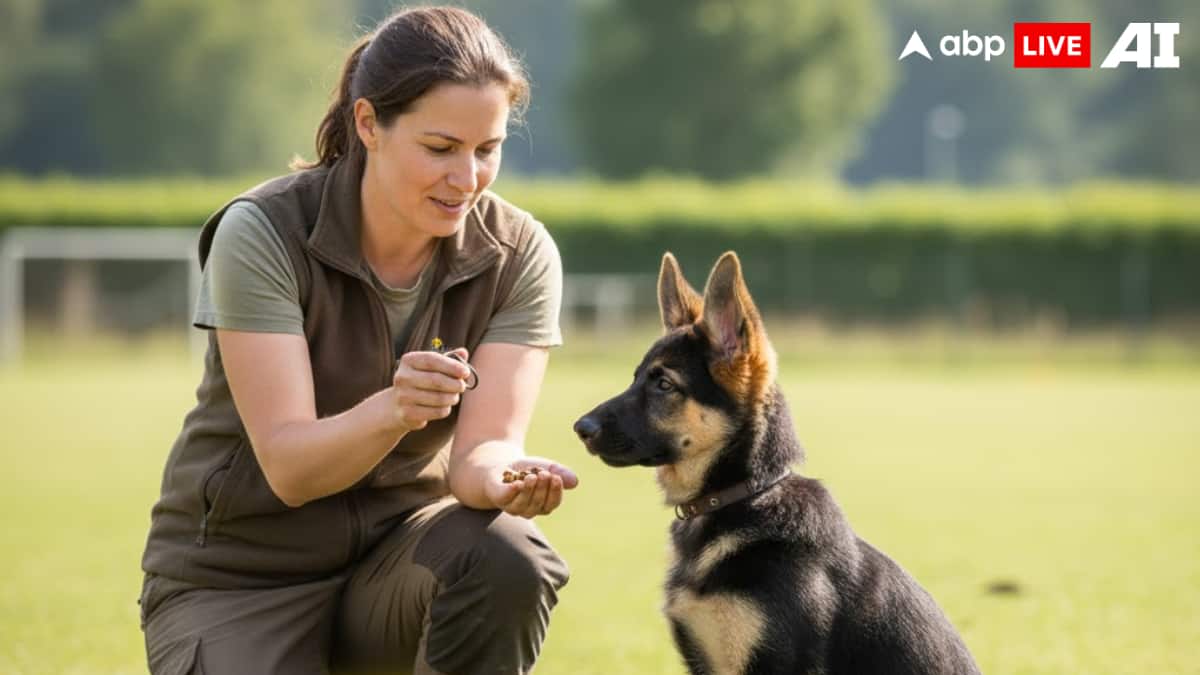
Many owners postpone training, assuming their pet will “learn later.” This creates behavioural chaos. Early training builds trust, confidence and communication. Simple commands, socialisation and routine boundaries prevent aggression, anxiety and destructive habits. Positive reinforcement works wonders and strengthens your relationship. Training is not about control and dominance, but about communication and clarity. When your pet understands expectations, they feel safe and confident. Positive reinforcement strengthens your bond and transforms daily life into peaceful cooperation.
4. Skipping Regular Vet Visits

Waiting until illness appears is one of the costliest mistakes. Preventive care protects against silent diseases that progress unnoticed. Vaccinations, parasite control, dental checks, blood tests and growth monitoring catch issues early when treatment is simpler and less expensive. A healthy pet isn’t just luck, it’s proactive care.
5. Underestimating Mental Stimulation
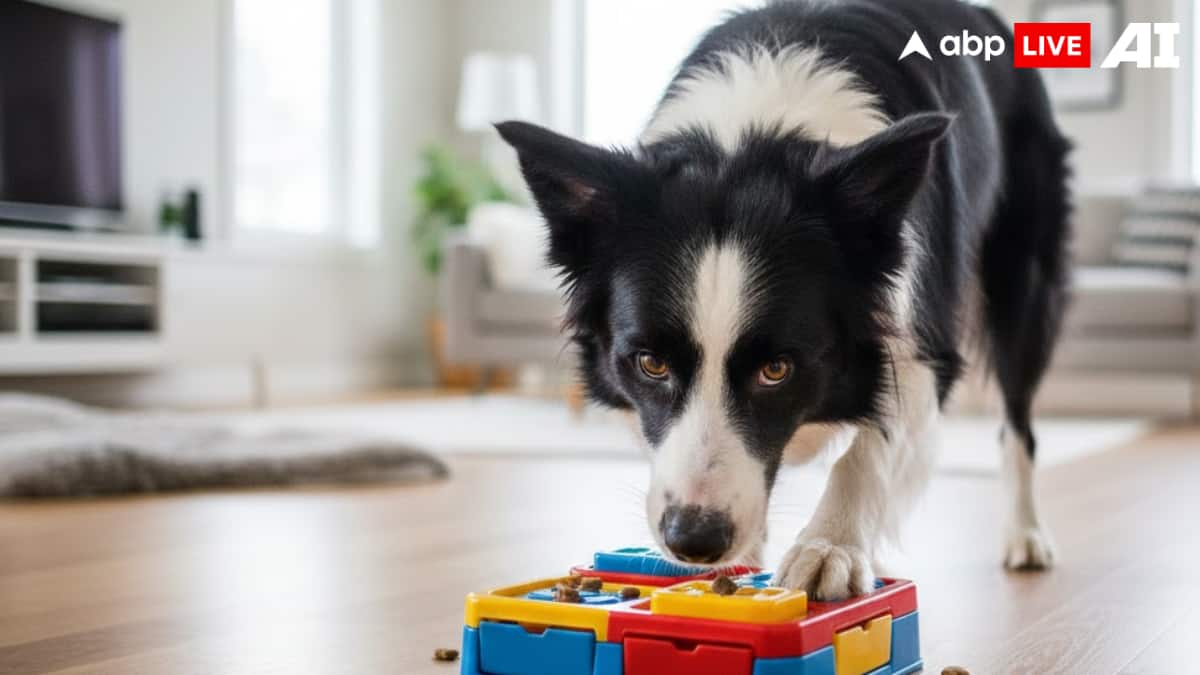
While most parents understand the importance of walks and playtime, many don’t realise that a bored mind can be just as damaging as an inactive body. Dogs and cats are intelligent, emotionally complex creatures. When their minds are underused, they often develop anxiety, destructive habits, excessive barking, scratching, chewing, pacing and even signs of depression. Mental stimulation is the hidden key to behavioural balance. Simple activities such as puzzle toys, treat-dispensing balls, scent games, hide-and-seek, obedience training, and interactive play sessions challenge your pet’s brain while providing emotional satisfaction. These activities replicate the natural problem-solving tasks animals would perform in the wild.
6. Inconsistent Routine

Pets are creatures of rhythm and expectation. Their emotional stability depends heavily on knowing what happens next. When feeding times, walks, play sessions and sleep schedules constantly change, your pet’s internal clock becomes confused. This confusion often manifests as anxiety, restlessness, excessive barking, chewing, whining, digestive issues and even sleep disturbances. A consistent daily routine acts as an emotional anchor. When your pet knows that breakfast comes after their morning walk, that playtime follows in the evening, and bedtime always happens at the same hour, they feel secure. This predictability reduces stress hormones and allows your pet’s nervous system to remain calm and balanced.
7. Forgetting Emotional Needs

One of the most common and most damaging mistakes new pet parents make is assuming that food, shelter and exercise alone are enough. In reality, pets are deeply emotional beings. They feel fear, loneliness, attachment, excitement, anxiety and stress just as strongly as humans do. Pets require consistent affection, gentle communication, patience, reassurance and a sense of belonging. They need to feel seen and emotionally safe. A few minutes of focused attention, soft words, physical closeness and calm interaction each day builds powerful trust. That trust becomes the foundation of your relationship.
8. Not Preparing For The Long-Term

One of the most serious mistakes is viewing pet ownership as a short-term responsibility instead of the lifelong commitment it truly is. A pet is not a phase, a hobby, or a temporary comfort, it is a living being that will depend on you emotionally, financially and physically for many years. From the very beginning, responsible pet parenting means planning for the future. This includes budgeting for food, grooming, vaccinations, emergency medical care, insurance, training, and unexpected expenses. Veterinary costs rise as pets age, and chronic health conditions often appear later in life. Without financial preparation, many owners find themselves forced into heartbreaking decisions that could have been avoided with foresight.
Frequently Asked Questions
What is the most common mistake new pet owners make regarding breed selection?
Why is feeding the wrong diet a significant problem for pets?
Incorrect nutrition can cause obesity, digestive issues, skin problems, and weakened immunity. Pets need age-specific, species-appropriate balanced meals for optimal health.
What are the benefits of starting training from day one?
Early training builds trust, confidence, and clear communication between you and your pet. It helps prevent aggression, anxiety, and destructive habits.
How important are regular vet visits for pet health?
Regular vet visits are crucial for preventive care, including vaccinations and health checks. This catches potential issues early when treatment is simpler and less expensive.
Why is mental stimulation essential for pets?
A bored mind can lead to anxiety, destructive behaviours, and even depression. Mental stimulation keeps pets engaged and emotionally satisfied, contributing to their overall well-being.

Top Headlines
Lifestyle

Shardiya Navratri 2026: Know The Right Way To Sow Jau During Kalash Sthapana
Lifestyle

Stop Storing Bananas With Other Fruits, Know The Scientific Reason Behind This
Lifestyle

Indira Ekadashi 2026: Completed Shraddha Rituals? Know If You Still Need To Keep The Vrat
Lifestyle

Pet First | 4 Subtle Cat Behaviours That Mean Your Furry Friend Is Craving Attention


See Today's Weather 
powered by



