Gurugram recorded a biting cold of 0.8 degrees Celsius on Wednesday. The city previously registered an even lower temperature of 0.6 degrees Celsius on Monday.
Explorer
Gurugram Shivers At 0.8°C as Brutal Cold Wave Tightens Grip Across NCR
Gurugram freezes at 0.8°C as a severe cold wave engulfs NCR. IMD explains why plains are colder than hill stations. Read full ground report.

Residents travel through heavy fog as Gurugram records near-freezing temperatures during the intense cold wave.
Source : PTI
- Gurugram recorded 0.8°C, experiencing one of its coldest winters.
- Monday's 0.6°C tied a nearly 50-year-old historic low.
- Plains felt colder than hills due to clear skies.
- Frost, fog, and extreme cold impacted daily life.
Gurugram woke up to biting cold on Wednesday as the mercury plunged to 0.8 degrees Celsius, pushing the city into one of its harshest winter phases in decades. According to the India Meteorological Department (IMD), the intense cold wave sweeping across the National Capital Region and large parts of northwest India has placed Gurugram among the coldest locations in North India this week.
The icy conditions come just days after the city registered an even more shocking low of 0.6 degrees Celsius on Monday, a mark that tied with the historic minimum recorded on January 22, 1977, making it the chilliest January day in nearly 50 years.
A Rare Weather Record That Stunned The Region
View this post on Instagram
IMD’s automatic weather station confirmed Monday’s 0.6°C reading, a figure that only three colder days in Gurugram’s recorded history have beaten:
- –0.4°C on December 5, 1966
- 0°C on January 11, 1970
- 0.3°C on January 22, 1979
Such numbers place this winter firmly among the most severe episodes the city has ever witnessed.
When the Plains Feel Colder Than The Hills
While Gurugram and Delhi shivered under near-freezing temperatures, the mountains painted a surprising contrast. On Wednesday, Delhi’s Safdarjung station reported 3.8°C, but hill destinations such as Mussoorie (7.7°C) and Shimla (8.8°C) remained noticeably warmer.
IMD director general M Mohapatra explained the strange imbalance:
“The night was cloudy over the higher reaches, which is why minimum temperatures remained higher there.”
He added that clear skies across the plains allowed heat to escape rapidly after sunset, while steady northwesterly winds amplified the cooling effect, sending temperatures plunging overnight.
Frost, Fog And Freezing Mornings Grip Daily Life
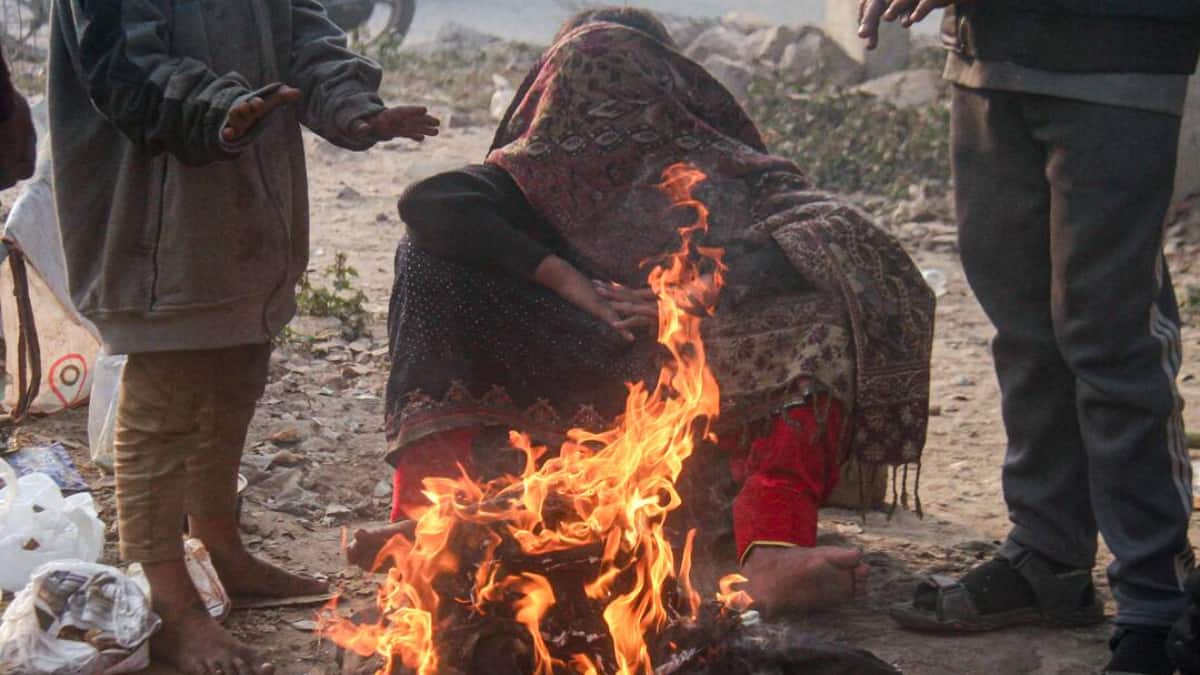
The cold left its mark across Gurugram and nearby areas. Early mornings revealed thick frost coating crops, grass, and even car windshields, while dense fog reduced visibility on roads.
Jeeva Thavasiraj, a 22-year-old site engineer working in Sector 66, described the shock of the weather:
“I come from Tamil Nadu and have never experienced this kind of cold. Even with heavy safety shoes, our feet become numb.”
Sunita Devi, who travels daily from Sohna, spoke of the difficult commute:
“There was frost on our bus’s windshield and crops in the fields. The elevated roads had very poor visibility, and vehicles had to move slowly.”
As the cold wave shows no immediate sign of easing, the region continues to battle one of the most unforgiving winters in recent memory — a reminder of nature’s unpredictable extremes.
Frequently Asked Questions
What was the lowest temperature recorded in Gurugram recently?
How does this winter compare to past years in Gurugram?
The recent temperatures of 0.8°C and 0.6°C place this winter among the most severe episodes Gurugram has ever witnessed.
Why were hill stations warmer than Gurugram and Delhi?
Clear skies over the plains allowed heat to escape rapidly, while cloudy skies over the mountains trapped heat. Steady northwesterly winds also amplified cooling on the plains.
What were the effects of the cold wave on daily life?
The cold wave brought thick frost to crops and car windshields, and dense fog reduced visibility, making commutes difficult and dangerous.

Top Headlines
Cities

West Bengal To Be Renamed ‘Paschim Banga’? BJP Chief Samik Bhattacharya Announces Bill Plan
Cities

Delhi Cop Accused Of Sexual Assault By Journalist During Jantar Mantar Protest Gets Promotion
Cities

Former Bank of Maharashtra Branch Manager Gets 7-Year Jail Term In Rs 3.61 Crore Fraud Case
Cities

Influencer Arrested Over Objectionable Reel Featuring Mahatma Gandhi's Image









See Today's Weather 
powered by