Explorer
Ex Chief Economic Advisor opens up on demonetisation; Terms it massive, draconian, monetary shock
Arvind Subramanian said that demonetisation was nothing but a massive, draconian, monetary shock that brought down the economic growth to 6.8 per cent.
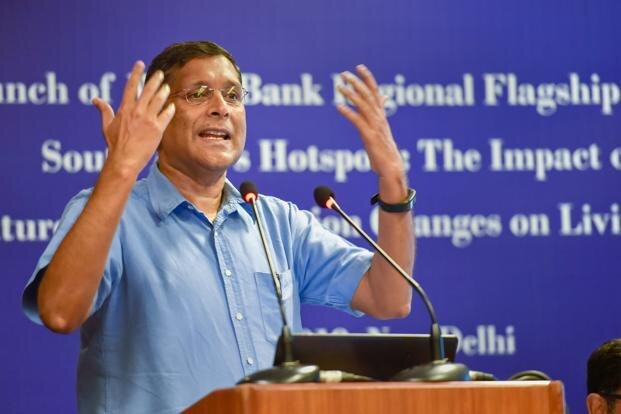
Former Chief Economic Advisor Arvind Subramanian. (Image: PTI)
Former Chief Economic Advisor (CEA) Arvind Subramanian has finally broken his since on Central government’s decision of demonetisation taken in 2016 and said that the move was nothing but a massive, draconian, monetary shock that brought down the economic growth to 6.8 per cent. “The informal sector had to bear substantial costs due to the ban on high-value currency,” news agency IANS quoted Subramanian as saying in his upcoming book ‘Of Counsel: The Challenges of the Modi-Jaitley Economy’. The book will be released on December 5. However, the former CEA, whose tenure ended in June this year, did not make it clear whether he was consulted by the government before putting ban on high-value currency notes worth Rs 500 and Rs 1,000. Prime Minister Narendra Modi had announced the decision to scrap Rs 500 and Rs 1,000 notes on November 8, 2016, and said the decision was taken to curb black money laundering, terrorism and increasing corruption in the country. “In the six quarters before demonetisation, growth averaged 8 per cent and in the seven quarters after, it averaged about 6.8 per cent (with a four quarter window, the relevant numbers are 8.1 per cent before and 6.2 per cent after),” Subramanian wrote in chapter "The Two Puzzles of Demonetisation -- Political and Economic" of the book. Subramanian stressed on the fact there is no dispute over the slowdown of growth post demonetisation but the debate has been about the size of the effect. “After all, many other factors affected growth in this period, especially higher real interest rates, GST implementation and oil prices,” he said. “When a shock like demonetisation occurs, that primarily affects the informal sector, relying on formal indicators to measure overall activity will overstate GDP,” Subramanian wrote according to IANS. The economic expert also believes that any squeeze in informal sector incomes would depress demand in the formal sector and this effect should have been sizable. Talking about the positive impacts of demonetisation, Subramanian said that the move may have enabled more people to shift from cash transactions to electronic payments such as through debit/ credit cards or electronic wallets.
Top Headlines
Business

8th Pay Commission: No Salary Hike Yet, Here's What Central Govt Employees Are Waiting For
Business

Govt Approves 1 Billion Polymer Notes Each Of Rs 10, Rs 20 For Field Trials
Business

Stock Markets Decline As Sensex Falls Over 380 Points, Nifty Tests 24,471
Business

Gold Silver Rate Today (Aug 11): Metals In Green, Check Latest Rates In Delhi, Mumbai, Chennai, More





See Today's Weather 
powered by