





Kola Bou, meaning 'banana bride,' is a banana plant dressed in a white sari with a red border. It is ceremonially worshipped during Durga Puja as part of the Nabapatrika ritual.
Explorer
Durga Puja 2026: What Is Kola Bou? Why Is A Banana Tree Dressed As A Bride?
What is Kola Bou, the banana bride of Durga Puja? Know the significance of dressing a banana plant as a bride, the nine plants of Nabapatrika and the ritual observed on Maha Saptami 2026.

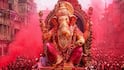
Durga Puja 2026: Kola Bou, or the banana bride, is an important part of Bengal's Durga Puja celebrations.
Source : Pinterest
- Kola Bou, a banana plant, holds significance in Durga Puja.
- It represents nature's sacred power during Nabapatrika worship.
- On Maha Saptami, it is ceremonially bathed and placed.
- The ritual honours nature, fertility, and life-sustaining power.
Every year during Durga Puja, a distinctive ritual draws attention at Bengali pandals. A banana plant, dressed in a white sari with a red border, is ceremonially bathed and placed beside Lord Ganesha's idol. Known as Kola Bou, or the banana bride, this tradition is among the most fascinating rituals of Bengal's biggest festival. However, Kola Bou is much more than a banana plant dressed as a bride. The ritual is closely connected to Nabapatrika, an arrangement of nine plants that represents the sacred power of nature and is worshipped during Durga Puja. It reflects the deep connection between Goddess Durga, fertility, agricultural abundance and the natural world.
What Is Kola Bou And What Does It Mean?
Kola Bou is a Bengali term that literally translates to 'banana bride'. The name comes from the banana plant, known as kola in Bengali, and bou, meaning bride or wife. The ritual takes place on Maha Saptami, the seventh day of the traditional Durga Puja celebrations. The banana plant is dressed in a traditional sari and worshipped as part of the Nabapatrika ritual, also known as Navapatrika. Although Kola Bou is often seen standing beside Lord Ganesha and is sometimes described as his wife, this is a popular interpretation rather than the central religious meaning of the ritual. In traditional Nabapatrika worship, the plant ensemble is revered as a manifestation of divine feminine power associated with Goddess Durga. The ritual's significance lies in the worship of nature as sacred and the recognition of the life-sustaining power of plants.
ALSO READ | Navratri 2026: Why Red Chunari, Sindoor And Shringar Are Offered To Maa Durga
What Is Nabapatrika And Why Are Nine Plants Worshipped?
Nabapatrika is an important ritual of Bengali Durga Puja. The word comes from naba, meaning nine, and patrika, referring to leaves or plants. The ritual involves nine different plants tied together to form a sacred ensemble. The nine plants traditionally include banana, colocasia, turmeric, jayanti, bel, pomegranate, ashoka, maan (another variety of colocasia) and paddy. They are bound together, traditionally using a white aparajita creeper, to create the Nabapatrika. In traditional interpretations, each plant is associated with a particular form of the Goddess. Together, they represent divine feminine power and the life-giving forces of nature. The banana plant forms the central part of this arrangement, which explains why it is the most visible element of the ritual. The worship also reflects Bengal's agricultural heritage, where crops, plants and seasonal harvests have long been connected with religious traditions. It serves as a reminder that nature is not merely a source of food and livelihood but also something to be revered.
ALSO READ | Durga Puja 2026: Khichdi, Luchi, Payesh And 18 Other Bhog Items To Know About
Why Is The Banana Tree Dressed As A Bride?
The banana plant is dressed in a white sari with a red border, giving it the appearance of a traditional Bengali bride. This distinctive attire lends the ritual its familiar name, Kola Bou, and makes the plant a recognisable presence at Durga Puja pandals. The bridal appearance is rooted in Bengali cultural symbolism, in which a newly married woman is associated with auspiciousness, prosperity and the continuation of life. The sari transforms the plant into a recognisable ceremonial figure, while the ritual bath and subsequent worship mark its sacred role in the festival. However, the bridal attire should not be taken as proof that Kola Bou is Lord Ganesha's wife. Although this interpretation is widespread in popular culture, the plant is worshipped as part of Nabapatrika, which carries its own religious and agricultural significance. The tradition brings together familiar elements of Bengali life, including bridal customs, reverence for the Goddess and the importance of nature in sustaining human life.
What Happens During Kola Bou Snan On Maha Saptami?
The ritual begins early on Maha Saptami, when the Nabapatrika is ceremonially bathed in a river or another designated body of water. This observance is known as Nabapatrika Snan or Kola Bou Snan. After the ritual bath, the plant ensemble is dressed in a sari and carried in a ceremonial procession to the place of worship. Priests perform rituals to invoke the divine presence, followed by prayers and offerings. The Nabapatrika is then placed near the idols of Goddess Durga and her children, including Lord Ganesha. The worship forms an important part of Maha Saptami, marking the beginning of the principal days of Durga Puja. While the exact customs and arrangements can vary between families, temples and community pandals, the central idea remains the same: to honour the Goddess through a living representation of nature.
Why Is Kola Bou Placed Beside Lord Ganesha?
One of the most frequently asked questions about Kola Bou concerns her placement beside Lord Ganesha. Since the sari-clad plant stands next to his idol, many visitors assume that she represents his wife. This association has become part of popular Bengali cultural understanding, and some traditional interpretations do describe Kola Bou as Ganesha's wife. However, this is not the central meaning of the Nabapatrika ritual. In the broader ritual tradition, Nabapatrika is worshipped as a sacred embodiment of the Goddess and nature. Its placement within the Durga Puja arrangement reflects its religious role rather than establishing a universally accepted marital relationship with Ganesha. The distinction is important because the visual arrangement seen in a pandal does not always tell the complete story behind a religious custom. Kola Bou's significance extends beyond her position beside Ganesha to the nine plants she represents and the divine power associated with them.
When Is Kola Bou Puja During Durga Puja 2026?
In 2026, Kola Bou Puja, also known as Nabapatrika Puja, will be observed on Saturday, October 17, during Maha Saptami. Maha Shashthi falls on October 16, while Vijaya Dashami will be observed on October 21. The ritual is generally performed early in the morning, with the ceremonial bath forming an important part of the observance. Exact timings may vary according to the local panchang and the traditions followed by individual puja committees. For devotees, the occasion marks an important moment in the festival, bringing together prayers, traditional customs and the worship of the natural world.
Kola Bou: A Beautiful Reminder Of Nature's Divinity
The sight of a banana plant dressed as a bride may appear unusual to those unfamiliar with Bengali traditions, but its significance goes far beyond its appearance. Kola Bou represents a longstanding ritual in which nature, fertility, prosperity and divine feminine power come together. Through Nabapatrika, Durga Puja honours not only the Goddess in her familiar idol form but also the plants and crops that sustain life. The banana plant, dressed in a sari and worshipped with devotion, becomes a symbol of this deeper connection between faith and the natural world. At its heart, the ritual carries a timeless message: nature is worthy of reverence, and the sources of life and nourishment deserve to be treated as sacred.
[Disclaimer: The information provided here is based solely on beliefs and information. It's important to note that ABPLive.com does not endorse any beliefs or information. Consult a relevant expert before acting on any information or information.]
Frequently Asked Questions
What is Kola Bou?
What is the significance of the Kola Bou ritual?
The ritual signifies the deep connection between Goddess Durga, fertility, and agricultural abundance. It highlights the worship of nature as sacred and the recognition of plants' life-sustaining power.
Why is the banana plant dressed as a bride?
The banana plant is dressed in a traditional sari to evoke the appearance of a Bengali bride. This symbolizes auspiciousness, prosperity, and the continuation of life in Bengali cultural symbolism.
Is Kola Bou considered Lord Ganesha's wife?
While often seen beside Lord Ganesha, this is a popular interpretation rather than its central religious meaning. Kola Bou, as part of Nabapatrika, is revered as a manifestation of divine feminine power.

Advertisement
Top Headlines
World

19 Indians Rescued After Oil Tanker Comes Under Projectile Attack Off UAE
Election

Akhilesh Welcomes Owaisi-Azad's 'Social Change Front', Says BJP Could Lose 2-3% Votes
India

AAP Releases Second List Of 31 Candidates In Punjab, Replaces Several Sitting MLAs
News

'Abdul Will No Longer Spread The Carpet': Owaisi Targets SP, Names Chandrashekhar Azad As CM Face


Advertisement



Advertisement




