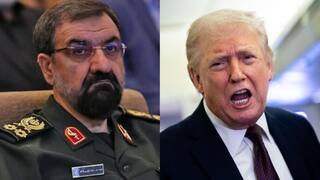
The negotiations are scheduled to take place in Muscat, Oman. This meeting comes at a time of heightened tensions between the two nations.
Explorer
US–Iran Nuclear Talks Set To Begin As Washington Boosts Military Presence In Arabian Sea
US and Iran officials head to Oman for direct talks as military tensions rise, testing whether diplomacy can prevent a deeper regional crisis.

While the United States has voiced alarm over Iran’s internal actions, Tehran has rejected international criticism, calling it interference in its domestic affairs.
Source : Facebook
Senior officials from the United States and Iran are preparing for high-stakes, face-to-face negotiations in Oman, as fears grow that prolonged hostility could spiral into open conflict. The talks, scheduled to take place in Muscat, come at a moment of heightened tension following a fresh US military buildup in the Middle East and Iran’s violent suppression of recent anti-government protests.
The diplomatic effort nearly collapsed due to uncertainty over the format and location of the discussions. However, regional intermediaries stepped in to salvage the initiative, keeping communication lines open between Washington and Tehran. Observers say the talks reflect a fragile but necessary attempt to cool a relationship strained by years of mistrust, sanctions, and military brinkmanship.
Diplomatic Push Amid Rising Pressure
The negotiations follow a major US force deployment to the region, triggered by Iran’s crackdown on nationwide protests last month. Human rights groups allege that the crackdown led to thousands of deaths, adding another layer of complexity to already strained relations. While the United States has voiced alarm over Iran’s internal actions, Tehran has rejected international criticism, calling it interference in its domestic affairs, reported BBC.
Despite the tense backdrop, both sides have agreed to sit across the table, underscoring the risks of further escalation.
Washington & Tehran At Odds Over Scope
The United States is pushing for comprehensive discussions that go beyond Iran’s nuclear activities. American officials want Tehran to dismantle its enriched uranium reserves, curb its ballistic missile program, rein in support for armed groups across the region, and address alleged human rights violations. Iran, however, has drawn a firm line, insisting the talks be confined strictly to nuclear-related issues.
Iran’s Foreign Minister Abbas Araqchi is leading Tehran’s delegation and is expected to engage with President Trump’s special envoy Steve Witkoff and presidential adviser Jared Kushner. Whether the sharply different expectations can be reconciled remains uncertain.
Military Signals Underscore Fragile Talks
On Thursday, White House press secretary Karoline Leavitt reiterated that President Trump prefers a diplomatic solution, saying he hopes for progress in Oman while insisting Iran must achieve “zero nuclear capability.” She also warned that the President retains “many options” if talks fail, reported India Today.
Meanwhile, US Central Command confirmed that the USS Abraham Lincoln and its strike group are conducting routine operations in the region. Tensions intensified earlier this week when US fighter jets shot down an Iranian drone near the carrier. Trump has previously described the US military presence as an “armada,” reinforcing the message that force remains an option.
Iran has responded with warnings of retaliation, threatening to target US forces in the region and Israel if attacked, casting a long shadow over the fragile diplomatic effort.
Related Video
Peace Watch: Mojtaba Khamenei Reportedly Agrees to US Talks Amid War
Frequently Asked Questions
Where are the high-stakes negotiations between the US and Iran taking place?
Why are the US and Iran holding face-to-face negotiations?
The talks are a diplomatic effort to cool a relationship strained by years of mistrust, sanctions, and military brinkmanship. They are seen as a necessary attempt to avoid open conflict.
What are the main points of contention between the US and Iran regarding the scope of the talks?
The US wants comprehensive discussions covering Iran's nuclear activities, uranium reserves, missile program, support for armed groups, and human rights. Iran insists the talks be confined strictly to nuclear-related issues.
What military actions have occurred recently that underscore the fragile nature of these talks?
US fighter jets shot down an Iranian drone near the USS Abraham Lincoln carrier. Iran has responded with warnings of retaliation if attacked.

Advertisement
Top Headlines
India

Kerala: Viral woman accuses director of sexual misconduct
India

UP Police arrests 6 more in Shrvasti iftar party case; total arrests now stand at 10
India

Nation can advance only through inclusive development: Adityanath
India
12,732 raids conducted across UP since Mar 12 to check black marketing of LPG cylinders, 16 held



Advertisement




Advertisement
See Today's Weather 
powered by

Dr Prosenjit NathThe writer is a technocrat, political analyst, and author.
Opinion