'No Ads Without Self-Declaration Certificate': Centre Tightens Noose Around Misleading Ads After SC Order In Ramdev's Case
Following a direction by the Supreme Court in the Patanjali misleading advertisements case, the Centre recently issued a directive requiring all advertisers to submit a 'self-declaration certificate'
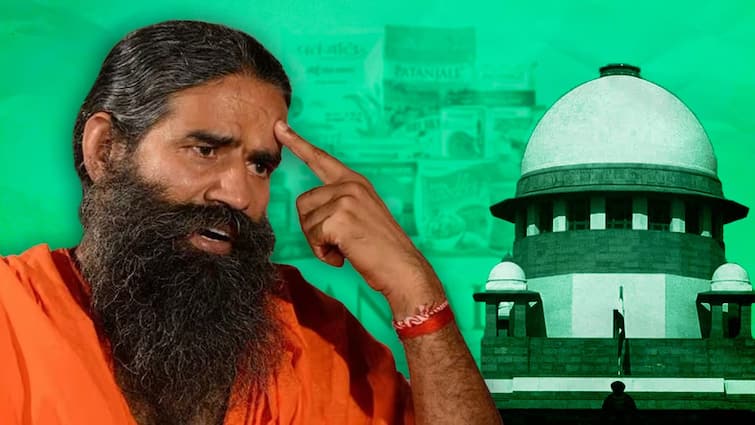
Following a direction by the Supreme Court in the Patanjali misleading advertisements case, the Union Ministry of Information and Broadcasting (MIB) recently issued a directive requiring all advertisers to submit a 'self-declaration certificate' before publishing or broadcasting any advertisements. The Ministry said press release stated that no advertisement will be permitted to run on television, print media, or the internet without a valid self-declaration certificate.
However, the press release clarified that current advertisements will not require the self-certification.
"Following the Hon’ble Supreme Court’s directive, the Ministry of Information and Broadcasting has introduced a new feature on the Broadcast Seva Portal of the Ministry of Information and Broadcasting (MIB) for TV and Radio Advertisements and on Press Council of India’s portal for Print and Digital/Internet Advertisements. The certificate, signed by an authorised representative of the advertiser/advertising agency, needs to be submitted through these portals," the PIB release said.
The MIB has introduced a new feature on the Broadcast Seva Portal for television and radio advertisements and on the Press Council of India’s portal for print and digital advertisements, release by Press Information Bureau (PIB) informed.
According to the new release, the advertiser needs to submit a certificate signed by an authorised representative through these portals, which are now active.
"The portal will be activated on 4th June, 2024. The Self-Declaration Certificate is required to be obtained by all advertisers and advertising agencies for all new advertisements that will be issued/telecast/aired/published on or after 18th June, 2024. A buffer period of two weeks has been kept for providing sufficient time to all stakeholders to familiarise themselves with the process of self- certification," the PIB release by MIB stated.
The self-declaration certificate is to certify that the advertisement (i) does not contain misleading claims, and (ii) complies with all relevant regulatory guidelines, including those stipulated in Rule 7 of the Cable Television Networks Rules, 1994 and the Norms of Journalistic Conduct of Press Council of India.
The release further informed that the advertiser must provide proof of uploading the Self-Declaration Certificate to the relevant broadcaster, printer, publisher, or electronic media platform for their records.
"As per the Hon’ble Supreme Court’s directive, no advertisement will be permitted to run on television, print media, or the internet without a valid Self-Declaration Certificate. The Hon’ble Supreme Court directive is a step towards ensuring transparency, consumer protection, and responsible advertising practices. The Ministry of Information & Broadcasting urges all advertisers, broadcasters and publishers to adhere to this directive diligently."
On May 7, a Supreme Court bench of Justices Hima Kohli and Ahsanuddin Amanullah while hearing contempt case against Baba Ramdev and Patanjali Ayurveda MD Balakrishna expressed displeasure at continuation of misleading advertisements on various channels, internet and websites despit top court's rebuke. The court asked why the advertisement of banned products were still playing across media channels.
In a significant development, the Supreme Court after hearing the case ordered the broadcasters to file a self-declaration form before carrying any advertisements, assuring that the advertisement to be carried on its platform complies with Cable Network Rules, Advertising Code etc.
"As a tide over measure, we deem it appropriate to direct that a self declaration be obtained before an advertisement is permitted ... self-declaration is to be obtained for advertisement on the lines of 1994 Cable TV Network Rules, Advertising Code etc," the bench said.
Supreme Court further emphasised that Celebrities, Social Media Influencers are equally liable for misleading advertisements, if they endorse any deceptive product or service.
"We are of the opinion that the advertisers or the advertising agencies or endorsers are equally responsible for issuing false and misleading advertisements," the court said.
Before You Go
Twisha Sharma Case: CBI Chargesheet Says Death Was Suicide
Top Headlines