Top Flower Valleys In India Every Nature Lover Must Visit
Discover breathtaking flower valleys in India that are filled with vibrant blooms, scenic landscapes, and serene trails. These places offer the ideal getaways for nature lovers and adventure seekers.

India is home to some of the most breathtaking natural landscapes. Nestled amidst the hills, forests, and snowy peaks, these valleys transform into a colourful wonder, offering a spectacular sight that feels almost otherworldly. Blanketed in rare and seasonal wildflowers, these natural gardens are a haven for trekkers, photographers, and nature lovers. The air here has a delicate floral scent with area surrounded by the echoes of birds and rustling. These destinations in India are ideal for eco-tourism and spiritual rejuvenation that promises not just a visual delight, but also a deep connection with nature.
ALSO READ: 5 Hill Stations In India Where You Can Find Snow In June
1. Valley Of Flowers, Uttarakhand
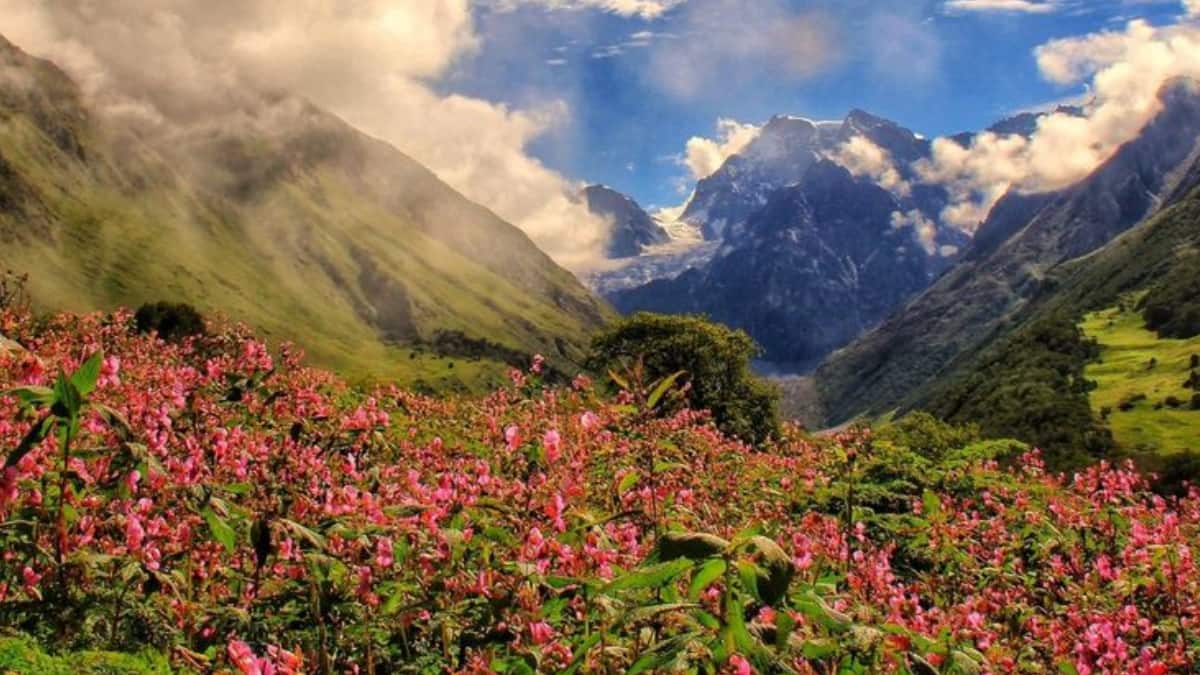
The Valley of Flowers in Uttarakhand is a UNESCO World Heritage Site known for its stunning alpine meadows that are covered with vibrant blooms. It’s located at an altitude of approximately 12,000 feet in the Chamoli district. The best time to visit this destination if from mid-July to early September, when the valley fully blooms after the monsoon season. During this time, the valley showcases over 500 species of wildflowers, including blue poppies, orchids, primulas, marigolds, and daisies. The Valley of Flowers is surrounded by snow-capped peaks and gushing streams. It also has rare medicinal plants and diverse fauna like Himalayan monal and snow leopard. Accessible via a moderate trek from Govindghat, this destination in Uttarakhand offers a chance to experience the untouched Himalayan beauty and biodiversity.
2. Kaas Plateau, Maharashtra
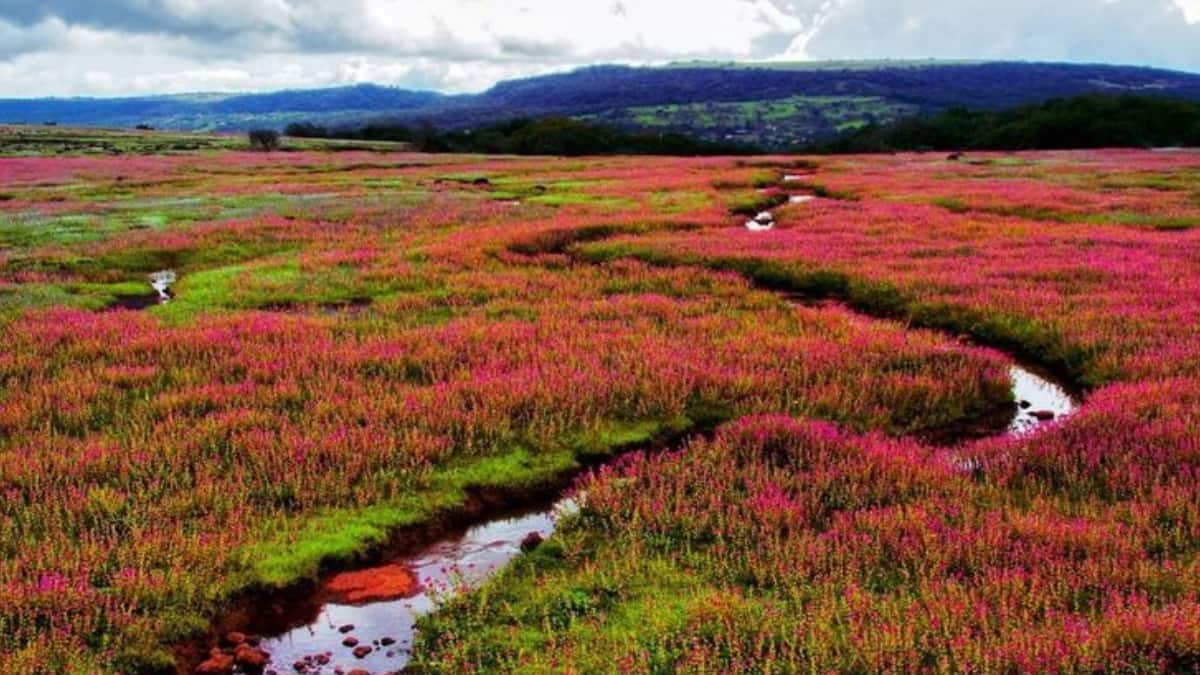
Also known as the “Valley of Flowers of Maharashtra,” the Kaas Plateau is a UNESCO World Heritage Site near Satara. This plateau transforms into a floral wonderland between late August and early September. This place in Maharashtra has over 850 species of flowers, including orchids, balsams, and carnivorous plants like Drosera. Kaas is also rich in biodiversity and home to several endemic and rare species. The visitor entry to this area is regulated which ensures the destination’s conservation. A trip to Kaas Plateau offers a peaceful and colourful treat to those who are looking for serenity, calmness, and relaxation.
3. Yumthang Valley, Sikkim
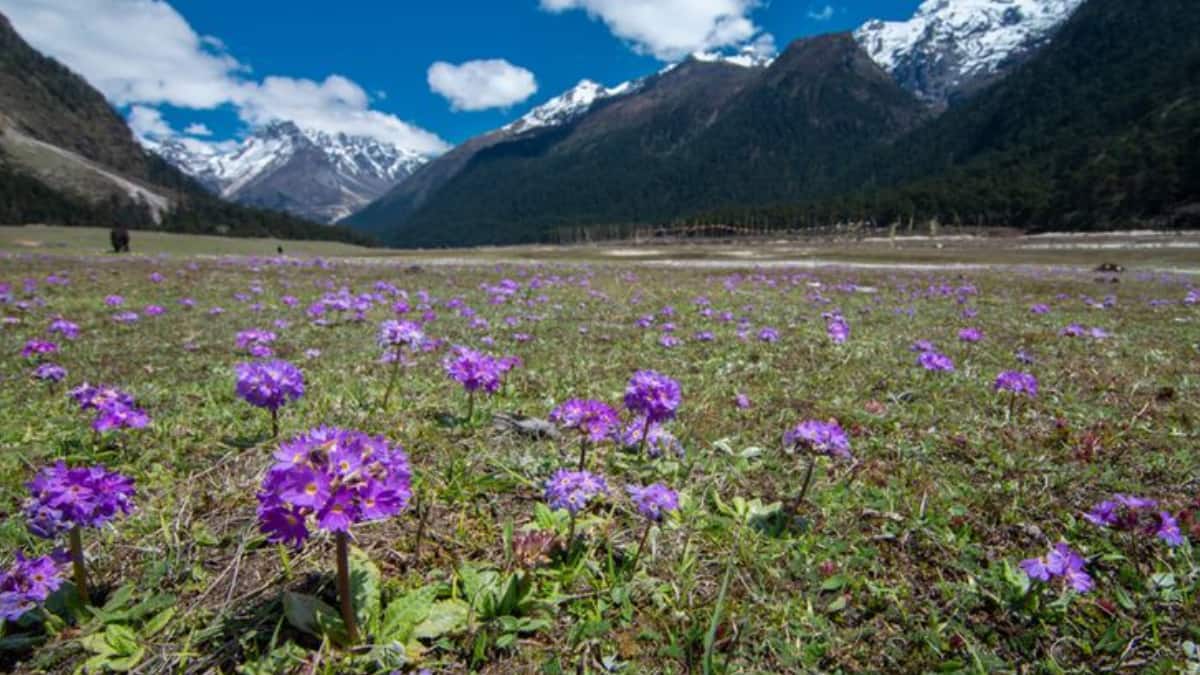
Yumthang Valley is an alpine destination that’s located at an altitude of 3,564 meters in North Sikkim. From late February to mid-June, the valley becomes a colourful display with over 24 varieties of rhododendrons in full bloom, along with primulas, irises, poppies, and others. The Yumthang River adds up to the grace and beauty of the place. The Shingba Rhododendron Sanctuary, located within the valley, offers a true haven for botany lovers and photographers. Travel here requires an official permit, and the trip is usually a scenic ride from Gangtok to Lachung, followed by a shorter trip to Yumthang.
4. Dzukou Valley, Nagaland And Manipur
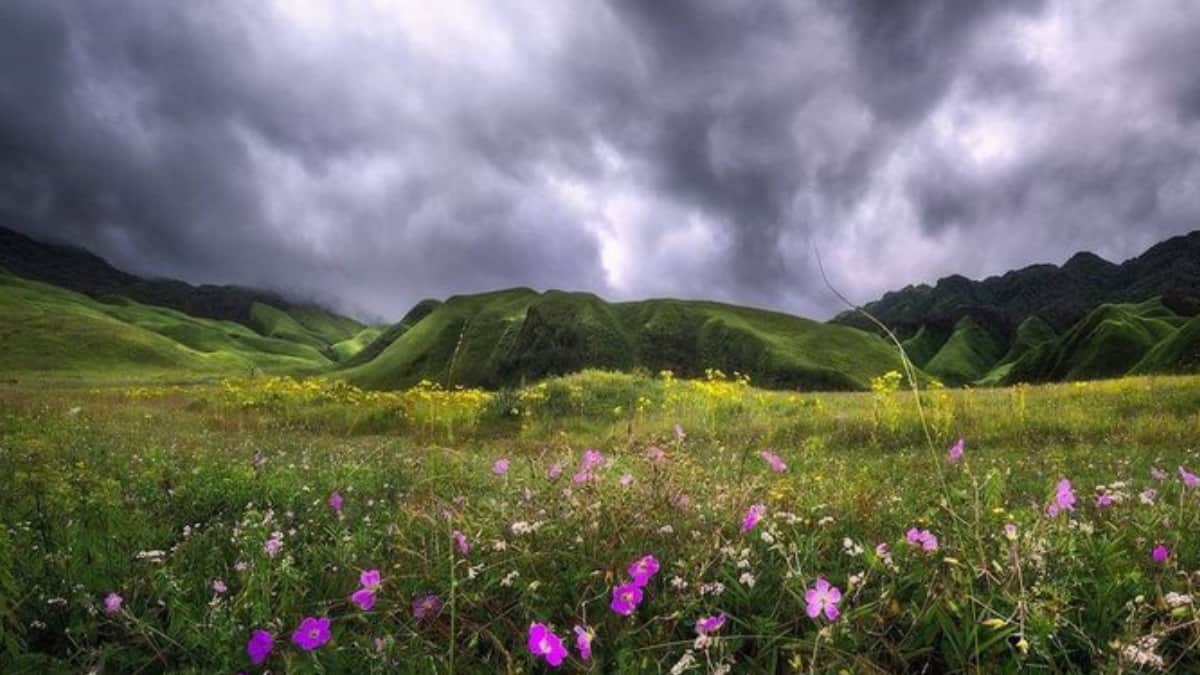
Dzukou Valley is a quiet paradise that is known for its gorgeous green meadows, sparkling streams, and rich floral diversity. It’s perched at an elevation of 2,452 meters between Nagaland and Manipur. This destination, on the border of two states, is often referred to as “Valley of Flowers of the Northeast.” The ideal time to explore the valley is between April and September, with July being the highlight as the native Dzukou Lily and over 300 other flower species bloom in shades of white, pink, and yellow. Trekking from the villages of Viswema or Zakham is required with the effort rewarded by the mesmerising scenery.
5. Munnar, Kerala
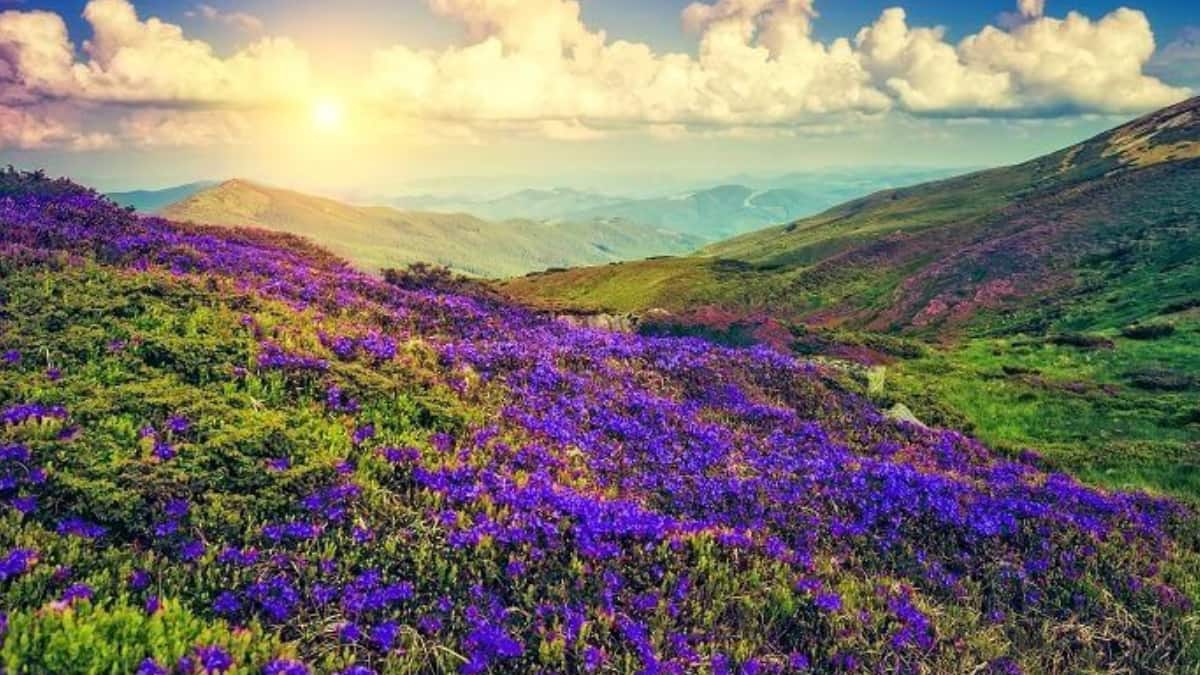
Nestled in the Western Ghats of Kerala, Munnar is a picturesque hill station that’s known for its lush greenery, rolling tea gardens, and vibrant flower valleys. During the blooming season, the hills come back to life with a variety of wildflowers, including balsams, orchids, anemones, and the rare Neelakurinji, which booms once every 12 years. The cool climate and the misty mornings of the area contribute to its magical charm. Munnar also has several botanical gardens and spice farms that enhance the natural beauty. The best time to visit is from August to March. The weather here is pleasant and serves an enchanting backdrop of flowers, wildlife sightings, and more.

Top Headlines