Adulterated khoya can be made from synthetic milk, starch, refined flour, potato paste, vegetable fat, or milk powder. Sometimes, harmful chemicals are added to mimic the texture and color of real khoya.
Explorer
Holi 2026: Buying Khoya For Gujiya? Spot Fake Mawa In 1 Minute Before It Harms Your Family
Planning to buy khoya for Holi sweets? Learn simple home tests to identify real and fake mawa and protect your family from harmful adulteration this festive season.

Before preparing Holi sweets, check whether your khoya is pure or adulterated.
Source : ABPLIVE AI
- Adulterated khoya floods markets during festivals, posing health risks.
- Fake mawa contains synthetic milk, starch, or harmful chemicals.
- Simple tests identify real khoya: rub, smell, water, iodine, heat.
- Buy from trusted sources or make khoya at home.
With Holi just days away, kitchens across India are buzzing with preparations for gujiyas, barfis and festive treats. But amid the excitement lies a serious concern, adulterated khoya flooding the markets. As demand surges during the festive season, so does the risk of fake mawa making its way into homes. The question is, are you bringing home purity or potential harm?
Food adulteration cases tend to spike before major festivals, and khoya remains one of the most commonly tampered dairy products. Here’s how you can protect your family with a few simple checks.
ALSO READ: Holi 2026: Pre And Post Skincare Routine You Should Follow Before And After Playing With Colours
What Is Fake Khoya Made Of?
Adulterated khoya is often prepared using synthetic milk, starch, refined flour, potato paste, vegetable fat or milk powder. In some cases, harmful chemicals are added to mimic texture and colour. While it may look similar to genuine mawa, consuming it can lead to stomach cramps, food poisoning, vomiting, diarrhoea, allergies and long-term health complications. Children and elderly family members are especially vulnerable.
Easy Ways To Identify Real vs Fake Mawa
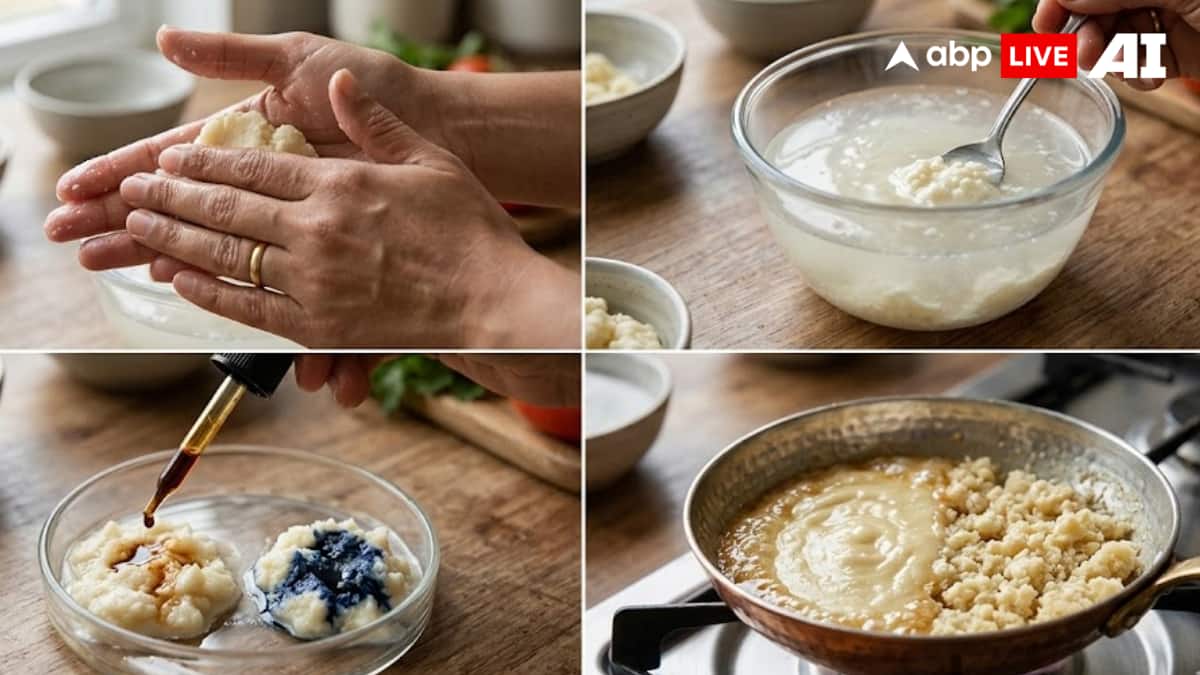
- Rub Test: Take a small portion and rub it between your palms. Pure khoya feels smooth and leaves a slight oily trace. If it feels sticky, overly hard or unusually dry, it may be adulterated.
- Smell And Taste Check: Authentic khoya carries a mild milky aroma and slightly sweet flavour. A bitter, sour or artificial smell should immediately raise suspicion.
- Water Test: Add a small amount of khoya to warm water and stir. Pure khoya dissolves gradually, giving a milk-like appearance. If the water turns excessively white or separates into grainy particles, adulteration is likely.
- Iodine Test: Mix khoya with warm water and add a few drops of iodine tincture. If the mixture turns blue, starch has been added. No colour change indicates purity.
- Heating Test: Heat khoya with a little sugar. Genuine khoya thickens after releasing moisture, while fake versions may turn powdery or resemble rabri.
Health Risks You Shouldn’t Ignore
Consuming adulterated khoya can cause food poisoning, digestive distress, allergic reactions and even liver or kidney complications over time.
What appears to be a festive indulgence can quickly become a medical emergency if caution is ignored.
Smart Buying Tips For Holi 2026

- Purchase only from reputed, hygienic shops
- Avoid unusually cheap or overly white, shiny khoya
- Be cautious of brightly coloured sweets
- When possible, prepare khoya at home using full-cream milk
Making khoya at home is simple, simmer full-cream milk on low heat, stirring continuously until it thickens completely. It may take time, but it guarantees purity.
Festivals are meant to bring joy, not health scares. This Holi, take a moment to test your khoya before you prepare sweets. A little awareness today can prevent serious health risks tomorrow.
Frequently Asked Questions
What is adulterated khoya made of?
What are the health risks of consuming adulterated khoya?
Consuming adulterated khoya can lead to stomach cramps, food poisoning, vomiting, diarrhea, and allergic reactions. Long-term consumption may cause liver or kidney complications.
How can I test if khoya is pure at home?
You can perform a rub test, smell and taste check, water test, iodine test, or a heating test. For example, pure khoya feels smooth and leaves an oily trace, while starch is detected by a blue color change with iodine.
What are some smart buying tips for khoya during festivals?
Purchase khoya only from reputed and hygienic shops. Avoid khoya that is unusually cheap, overly white, or shiny. Be cautious of brightly colored sweets.

Top Headlines
Lifestyle

PM Modi Wears Red Tie-And-Dye Turban For 80th Independence Day: WATCH
Lifestyle

Pet First | 7 Easy Ways To Keep Your Pet’s Bedding Clean, Fresh And Dry
Lifestyle

Budget Traveller | Visit Khatkar Kalan, Bhagat Singh’s Ancestral Village, And Hussainiwala, His Cremation Site, Under Rs 7,000
Lifestyle

Naag Panchami On August 16 Or 17? Know The Correct Date, Puja Muhurat And Rules For Worshipping Nag Devta














See Today's Weather 
powered by