Handloom And Khadi Fabrics Experience A Modern Revival
Khadi and handloom fabrics, once symbols of India's independence, blending tradition with modern fashion while empowering artisans and promoting sustainable craftsmanship.

Handwoven fabric known as Khadi is an essential textile component throughout Indian historical and cultural heritage. Before India gained independence, the people used khadi for more than five millennia, while Mahatma Gandhi popularised it as a local independence symbol during India's independence era. The production of khadi experiences contemporary growth as this traditional fabric develops combined traditional and present-day approaches while achieving international acceptance.
ALSO READ: Dying Art Forms of India — A Journey Through Forgotten Traditions
The Art Of Khadi
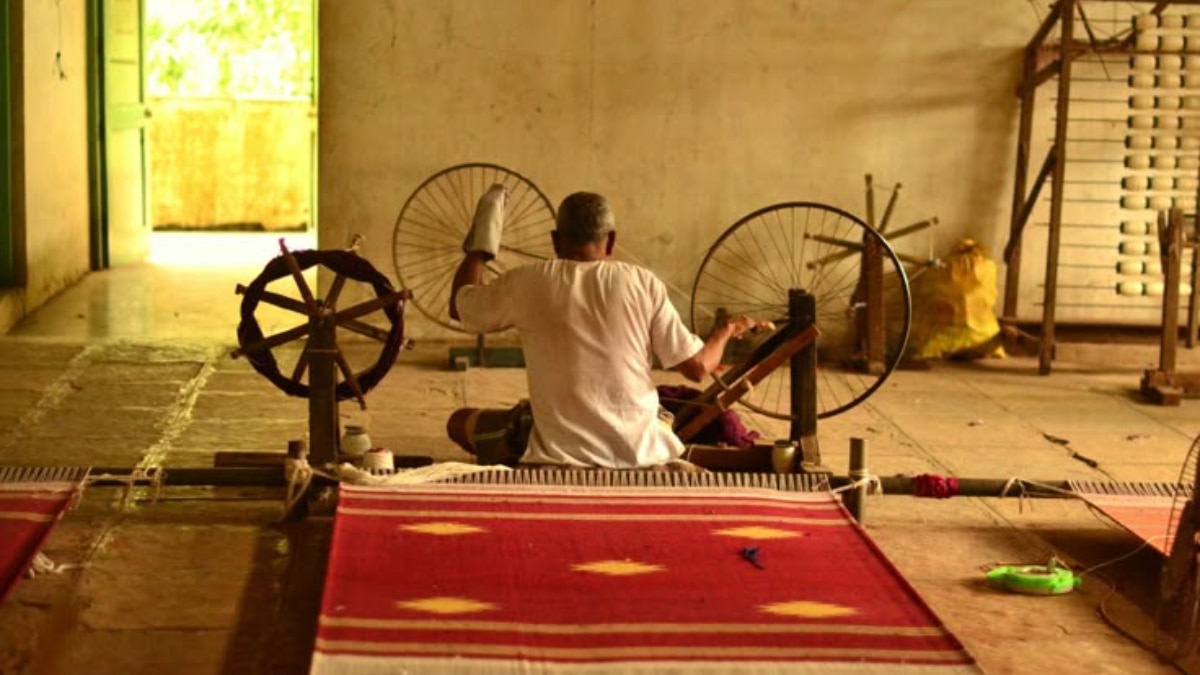
Making khadi is a time-consuming process that includes spinning cotton wool or silk fibres with a charkha and weaving those fibres on handlooms. This sustainable fabric is eco-friendly, requiring minimal electricity and water. The resurgence of Khadi has been driven by initiatives like "Khadi for Nation, Khadi for Fashion," making it a popular choice among designers and younger generations. More than 400,000 skilled workers are actively employed in this sector, with many women workers contributing to rural economic development.
Revival Of Handloom And Khadi
The handloom and khadi industries struggled against the competition of mass production and power looms even though they maintained a prosperous historical background. A fresh effort has emerged to restore ancient weaving practices. Handloom textiles have found their centre in Jaipur and Ahmedabad cities, which now draw worldwide industry attention. Handwoven fabrics now enjoy greater market demand because customers prefer expensive khadi products which include silk and wool components that create luxurious textiles.
Khadi: A Blend Of Tradition, Sustainability, And Modern Innovation
Modern design elements merge with traditional heritage values to represent the developing cultural aspects in India's textile industry through khadi fabrics. The fabric that served political resistance in the past now stands as a representation of environmental sustainability along with artistic skill and modern design innovation. The ongoing support for artisans, along with efforts to protect traditional weaving, makes khadi exist today as a living tribute to India's extended textile traditions within international fashion circuits. Khadi and handloom fabrics, once symbols of resistance, now stand as testaments to India’s enduring craftsmanship, sustainability, and evolving cultural identity in the modern world.
Top Headlines