You should be able to easily feel your pet's ribs without pressing hard. Also, healthy pets typically have a visible waistline when viewed from above.
Explorer
ABP Live Pet First | Is Your Pet Overweight? Simple Ways To Fix It Safely
ABP Live Pet First: Is your dog or cat gaining unhealthy weight? Know safe, vet-approved ways to help overweight pets slim down without stress or starvation.

Simple daily habits can help overweight pets regain health, energy, and mobility.
Source : ABPLIVE AI
- Recognize pet obesity through rib feel and waistline.
- Control portions and stop free feeding for pets.
- Choose specific weight management diets for pets.
- Increase pet activity gradually and safely.
Extra cuddles may feel adorable, but hidden beneath that soft cuteness could be a serious health concern. Pet obesity is rising rapidly, and many pet parents don't even realise their furry companion has crossed into the danger zone. Just like humans, excess weight in pets can quietly trigger diabetes, joint pain, heart strain, breathing issues, and a shorter lifespan.
The good news? Helping your pet lose weight doesn’t mean harsh dieting or exhausting routines. With small, consistent, and safe changes, pets can return to a healthier, happier version of themselves. Here are simple, effective, and vet-approved ways to help an overweight pet slim down safely.
ALSO READ: ABP Live Pet First | 8 Fruits That Are Good For Your Pet And Safe To Add To Their Diet
1. Learn How To Spot Pet Obesity Early

Pet obesity often goes unnoticed because weight gain happens gradually. Many pet parents assume slower movement or laziness is just “normal ageing,” when in reality, it’s excess weight putting pressure on joints and organs. A simple test can help: when you run your hands along your pet’s ribs, you should feel them easily without pressing hard. If you can’t, your pet may be overweight. Another red flag is the loss of a visible waistline. Viewed from above, healthy pets usually have a slight inward curve behind the ribs. If your pet looks round or barrel-shaped, it’s time to reassess. Early recognition matters because obesity-related damage begins internally long before it becomes obvious. Addressing weight gain at this stage prevents long-term health complications and reduces the need for aggressive interventions later.
2. Stop Free Feeding And Control Portion Size

One of the biggest contributors to pet obesity is free feeding, leaving food out all day. Pets, especially indoor cats and food-motivated dogs, often eat out of boredom rather than hunger. Controlled portions bring structure back to their eating habits and help regulate metabolism. Measure food using a standard cup instead of estimating. Follow feeding guidelines based on your pet’s ideal weight, not current weight. Split meals into two or three smaller servings to keep energy levels stable and prevent overeating. It’s also important to resist emotional feeding. Treats given out of guilt or affection quickly add up.
3. Choose The Right Diet For Weight Management
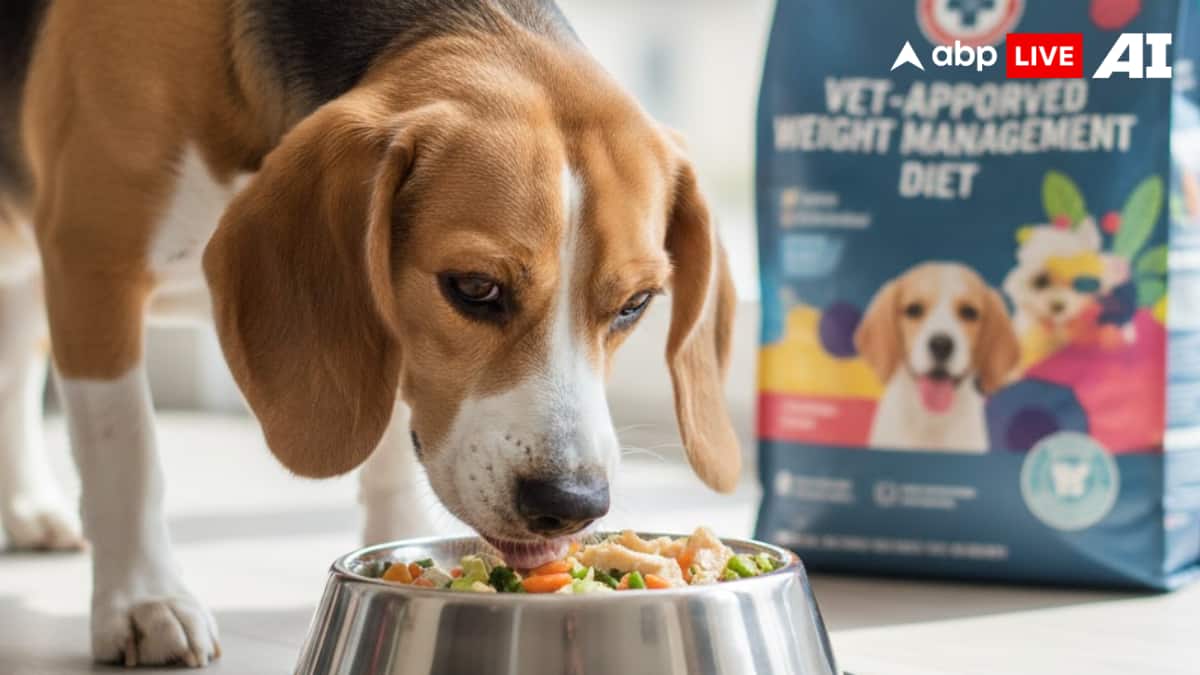
Not all pet foods are created equal. Many commercial foods marketed as “healthy” are calorie-dense and high in fillers. Switching to a vet-recommended weight management formula can make a significant difference without reducing food volume. Look for diets high in lean protein and fibre. Protein supports muscle mass during weight loss, while fibre keeps pets feeling full for longer. Avoid sudden food changes; instead, transition gradually over 7–10 days to prevent digestive issues. Homemade food should only be introduced under veterinary guidance, as nutritional imbalance can cause deficiencies.
4. Increase Physical Activity Without Overdoing It

Exercise is crucial, but it must be tailored to your pet’s age, breed, and current fitness level. For overweight pets, sudden intense activity can strain joints and worsen pain. Start slow and build consistency instead of intensity. For dogs, short but frequent walks work better than one long walk. Gentle play like fetch on soft surfaces or swimming burns calories without joint stress. For cats, interactive toys, laser pointers, and climbing shelves encourage movement naturally. Consistency matters more than duration. Even 15–20 minutes of daily activity can significantly improve metabolism, mood, and mobility over time.
5. Cut Down On Treats

Treats are often the silent saboteurs of pet weight loss. Many store-bought treats contain as many calories as a small meal. Instead of eliminating treats completely, replace them with healthier alternatives. Use low-calorie treats, small portions of boiled vegetables, or even a few pieces of their regular kibble as rewards. Treats should make up no more than 10% of daily calorie intake. Affection doesn’t always need food. Verbal praise, playtime, belly rubs, and attention can be just as rewarding for pets.
6. Track Progress And Involve Vets

Weight loss in pets should always be monitored. Weigh your pet every two to four weeks and note changes in energy, mobility, and behaviour. Healthy weight loss is gradual, around 1–2% of body weight per week. If progress stalls, a vet can adjust calorie intake, recommend therapeutic diets, or identify underlying issues like thyroid imbalance or arthritis. Professional guidance ensures weight loss remains safe and effective. Regular check-ins also help maintain motivation.
[Disclaimer: The information provided in this article is intended for general informational purposes only. It is not a substitute for professional veterinary advice, diagnosis, or treatment. Always consult a qualified veterinarian regarding your pet’s health, diet, or any medical concerns.]
Frequently Asked Questions
How can I tell if my pet is overweight?
Why should I stop free feeding my pet?
Free feeding can lead to overeating, especially in bored pets. Controlled portions help regulate metabolism and prevent weight gain.
What kind of food is best for a pet trying to lose weight?
Opt for a vet-recommended weight management formula that is high in lean protein and fibre. This supports muscle and helps them feel full.
How much exercise is appropriate for an overweight pet?
Start with short, frequent activities like gentle walks or play sessions. Tailor exercise to your pet's age and fitness level to avoid joint strain.
Should I cut out treats completely when my pet is overweight?
You can reduce treats by replacing them with healthier, low-calorie alternatives or using their regular kibble as rewards.

Top Headlines
Lifestyle

Astro Analysis | Why Calling Someone From Behind Is Considered A Bad Omen
Lifestyle

Sawan 2026: Giant Lord Hanuman Idol In Kanwar Yatra Video Grabs Attention | WATCH
Lifestyle

Astro Analysis | How Will 2027 Hold Promise For The Modi Government? India's Horoscope Holds A Major Clue To The Gen-Z Movement
Lifestyle

Astro Analysis | Freedom Sale 2026: Students Should Buy These 8 Items To Boost Career And Bring Prosperity










See Today's Weather 
powered by