US-China Trade Truce: Trump And Xi Suspend Port Fees, Easing $3.2 Billion Shipping Burden
The temporary truce, announced post talks in South Korea on Thursday, provides a 12-month pause on fees estimated to cost $3.2 billion annually for large Chinese-built vessels calling at US ports.
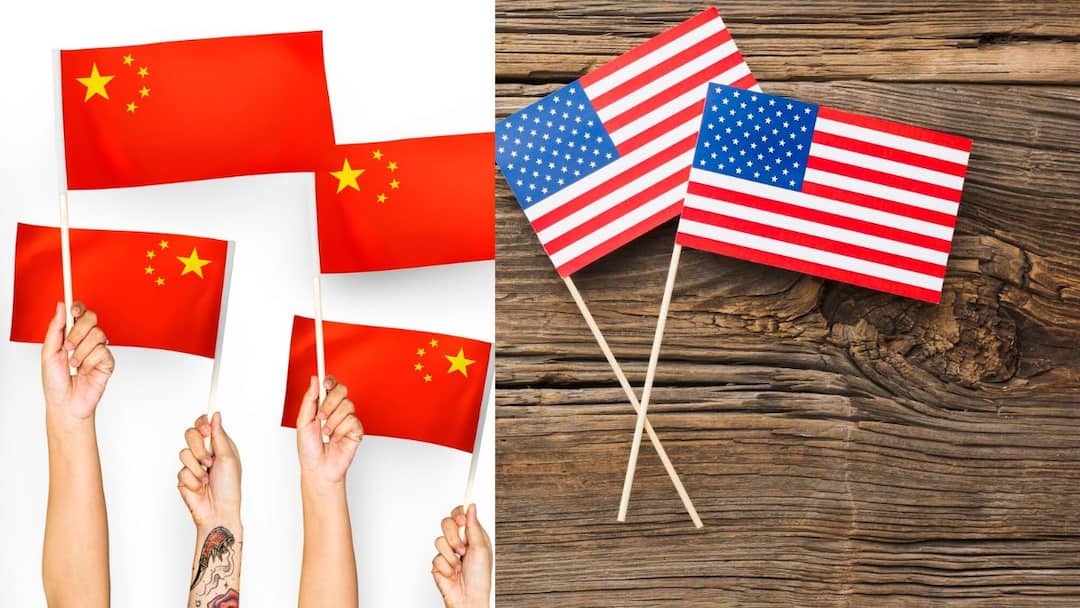
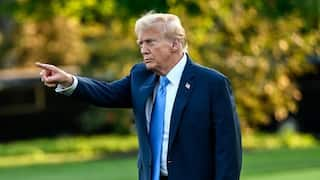
US President Donald Trump and Chinese President Xi Jinping have agreed to suspend duelling port fees that had emerged as a major flashpoint in their countries' ongoing trade rivalry.
The temporary truce, announced post talks in South Korea on Thursday, provides a 12-month pause on fees estimated to cost $3.2 billion annually for large Chinese-built vessels calling at US ports, reported Reuters.
The decision is being hailed as a breakthrough for the global shipping industry, which has struggled with rising costs and supply chain turbulence stemming from the tit-for-tat levies.
Analysts say the pause could ease financial strain on operators and bring temporary calm to the choppy waters of US-China trade relations.
Background: The Section 301 Dispute
Earlier this year, the Trump administration introduced fresh penalties on China-linked ships under Section 301, a trade enforcement tool aimed at addressing what Washington described as Beijing's "unfair domination" of the global maritime and shipbuilding sectors. The measures included steep fees on Chinese-built vessels and a 100 per cent tariff on port cranes manufactured in China.
US Treasury Secretary Scott Bessent confirmed on Fox Business Network that the Section 301 penalties had been put on hold. The US Trade Representative’s office has yet to clarify whether the suspension extends to other maritime-related tariffs, such as those targeting non-Chinese auto carriers built abroad.
In a statement, China’s Ministry of Commerce said the suspension applied to penalties concerning its maritime, logistics, and shipbuilding sectors. Beijing, in turn, agreed to halt its own countermeasures against US-linked ships. The ministry framed the decision as a mutually beneficial step toward stabilising global supply chains.
Industry Relief but Lingering Doubts
The move has been warmly received by the shipping community, which had warned that the escalating fees were inflating operating expenses and ultimately driving up consumer prices. Both Chinese state-owned COSCO and US-based Matson were among the companies hit hardest by the dispute, with operators reporting millions in additional costs and frequent vessel delays.
Singapore-based High-Trend International Group, a major ocean transport provider, said the suspension brings "immediate, material benefits." In a statement, the company noted, "The suspension removes a long-standing cost and policy overhang that had affected HTCO’s maritime logistics and carbon-neutral initiatives. This development is expected to significantly reduce cross-border shipping costs, improve cash-flow stability, and strengthen investor confidence in HTCO’s growth strategy."
However, industry leaders also voiced caution, stressing that the agreement must evolve into something more lasting. Simon Heaney, senior manager of container research at Drewry, commented on LinkedIn, "I sincerely hope this agreement has some permanency, something sorely lacking thus far, that will allow the shipping industry to get on with its core purpose - facilitating global commerce."
Impact on China’s Shipbuilding Orders
Treasury Secretary Bessent said even the threat of Section 301 tariffs had already dampened international demand for China-built ships. “Chinese shipbuilders have seen substantial diminution or decreases in their order books,” he said.
While overall global ship orders have dipped this year, data from the Center for Strategic and International Studies (CSIS), citing S&P Global figures, shows China still commands a dominant position. In the first eight months of 2025, Chinese shipyards captured 53 per cent of all new orders by tonnage.
Related Video
Union Budget 2025: Arvind Kejriwal lists the shortcomings of the Modi government's budget | ABP News | AAP



Top Headlines