S&P Global has increased India's GDP growth estimate for FY27 by 40 basis points to 7.1 percent, indicating sustained economic momentum.
Explorer
Good News On Growth, Warning On Oil: What S&P Just Said About India’s Economy
S&P has raised India’s growth outlook, but rising crude prices and global tensions could push inflation higher and test the economy’s resilience.
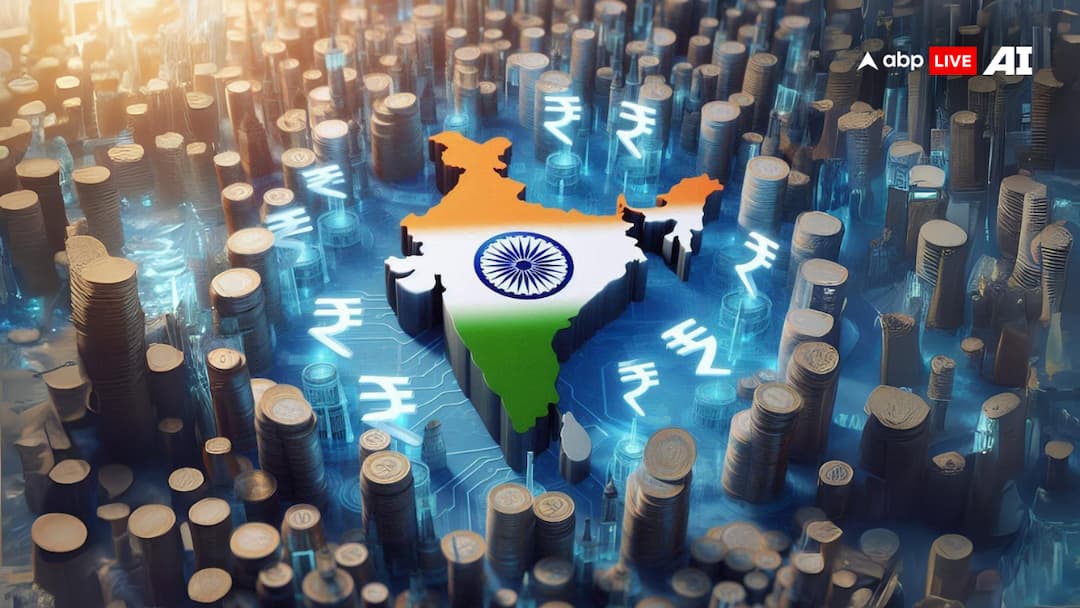
Stronger growth projections come with caution as energy costs threaten to disrupt the broader economic balance.
Source : ABPLIVE AI
- S&P Global raises India's GDP forecast to 7.1% for FY27.
- RBI likely to maintain status quo on interest rates, suggests S&P.
- Inflation projected to rise to 4.3% in FY27 due to energy costs.
India’s economic growth story continues to hold firm, even as global uncertainties persist. In its latest assessment, S&P Global has upgraded India’s GDP forecast, signalling confidence in the country’s resilience, but with a clear warning on rising energy risks.
The revised projections come at a time when global markets are navigating geopolitical tensions, volatile crude oil prices and shifting monetary policy expectations.
S&P Raises India’s Growth Forecast
S&P Global has increased India’s GDP growth estimate for FY27 by 40 basis points to 7.1 per cent, highlighting sustained economic momentum, reported Moneycontrol.
The ratings agency also revised its medium-term outlook upwards. Growth for FY28 has been raised by 20 basis points to 7.2 per cent, while FY29 projections have been increased by 20 basis points to 7.0 per cent.
These upgrades indicate that India’s expansion is expected to remain strong over the next few years, supported by domestic demand and structural factors.
RBI Likely To Stay On Hold
On the monetary policy front, S&P expects the Reserve Bank of India to maintain the status quo on interest rates.
The central bank is likely to continue with a neutral stance, balancing the need to support growth while keeping inflation under control. This suggests that policymakers are unlikely to make aggressive moves unless there is a significant shift in economic conditions.
Inflation Risks Back On Radar
Despite the upbeat growth outlook, inflation concerns are resurfacing. S&P Global has projected consumer price inflation to rise to 4.3 per cent in FY27, up from 2.5 per cent in FY26.
The primary trigger: rising fuel prices and elevated crude oil levels.
Higher energy costs tend to filter through the economy, impacting transportation, manufacturing and overall cost structures, eventually pushing up consumer prices.
Moody’s Flags Downside Risks
While S&P’s outlook remains optimistic, Moody’s Analytics has taken a more cautious view.
According to Moody’s, India could face one of the sharpest economic setbacks in the Asia-Pacific region if the ongoing West Asia conflict continues.
The report suggests that output could fall by nearly 4 per cent from its baseline path under adverse conditions. India has been identified as one of the most vulnerable major economies in the region, alongside South Korea and China.
Why India Is Vulnerable
The vulnerability stems largely from India’s dependence on energy imports, particularly oil and gas from Gulf nations. Any disruption in these supplies or sustained high prices can have a cascading effect on the economy.
A rise in energy costs could lead to higher inflation, a widening trade deficit and pressure on consumer demand. This creates a delicate balance for policymakers, who must manage growth while navigating external shocks.
Frequently Asked Questions
What is India's projected GDP growth rate for FY27 according to S&P Global?
What is the Reserve Bank of India's likely stance on interest rates?
S&P expects the Reserve Bank of India to maintain the status quo on interest rates and continue with a neutral stance.
What is the projected consumer price inflation for FY27?
S&P Global projects consumer price inflation to rise to 4.3 percent in FY27, up from 2.5 percent in FY26, largely due to rising fuel prices.
What are the potential risks India faces according to Moody's Analytics?
Moody's Analytics suggests India could face significant economic setbacks if the West Asia conflict continues, impacting output by nearly 4 percent.
Why is India considered vulnerable to energy risks?
India's vulnerability stems from its dependence on energy imports, particularly oil and gas from Gulf nations, which can impact inflation and trade deficits.

Top Headlines
Business

Share Markets Remain On Edge, Sensex 100 Points Up, Nifty Ends Under 24,400
Business

August 15 Stock Market Holiday: NSE, BSE Shut For Independence Day Weekend, Details Here
Business

Who Will Succeed N Chandrasekaran? Sir Dorabji Tata Trust Begins Tata Sons Succession Process
Business

Uber, Ola Users Can Still Tip Drivers, But Not Before Ride; Govt Issues Fresh Direction





See Today's Weather 
powered by