PAN Card-Based KYC: Online & Offline Methods To Required Documents; Everything You Need to Know
PAN Card-Based KYC: A 15 per cent increase in financial fraud was reported in 2022, highlighting the need for ongoing improvements in KYC methods
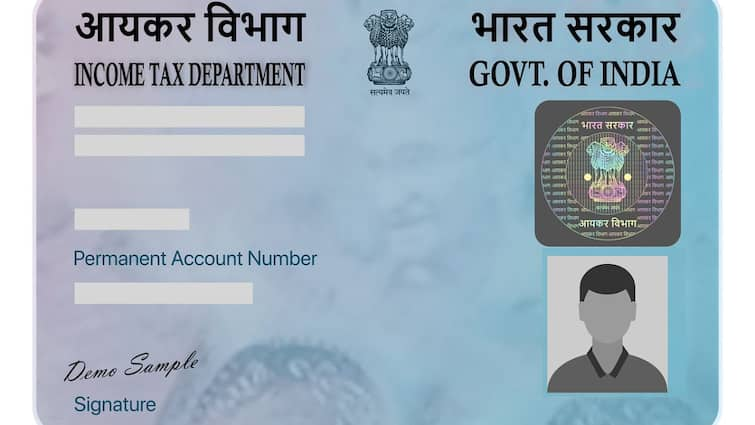
PAN Card-Based KYC: In India’s financial landscape, Know Your Customer (KYC) compliance has become increasingly vital. Mandated by the Reserve Bank of India (RBI) and the Securities and Exchange Board of India (SEBI), KYC regulations require financial institutions to verify their customers' identities and risk profiles. This process is crucial for combating money laundering, terrorist financing, and other financial crimes.
A key element of KYC verification is the Permanent Account Number (PAN) card. This article explores the PAN card’s essential role in KYC compliance, its benefits, and the process involved.
Understanding KYC
KYC refers to the regulations that financial institutions must follow to verify their customers' identities and addresses. The KYC process generally includes:
Customer Identification: Customers provide documents for identity proof (POI), address proof (POA), and date of birth (DOB).
Risk Assessment: Financial institutions assess the customer’s risk profile based on the provided information to prevent financial crimes.
ALSO READ | Aadhaar Card Update: Free Service Ending On September 14. Follow This Step-By-Step Guide
Importance of KYC Compliance
KYC compliance offers several advantages for both institutions and customers:
Prevents Financial Crimes: Helps deter illegal activities such as money laundering and terrorist financing.
Mitigates Fraud Risk: Identifies and prevents fraud, including identity theft and account takeovers.
Enhances Customer Experience: Streamlines account opening and transaction approvals.
Promotes Financial Inclusion: Encourages broader participation in the financial system by ensuring security.
Growth and Impact of Digital KYC in India
The digital KYC landscape in India has expanded rapidly, particularly since the onset of the Covid-19 pandemic. Key statistics include:
eKYC Adoption: Over 2 billion eKYC transactions were recorded between 2020 and 2021. The use of Aadhaar-based eKYC remains prominent, with more than 1.4 billion verifications conducted as of March 2023.
RBI Mandates: The RBI requires KYC compliance for all banking services. Non-compliance can result in significant penalties, as seen with 14 banks penalised in 2021.
Financial Inclusion: Initiatives like the Pradhan Mantri Jan Dhan Yojana (PMJDY) have facilitated the opening of over 480 million accounts, many of which use Aadhaar-based eKYC.
Challenges in KYC Compliance
Despite progress, challenges persist:
Rural Areas: About 30-35 per cent of India’s rural population faces difficulties with digital infrastructure and documentation.
Fraud: A 15 per cent increase in financial fraud was reported in 2022, highlighting the need for ongoing improvements in KYC methods.
Role of the PAN Card in KYC
The PAN card, issued by the Income Tax Department of India, is crucial for KYC compliance:
Universally Accepted: Widely recognized as a reliable proof of identity.
Unique Identifier: Provides a unique 10-digit alphanumeric number for verification.
National Validity: Valid across India, simplifying KYC across various institutions.
Link to Financial Data: Often linked to tax information, offering additional insights for risk assessment.
Benefits of Using the PAN Card for KYC
Utilising the PAN card for KYC offers several benefits:
Simplified Process: Streamlines verification and reduces paperwork.
Enhanced Security: Features like tamper-proof lamination and unique identifiers help prevent misuse.
Universal Acceptance: Can be used across multiple financial institutions.
Documents Required for KYC
In addition to the PAN card, other documents are usually required:
Proof of Address (POA): Aadhaar card, voter ID, utility bills, etc.
Photograph: A recent passport-sized photo.
Additional Documents: May include bank statements, salary slips, etc.
KYC Process: Offline and Online
Offline Process
Download and complete the KYC form.
Attach required documents (PAN card, proof of address, photograph).
Submit the form to the relevant institution.
Verification and confirmation of KYC registration.
Online Process
Visit the KYC Registration Agency (KRA) website.
Select eKYC and enter PAN details.
Submit OTP for verification and upload required documents.
Complete video KYC if needed.
Track the KYC status online.
ALSO READ | PF Withdrawal Relief: Key Cases Where TDS Is Not Applicable On EPF Withdrawals
Top Headlines