




The conflict is estimated to cost the United States approximately $132 billion. This figure includes military expenditures, increased energy and commodity prices, and rising interest rates.
Explorer
Iran War Costs Mount: $132 Billion US Burden Deepens As Hormuz Crisis Returns
The renewed closure of the Strait of Hormuz has intensified concerns about global energy supplies and supply-chain disruptions just days after a peace framework was announced.
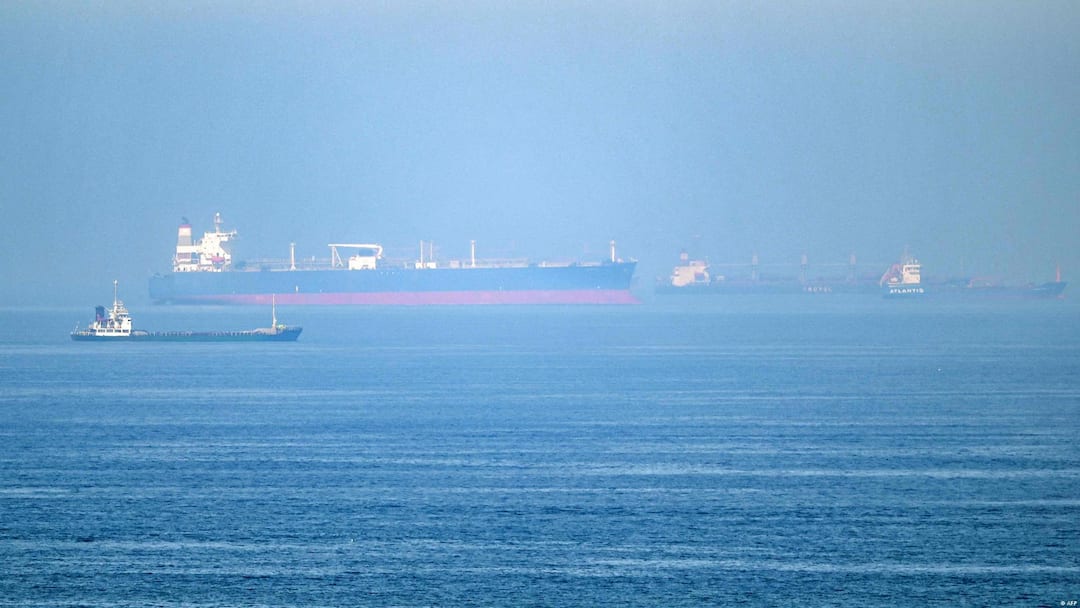
The overall cost of the conflict to the United States is estimated at approximately $132 billion, with final assessments still underway during a 60-day negotiation period.
- US-Iran peace signed, but conflict cost US $132 billion.
- Fuel prices surged; air travel costs remain high for now.
- Strait of Hormuz closure raised food, shipping costs globally.
Frequently Asked Questions
What is the estimated financial cost of the conflict to the United States?
How has the conflict affected fuel prices for consumers?
The conflict caused a significant rise in fuel prices, with average gasoline prices surging to nearly $4 per gallon from $2.98. Americans have spent roughly $60 billion more on gasoline and diesel since the war began.
Will lower crude oil prices immediately lead to cheaper airfares?
No, lower crude oil prices will not immediately translate into cheaper flights. Airlines purchase fuel in advance and adjust operations gradually, so price changes take weeks or months to reflect.
How did the conflict affect global food and fertilizer supplies?
The conflict disrupted trade through the Strait of Hormuz, affecting 30% of global fertilizer supply. This led to sharply rising prices and warnings of higher food inflation and reduced crop yields.
When can consumers expect relief from higher shipping costs?
Consumers may continue to face higher shipping costs and product shortages through the end of the year. Fuel surcharges and broader supply chain disruptions are expected to persist for quite some time.

Top Headlines
Business

Syngene International posts Rs 32.2-crore profit in Q2, rebounds from Q1 loss
Business

Cyclone Arnab: Civil aviation ministry reviews situation to ensure safety of flight ops
Business

You Earn Well And Have Investments, So Why Does A Pay Cut Feel Impossible?
Business

'Why Is The Entire System Working To Help Manufacturers?’ SC Questions Medicine Pricing





See Today's Weather 
powered by



