Explorer

Petrol Could Have Hit Rs 125/Litre During Iran Conflict Without Ethanol Blending: Centre

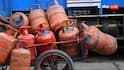
The Centre defended ethanol blending, saying it kept petrol at Rs 94.77 instead of a projected Rs 125/litre during the Iran conflict, while rejecting claims of foodgrain diversion and subsidy misuse.

Show Quick Read
Key points generated by AI, verified by newsroom
  • Centre defended ethanol program, reducing India's oil imports.
  • Blending saved consumers money during global oil price volatility.

The Centre has strongly defended the Ethanol Blended Petrol (EBP) Programme, dismissing recent allegations over foodgrain diversion and subsidies as "misleading" and asserting that ethanol blending protected Indian consumers from a sharp spike in fuel prices during the Iran conflict.

In a detailed clarification, the government on Friday said the programme is aimed at strengthening India's energy security, reducing dependence on imported crude oil and supporting farmers, while ensuring that food security remains uncompromised, according to the statement.

Highlighting the programme's economic benefits, the government said ethanol blending insulated Indian consumers from global crude oil volatility during the recent Iran conflict.

Also Read: 'Airports Were Named After One Family': PM Modi's Swipe At Congress During Andhra Visit

According to the Centre, when the Indian crude basket surged to around US$135 per barrel, petrol prices in Delhi could have reached around Rs 125 per litre without ethanol blending.

Instead, consumers paid Rs 94.77 per litre, as 20 per cent of petrol comprised domestically produced ethanol procured at pre-agreed prices, resulting in savings of nearly Rs 30 per litre during the peak of the oil price surge.

'Food Security Comes First'

Rejecting claims that subsidised Food Corporation of India (FCI) rice was diverted to ethanol production, the government said no foodgrain is allocated for ethanol until all obligations under the Public Distribution System (PDS), the National Food Security Act (NFSA), welfare schemes and mandatory buffer stocks have been met.

It said only certified surplus stocks, along with damaged grain, broken rice and foodgrain unfit for human consumption, are used for ethanol production.

According to the Centre, the programme converts surplus and unusable grain into clean energy rather than diverting food meant for the poor.

FCI Rice 'Not The Backbone' Of Ethanol Production

The government also rejected claims that ethanol producers received FCI rice at concessional rates, saying its pricing follows the same policy framework as other approved feedstocks such as maize, sugarcane juice and molasses.

It noted that FCI rice contributed only 0.02 per cent of ethanol production in ESY 2023-24, with its share rising to 24.64 per cent in ESY 2025-26 only because surplus stocks became available after all food security requirements had been fulfilled. 

Also Read: 'No Documents': Tehseen Poonawalla Claims Delhi Police Put Him Under House Arrest Ahead Of Anti-E20 Protest

Rs 1.97 Lakh Crore Forex Savings

The government said the Ethanol Blended Petrol Programme has so far delivered significant benefits, including:

  • Foreign exchange savings of over Rs 1.97 lakh crore
  • Replacement of more than 316 lakh metric tonnes of crude oil imports
  • Reduction of over 950 lakh metric tonnes of carbon emissions
  • More than Rs 1.66 lakh crore paid to farmers and distillers

The Centre reiterated that the programme is designed to reduce India's reliance on imported crude oil, which still accounts for nearly 88 per cent of the country's oil requirement, and serves as a safeguard against global energy shocks rather than a day-to-day fuel price mechanism.

Frequently Asked Questions

How did the EBP Programme protect consumers from high fuel prices?

The EBP Programme protected consumers from sharp fuel price spikes. It saved nearly Rs 30 per litre on petrol, keeping prices lower during volatility.

How does the EBP Programme ensure food security?

The programme uses only certified surplus, damaged, or unfit foodgrain. This ensures no diversion before meeting public distribution and buffer stock obligations.

About the author Sneha

Sneha is a Senior Copy Editor at ABP Live English, covering national and global news, politics, and social developments. She approaches every story with clarity, accuracy, and a reader-focused perspective. She holds a Master’s degree in Mass Communication from Central University of Jharkhand.

Read More
Advertisement

Top Headlines

Petrol Could Have Hit Rs 125/Litre During Iran Conflict Without Ethanol Blending: Centre
19-Kg Commercial LPG Cylinder Prices Reduced By Rs 192: Check Revised Rates
ABP Live Auto Awards 2026 | CEO Sumanta Dutta Says Auto Industry Builds More Than Vehicles, It Builds Dreams
ABP Live Auto Awards 2026 | CEO Sumanta Dutta Says Auto Industry Builds More Than Vehicles
How IPO Allotment Works: Rules, Lot Size, Oversubscription Explained
IPO Allotment Explained: How Shares Are Allotted And What Decides Your Chances
Advertisement

Videos

Pakistan Occupied Kashmir: PoK Protests Escalate as Demonstrations Spread to Muzaffarabad Against Pakistan Administration
Political Unrest: Pakistan’s Youth-Led ‘Cockroach Party’ Challenges Shehbaz Sharif Government
Kulgam Terror Attack: Omar Abdullah Announces ₹10 Lakh Compensation for Victims’ Families
PM Modi’s Message: PM Modi Appeals for Compassion, Forgives ‘Misguided’ Students in Fifth Video Message
Akhilesh Yadav vs BJP: Akhilesh Yadav Targets BJP, Says Public Will Never Forgive Broken Promises
Advertisement

Photo Gallery

Advertisement
25°C
New Delhi
Rain: 100mm
Humidity: 97%
Wind: WNW 47km/h
See Today's Weather
powered by
Accu Weather
Embed widget