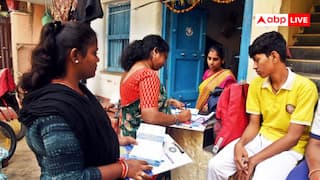
Panel Debate: SIR Issue, Vote Polarization & Matua Factor Shape West Bengal Election Narrative
A heated debate has emerged among political analysts over key factors influencing voter behavior in West Bengal ahead of counting day. Discussions have centered around whether issues such as SIR (Special Intensive Revision), community voting patterns, and political polarization have shaped the electoral outcome between the Bharatiya Janata Party and the All India Trinamool Congress led by Mamata Banerjee. During the discussion, analysts highlighted that the SIR issue became a major political talking point in the state. One perspective suggested that the debate around voter list revisions may have acted as a double-edged sword, influencing different communities in different ways rather than benefiting a single party uniformly. The conversation also focused on the Matua community, a significant voter group in parts of Bengal. Analysts noted differing interpretations of how this group may have voted, with some arguing that expectations of political shifts did not fully materialize as predicted during the campaign narrative. Another viewpoint suggested that the SIR debate, combined with identity-based political messaging, may have contributed to counter-polarization among different voter segments. It was argued that attempts to frame the election around specific issues may have had mixed electoral effects rather than a one-sided advantage. Participants also discussed the broader campaign strategies, including allegations and counter-allegations between parties, and whether such narratives influenced voter sentiment or reinforced existing loyalties. Despite strong arguments from all sides, analysts agreed that final conclusions can only be drawn after official counting. The outcome on May 4 will determine how these political narratives translate into actual seat numbers and whether exit poll interpretations align with ground realities.

























Top Headlines


Trending News