US Treasury Considering Restricting Investments In Chinese Chip, AI, Quantum Computing Firms
US officials are conducting extensive scrutiny of a wide range of exports to China.
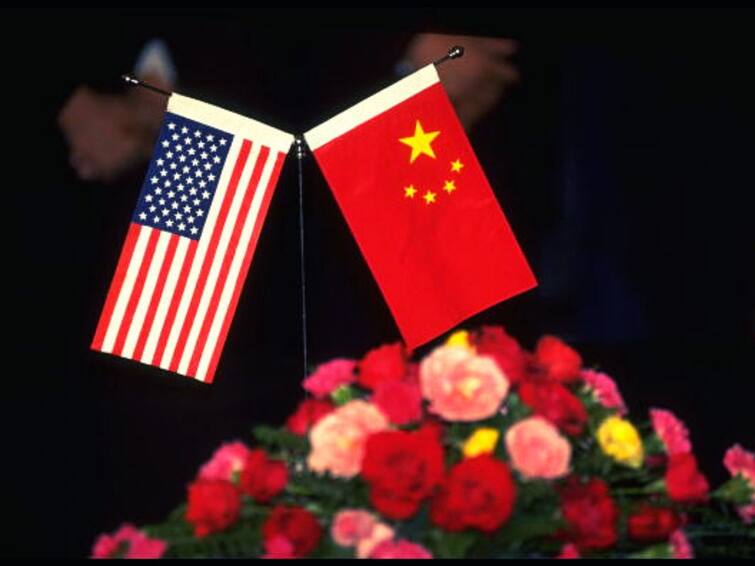
During a Senate Banking Committee hearing, a US Treasury official announced that new regulations are being considered to restrict US investments and technology transfers to Chinese companies involved in advanced semiconductors, artificial intelligence, and quantum computing. Paul Rosen, who oversees investment security at Treasury, emphasised the need to curb investment that brings know-how and expertise to specific sectors, particularly highlighting China and its military.
In February, Reuters reported that the Biden administration intends to ban investments in certain Chinese technology firms and enhance scrutiny of others, as part of its efforts to address the significant investments made by American companies in sensitive Chinese industries. Critics in Washington who take a hardline stance on China argue that US investors have facilitated the transfer of capital and valuable knowledge to Chinese tech companies, thereby aiding Beijing's military ambitions.
Senator Bill Hagerty raised the issue of limiting the supply of US-origin goods to Huawei, a Chinese telecommunications company. Currently, exporting goods to Huawei requires a license. Thea Rozman Kendler, Assistant Secretary of the Commerce Department, stated that there is no draft rule at present regarding the revocation of these licenses. However, she noted that the issue is undergoing thorough analysis.
Officials are conducting extensive scrutiny of a wide range of exports to China. Last year, approximately 25 per cent of export and re-export license applications were denied or remained unacted upon to prevent sales that could contribute to Beijing's militarisation. Kendler provided written testimony indicating that in 2022, they reviewed 5,064 license applications, and around 26 per cent of them were denied or returned without action.
These measures reflect the ongoing efforts of the US government to address national security concerns and protect sensitive technologies from falling into the wrong hands. The proposed regulations and increased scrutiny aim to prevent the transfer of critical knowledge and expertise to Chinese entities involved in strategic sectors, while also safeguarding the integrity of US exports.
Top Headlines