4,500-Year-Old Highways Lined With Well-Preserved Tombs Found In Saudi Arabia's AlUla, Khaybar
The funerary avenues linking oases and pastures were located over a 160,000 sq km area, with more than 17,800 tailed 'pendant' tombs, in AlUla and Khaybar counties of Saudi Arabia.
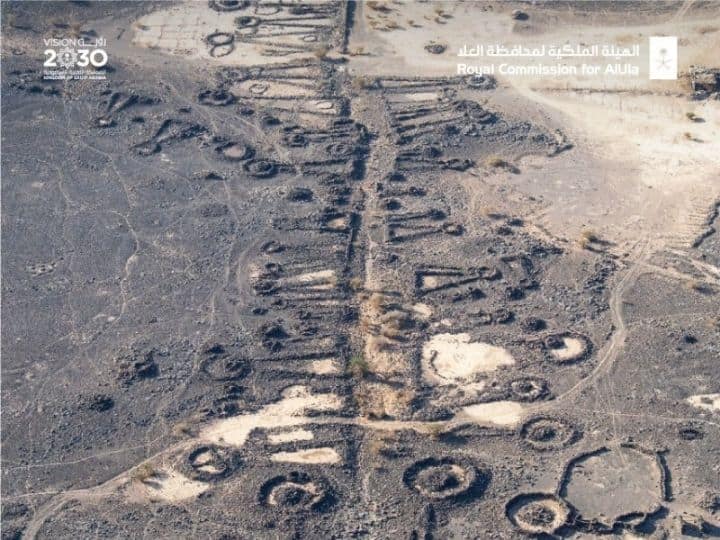
New Delhi: Archaeologists have found a 4,500-year-old long-distance highway network built by people living in north-west Saudi Arabia. These 'funerary avenues' dating back to the Early to Middle Bronze Age are lined with well-preserved tombs.
The findings by archaeologists from The University of Western Australia were published in the The Holocene journal.
The study says these 'funerary avenues' linked oases and pastures, running along elaborate burial monuments.
“Funerary avenues were the major highway networks of their day, and show that the populations living in the Arabian Peninsula 4,500 years ago were far more socially and economically connected to one another than we previously thought,” the university quoted Dr Matthew Dalton, from UWA’s School of Humanities and lead author of the study, as saying.
The UWA team worked in association with the Royal Commission for AlUla. They used satellite imagery, helicopter-based aerial photography, ground survey and excavation to locate the corridors and analyse them, the university said.
كشفت نتائج الأبحاث التي أجريت بالشراكة مع @UWAresearch عن ممرات جنائزية بناها القدماء في شمال غرب شبه الجزيرة العربية منذ 4500 عام تربط بين الواحات والمراعي لتعكس درجة عالية من الترابط الاجتماعي والاقتصادي بين سكان المنطقة في تلك الحقبة.
— الهيئة الملكية لمحافظة العلا (@RCU_SA) January 11, 2022
'Rich And Dynamic Occupational Landscape'
The avenues were located over a 160,000 square kilometre area, with more than 17,800 tailed 'pendant' tombs, in the primary study areas of AlUla and Khaybar counties. At least 11,000 of these tombs formed part of the funerary avenues.
According to Dalton, people living in these areas had always known about these tombs. “But I think it wasn't really known until we got satellite imagery that just how widespread they are," he told CNN.
The highest concentrations of these burial monuments were found to be located near permanent water sources. The UWA team said the direction of the avenues indicated that people used them to travel between major oases, such as Khaybar, AlUla and Tayma, among others.
“These oases, especially Khaybar, exhibit some of the densest concentrations of funerary monuments known worldwide,” Dalton said in the UWA report.
He said the high number of Bronze Age tombs suggests that people had already begun to settle more permanently in these locations.
Project Director Dr Hugh Thomas, who is also from UWA’s School of Humanities, said the research shows AlUla and Khaybar were “a rich and dynamic occupational landscape” in ancient times.
“The archaeological finds coming out of these regions have the potential to profoundly change our understanding of the early history of the Middle East," he added.
Top Headlines