Sharadiya Navratri 2025: Check Out The Puja Samagri List, Kalash Sthapana Ritual, And More
Navratri is a nine-day festival during which devotees worship the nine forms of Goddess Durga. Know date, puja rituals, and all about this sacred festival.


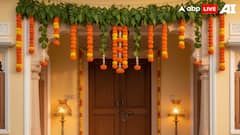
Sharadiya Navratri 2025: Sharadiya Navratri, one of the most auspicious Hindu festivals dedicated to Goddess Durga, will commence this year on Monday, September 22, 2025, and will be observed until October 1, 2025. The festival concludes with Vijayadashami (Dussehra), which will be celebrated on Thursday, October 2, 2025.
Navratri is a nine-day festival during which devotees worship the nine forms of Goddess Durga. On the first day of Navratri, Kalash Sthapana (Ghatasthapana) is performed, marking the beginning of the rituals. This year, Kalash Sthapana will take place on September 22, with the most auspicious muhurat between 6:09 AM to 8:06 AM and an alternate time from 11:49 AM to 12:38 PM. On this day, the first form of Goddess Durga, Maa Shailputri, is worshipped.
ALSO READ: Shardiya Navratri 2025: Know When Is Durga Ashtami? Know Date, Muhurat, And More
Mata Rani’s Arrival On An Elephant
According to the Hindu calendar, Navratri begins this year on a Monday under the Hasta Nakshatra. As per tradition, this means Goddess Durga will arrive riding an elephant, which is considered highly auspicious, symbolising prosperity and abundance.
Navratri Puja Samagri
For the rituals, devotees prepare essential puja items such as red or yellow cloth, rice, roli, turmeric, kumkum, diya, ghee, cotton wicks, incense sticks, coconut, betel nuts, flowers, betel leaves, kalava (sacred thread), chunri, sweets, and offerings.
For Kalash Sthapana, items include an earthen pot for sowing barley or wheat, clean soil, seeds, a Kalash filled with Ganga water, mango or Ashoka leaves, coconut wrapped in red cloth, moli (sacred thread), turmeric, rice, betel nut, and a coin.
Kalash Sthapana Ritual
The ritual begins with cleaning the place of worship. Devotees then sow barley or wheat seeds in an earthen pot filled with soil. A Kalash is prepared with Ganga water, turmeric, rice, coin, and betel nut, topped with mango or Ashoka leaves and a coconut wrapped in red cloth. The Kalash is placed with mantras and prayers, and devotees take a vow to observe Navratri fasts and rituals.
Throughout the nine days, prayers are offered every morning and evening with ghee lamps lit beside the Kalash. Devotees perform aarti, recite Durga Saptashati or Durga Chalisa, and many also maintain an Akhanda Jyoti (unbroken flame), believed to bring blessings and positivity.
[Disclaimer: The content of this article is based solely on beliefs, and should be taken as general guidance. Individual experiences may vary. ABPLive.com does not assert the accuracy or validity of any claims or information presented. It is strongly recommended to consult a qualified expert before considering or implementing any information or belief discussed herein.]
Top Headlines