Karwa Chauth 2025: Why Solah Sringar Is Essential For Married Women? Know Its Significance
Karwa Chauth 2025: Apart from puja rituals, Solah Shringar is a key tradition. Know its significance and how each adornment brings blessings and marital bliss.

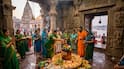
Karwa Chauth is just around the corner, and married women are eagerly preparing for this auspicious day. Celebrated with devotion and love, the festival is observed for the long life, health, and prosperity of husbands. Women observe a nirjala fast throughout the day and perform the ceremonial worship of Goddess Karwa. The fast is not just a symbol of faith, but also a sacred occasion that strengthens the marital bond.
Apart from the puja rituals, Solah Shringar (sixteen adornments) is one of the major traditions that holds special significance on Karwa Chauth.
ALSO READ: Karwa Chauth 2025: 5 Easy And Beautiful Hairstyle Ideas For Graceful Puja Look
The Importance Of Solah Shringar
A special aspect of Karwa Chauth is the tradition of Solah Shringar (sixteen adornments). It is believed that complete adornment pleases Goddess Karwa, bringing women blessings of continuous good fortune and prosperity. Solah Shringar symbolises a woman’s beauty, devotion, and dedication, completing the puja and fast in a meaningful way.
Symbolism Behind Each Adornment
- Bath: The first step of adornment is a ritual bath.
- Ring: Traditionally given by the husband during engagement or pre-marriage ceremonies.
- Bindi: Applying a kumkum bindi on the forehead is considered sacred for married women. It is believed to enhance spiritual strength.
- Sindoor: Sindoor is applied in the parting of the hair. It is believed to increase the husband’s lifespan.
- Kajal: Kajal enhances the beauty of the eyes and is also believed to remove malefic effects.
- Mehendi (Henna): Mehendi beautifies the hands and is considered auspicious. It is believed to bring love from the husband.
- Bangles: Bangles symbolise marital bliss. Red represents happiness, and green symbolises prosperity.
- Mangalsutra: The mangalsutra is also a symbol of marital status. Its black beads protect from evil eyes. Some women also wear a gold chain or necklace along with it.
- Nose Ring: It is traditionally worn with a silver string or clove. It enhances beauty and is believed to counter the malefic effects of Mercury.
- Gajra: This floral adornment is worn in the hair to enhance beauty and fragrance.
- Maang Tikka: Worn at the center of the forehead, it symbolises modesty and simplicity in married life.
- Earrings: Also called Kundal or Bali, wearing earrings or jhumkas is believed to remove the malefic effects of Rahu and Ketu.
- Armlet: A gold or silver armlet worn on the upper arm is believed to protect the family’s wealth and prosperity.
- Waistband: Also called Tagdi, it is worn around the waist. It signifies that the woman is the mistress of her house.
- Toe Rings: Also called Bichua, worn on the toes, they are believed to counter the malefic effects of the Sun and Saturn. They also symbolise the courage to face challenges.
- Anklet: Also called Pajeb, payals are usually worn along with bichhiya and are made of silver.
[Disclaimer: The content of this article is based solely on assumptions and available information. ABPLive.com does not assert the accuracy or validity of any claims or information presented. It is strongly recommended to consult a qualified expert before considering or implementing any information or belief discussed herein.]

Top Headlines