Explorer
Aditya-L1 Mission Will Be Launched In The First Week Of September, Says ISRO Chief. See PICS Of The Solar Mission
Aditya-L1 Solar Mission: The Indian Space Research Organisation will launch Aditya-L1, India's first space-based solar mission, atop a Polar Satellite Launch Vehicle, in the first week of September.
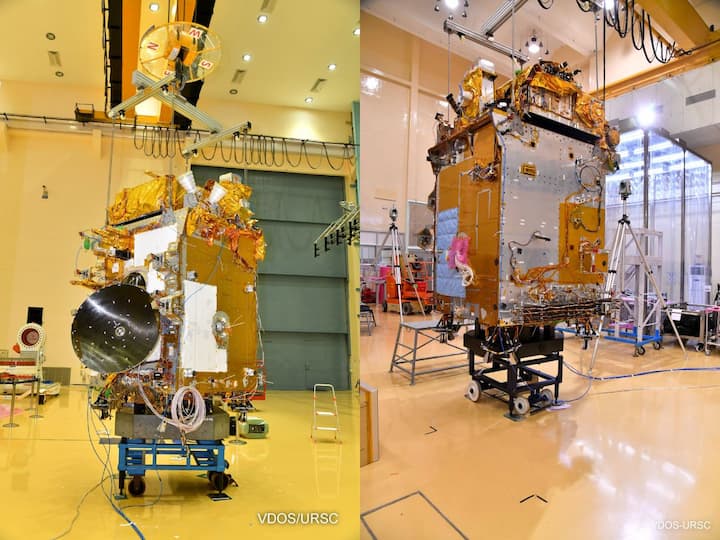
Aditya-L1, India's first space-based solar mission, will study the drivers for space weather, the heating of the corona and chromosphere, the development of coronal mass ejections, and conduct magnetic field measurements in the solar corona.
1/8
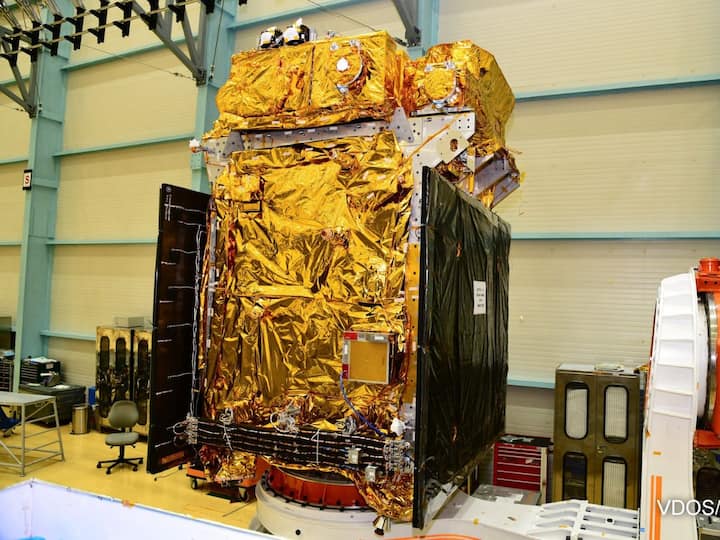
Aditya-L1 Mission: The Indian Space Research Organisation's (ISRO's) maiden space-based solar mission, Aditya-L1, will be launched in the first week of September 2023, the Indian space agency's chairman S Somanath has said. (Photo: X/@ISRO)
2/8

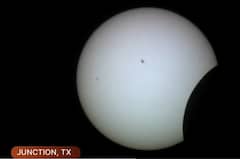
ISRO Solar Mission: ISRO will place the Aditya-L1 spacecraft around the Lagrange Point 1 (L1) of the Sun-Earth system. A Lagrange point is a position in space where a spacecraft tends to stay fixed, and is meant to reduce fuel consumption. ISRO chose L1 as the location for Aditya-L1 in space because L1 will allow the spacecraft uninterrupted views of the Sun. Also, there will be no eclipses, because of which Aditya-L1 will be able to study solar activities all year-round. (Photo: X/@ISRO)
Published at : 27 Aug 2023 06:08 PM (IST)


















View More
Trending News

Top Headlines
Cities

Madhya Pradesh HC Rebukes State Govt Over Indore Water Contamination Status Report
Cities

'Politicised Unnecessarily': Madras HC Permits Karthigai Deepam On Thiruparankundram Hilltop
India

‘Pakistan Mentality’: BJP Targets Left Groups Over Slogans Against Modi, Shah; JNUSU Issues Clarification
IPL

Mustafizur Rahman’s IPL Exit Decided At BCCI’s Highest Level Without Discussions: Report











Justin M Bharucha
Opinion