Trump Issues Fresh Warning To Iran, Says US Navy Fleet Ready For Action
Trump also invoked a past operation, which he characterised as having inflicted “major destruction”, and cautioned that any future attack would be “far worse” if Iran does not agree to talks.

- Trump warns Iran time is running out for nuclear deal.
- US deploys massive naval armada, including carrier, to region.
- Trump urges Iran to negotiate a fair nuclear weapons deal.
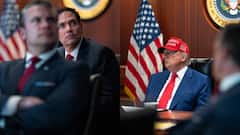
US President Donald Trump has warned Iran that “time is running out” to negotiate a deal on its nuclear programme as a “massive armada” of US naval forces heads towards the region, he said in a post on his Truth Social platform. Trump described the fleet, led by the aircraft carrier USS Abraham Lincoln, as larger than one previously sent to Venezuela and said it was ready to act “with speed and violence, if necessary” to compel Tehran to talk.
Military Pressure & Call For Talks
In his Truth Social post, Trump urged Iran to “come to the table” and negotiate a “fair and equitable deal” that would prohibit the development of nuclear weapons. He said the deployment of the armada was intended to pressure Tehran into serious negotiations, warning that previous opportunities had been missed. “As I told Iran once before, MAKE A DEAL! They didn’t,” he wrote, referring to past military action.
Trump also invoked a past operation, which he characterised as having inflicted “major destruction”, and cautioned that any future attack would be “far worse” if Iran does not agree to talks. The threat follows a build-up of US forces in the Middle East, including naval assets deployed amid rising tensions over Iran’s nuclear ambitions and internal unrest.
Regional Responses & Escalation Risks
Iran’s government has so far rejected talks under threat, insisting diplomacy must occur without pressure and warning it will defend itself if attacked. Tehran’s officials have also criticised Trump’s rhetoric, calling on the United States to reduce tensions.
The situation has drawn international attention, with regional powers urging de-escalation to avoid wider conflict. Gulf states, including Saudi Arabia and the United Arab Emirates, have indicated reluctance to allow foreign military action from their territories.
Analysts warn that the deployment and rhetoric could heighten risks of military confrontation in an already volatile region. Markets are also reacting to the geopolitical uncertainty, with potential implications for energy prices and global stability as states monitor both diplomatic and military developments.
Before You Go
JHARKHAND: Hemant Soren Government Faces Heat From Opposition and Alliance Partners


Top Headlines