Iran, Israel Exchange New Attacks Amid Stalled Nuclear Negotiations
Iran and Israel exchanged fresh attacks in the early hours of Saturday. The renewed violence came just a day after Tehran declared it would not negotiate over its nuclear programme.
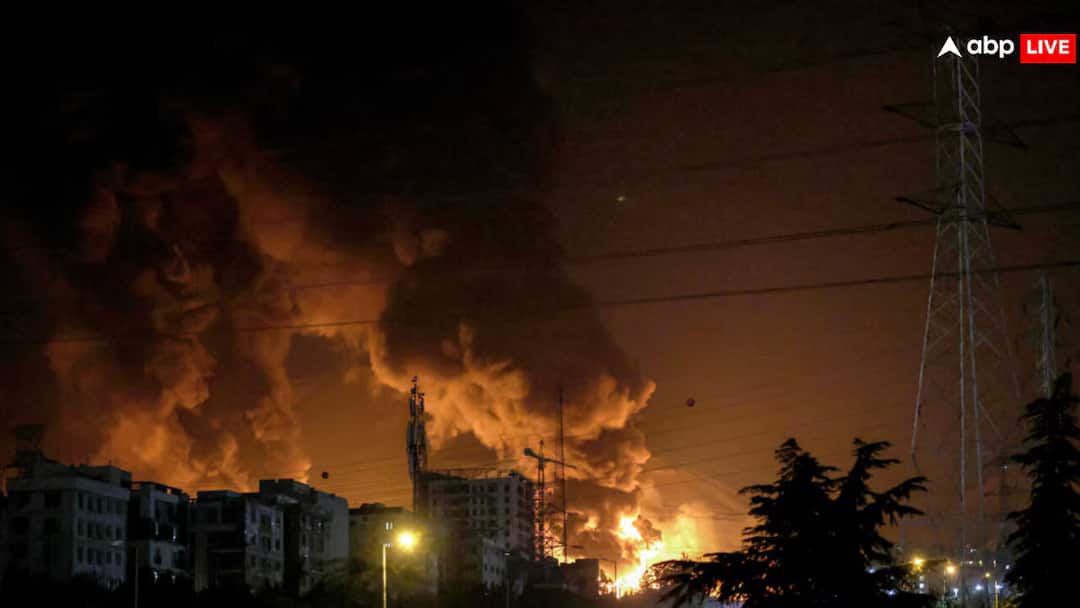
Iran and Israel exchanged fresh attacks in the early hours of Saturday, escalating an already tense conflict as diplomatic efforts to revive nuclear talks floundered and Europe scrambled to keep dialogue alive. The renewed violence came just a day after Tehran declared it would not negotiate over its nuclear programme while under military threat.
Iran and Israel Exchange Fresh Attacks
Shortly after 2:30 a.m. local time in Israel (2330 GMT on Friday), the Israeli military issued a warning about an incoming missile barrage from Iran, triggering air raid sirens across central Israel, including Tel Aviv, and parts of the Israeli-occupied West Bank.
Residents witnessed interceptions lighting up the sky over Tel Aviv as explosions echoed across the city while Israel’s air defence systems sprang into action. Simultaneously, Israel launched fresh airstrikes on Iranian missile storage and launch sites, according to its military.
Sirens also blared in southern Israel, said Magen David Adom, the country’s national emergency service. An Israeli military official confirmed Iran had fired five ballistic missiles but reported no immediate missile impacts.
Emergency services released images showing a fire on the roof of a multi-storey residential building in central Israel, believed to have been caused by debris from an intercepted missile.
Conflict Claims Lives on Both Sides
Israel began striking Iran last Friday, citing concerns that its long-time adversary was close to developing nuclear weapons—an accusation Iran denies, asserting that its nuclear programme is for peaceful purposes only. Iran responded with missile and drone attacks on Israel.
The Human Rights Activists News Agency, a U.S.-based rights group monitoring Iran, said Israeli airstrikes have killed 639 people in Iran, including top military officials and nuclear scientists. In contrast, Israeli authorities reported that 24 civilians have died in Iranian missile attacks.
Israel is widely believed to possess nuclear weapons, though it neither confirms nor denies this.
Hostilities Continue In Iran and Israel
Iran has consistently targeted Tel Aviv, home to about four million people and the country’s economic hub, where key military assets are located. On Friday, Israel claimed it struck dozens of military installations, missile production facilities, and a research centre allegedly linked to Tehran’s nuclear weapons development.
Iranian Foreign Minister Abbas Araqchi maintained, “There is no room for negotiations with the U.S. until Israeli aggression stops.” Nonetheless, he travelled to Geneva on Friday for discussions with European foreign ministers, who are working to restore diplomatic engagement.
US Remains Cautious
U.S. President Donald Trump said on Friday he would take up to two weeks to decide whether Washington should join the conflict on Israel’s side, adding it would be enough time “to see whether or not people come to their senses.”
He added, “I think it’s very hard to make that request right now. If somebody is winning, it’s a little bit harder to do than if somebody is losing, but we’re ready, willing and able, and we’ve been speaking to Iran, and we’ll see what happens.”
Despite Europe’s efforts, the Geneva talks showed little sign of progress. Trump expressed doubt that negotiators would manage to secure a ceasefire. “Iran doesn’t want to speak to Europe. They want to speak to us. Europe is not going to be able to help in this one,” he said.
Meanwhile, hundreds of American citizens have fled Iran since the conflict began, according to a U.S. State Department cable seen by Reuters.
International Calls for De-escalation
Israel’s envoy to the United Nations, Danny Danon, told the Security Council on Friday that Israel would not halt its strikes “until Iran’s nuclear threat is dismantled.” In response, Iran’s U.N. ambassador Amir Saeid Iravani urged the Security Council to take action and voiced alarm over reports of potential U.S. involvement in the war.
Russia and China joined the chorus calling for immediate de-escalation.
A senior Iranian official told Reuters that while Iran was open to discussing limits on uranium enrichment, it would reject any deal completely prohibiting it—“especially now under Israel’s strikes.”
Before You Go
BREAKING NEWS: Champat Rai and Anil Mishra Get Clean Chit in Ram Temple Donation Case

Top Headlines