Explorer
Pulwama attack indicates vehicle-ramming is the new terror strategy in Kashmir
The boots-on-the ground strategy has forced the terror groups to change tactics as India has blunted Pakistan's move to engage directly with the separatists.
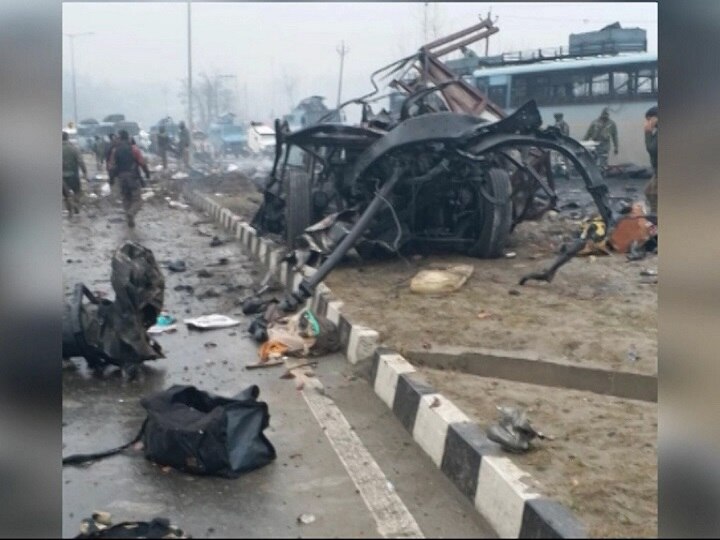
The Jaish-e-Mohammad claimed responsibility for the attack, which is said to be the deadliest in two decades, worse than the car bombing in 2001 which killed 38 persons.
New Delhi: The ghastly attack on a Central Reserve Police Force (CRPF) convoy in Jammu and Kashmir on Thursday killing 40 personnel indicates a significant tactical shift in the strategy of terrorists as security agencies fear that vehicle-ramming assaults, last seen in the 2001 Jammu and Kashmir Assembly car bombing, could become a new norm. The agencies were already devising plans to deal with rising incidents of Improvised Explosive Device (IED) blasts which had returned to the state recently after a hiatus. The Jaish-e-Mohammad claimed responsibility for the attack, which is said to be the deadliest in two decades, worse than the car bombing in 2001 which killed 38 persons. The Scorpio SUV being driven by local Kashmiri Adil Ahmed from Kakpora in Pulwama was said to be carrying 350 kgs of explosives. Two army personnel including a major were killed in what was described as the deadliest IED attack in the Nowshera sector along the Line of Control (LoC) on January 11. The return of IED blasts in Jammu and Kashmir after a gap of three years was first noticed in Sopore in Baramulla district last January when four policemen were killed in an attack. The incident had forced the Jammu and Kashmir police to work out a strategy to deal with IED blasts. The CRPF has been battling such attacks in Chhattisgarh where the naxals have mastered the craft of using IEDs to effect. The terror groups in the Northeast have also used IEDs to attack security forces. The tactic in Jammu and Kashmir, however, was different as the terrorists, generally small in number, would break into a military installation inflicting heavy casualties in the initial breakthrough and engaging the forces as long as possible. The officials said that the use of IEDs also indicates that there is desperation among the terrorist groups after the security forces have been able to eliminate the top leadership in a massive crackdown that has seen the highest casualties. The security forces killed 223 terrorists in Jammu and Kashmir in 2018, the highest in eight years. The boots-on-the ground strategy has forced the terror groups to change tactics as India has blunted Pakistan's move to engage directly with the separatists. Pakistan foreign minister Shah Mehmood Qureshi spoke to Mirwaiz Umar Farooq and Syed Ali Shah Geelani forcing India to warn of consequences. Pakistan Prime Minister Imran Khan has been trying to bring the Kashmir issue to the forefront.
Before You Go
Breaking: Dalit Leader Defends Haldwani Ground Purification, Rejects Claims of Targeting Kharge
Top Headlines
India

80th Independence Day: PM Modi To Hoist Tricolour At Red Fort, ‘Vande Mataram’ First
India

‘India-Italy Ties Have Expanded, Strengthened’: MEA Reacts To Congress' 'Meloni' Jibe
India

‘Govt Taking Comprehensive Steps To Reform Exams’: Prez In I-Day Address. Top Quotes
India

Census 2027: 40 Questions Officials Will Ask Every Household; Check Full List







See Today's Weather 
powered by