Pahalgam Tragedy: What Terror Attack Victims Are Legally Entitled To
OPINION: The Pahalgam tragedy highlights that while India’s legal system offers a framework for victim relief, execution remains uneven.
By Adv. Sharanya Tripathi
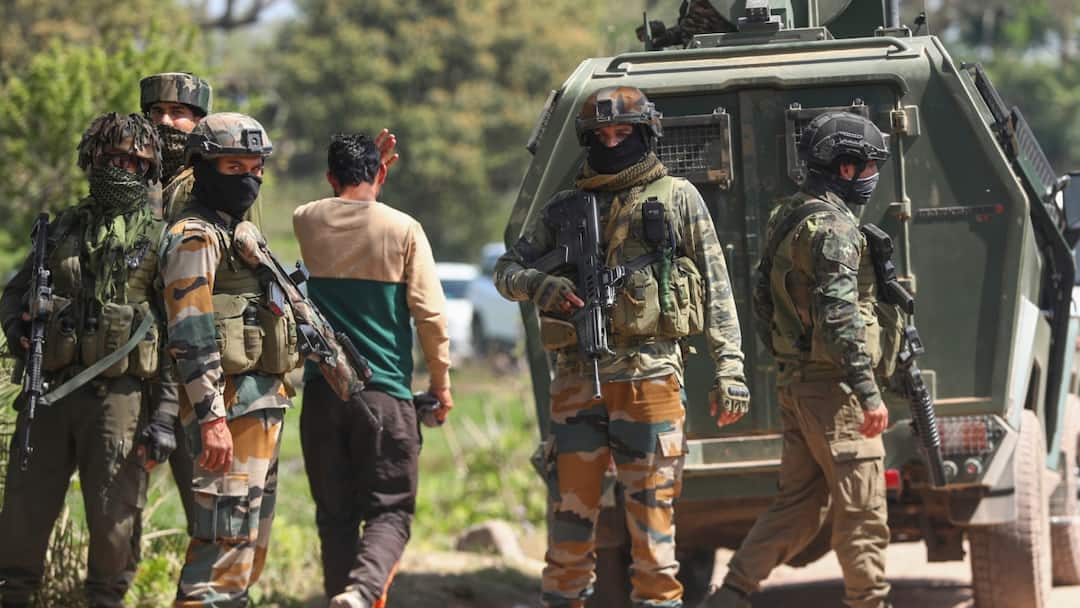
The Pahalgam terror attack on April 22, in Jammu and Kashmir’s Baisaran Valley killed 26 people, mostly tourists, and injured dozens more. It stands as one of India’s deadliest civilian attacks since 2008 and renews urgent questions around justice, compensation, and long-term support for victims and their families. This article explores the legal framework activated post-Pahalgam and the gaps that remain in delivering relief to the victims.
Legal Framework & Remedies
India’s legal system offers several protections to victims of terrorism, rooted in constitutional guarantees, statutory provisions, and judicial oversight.
Constitutional Protection
Article 21 of the Indian Constitution ensures the Right to Life and personal liberty, which the Supreme Court has interpreted to include access to justice and compensation for victims of violence.
In response to the Pahalgam attack, the Court condemned the incident and mobilised legal services committees to support affected families.
Statutory Mechanisms
The Bharatiya Nagarik Suraksha Sanhita, 2023, under Section 394, mandates state governments to establish Victim Compensation Schemes. These ensure financial relief to victims regardless of conviction status. Post-Pahalgam, West Bengal announced Rs 10 lakh in ex-gratia compensation and added benefits, while other states like Maharashtra offered Rs 5 lakh. However, inconsistency across states remains a challenge.
To supplement this, the Central Victim Compensation Fund (CVCF), managed by the Ministry of Home Affairs, provides financial support to states. Emergency medical care was delivered through military hospitals in Srinagar and AIIMS Delhi, backed by the National Disaster Management Authority under the Disaster Management Act, 2005.
The Mental Healthcare Act, 2017, entitles survivors to psychological support, though specific, structured rehabilitation programs were noticeably lacking in the Pahalgam response.
Terrorism and Legal Accountability
In the aftermath, strong legal and investigative steps were taken under the Unlawful Activities (Prevention) Act, 1967 (UAPA), and the National Investigation Agency (NIA) Act, 2008. The NIA led the probe, interrogated over 70 suspects, and demolished properties linked to alleged overground workers. Prime Minister Narendra Modi emphasised that those behind the attack would face justice, indicating the central government's intent to ensure accountability.
Simultaneously, the National Human Rights Commission (NHRC) issued a statement urging prompt compensation and rehabilitation for victims’ families. A Public Interest Litigation (PIL) was filed in the Supreme Court seeking Rs 20 lakh and government jobs for the victims’ next of kin, showing how judicial routes are actively pursued for redress.
Additionally, the National Legal Services Authority (NALSA), under the Legal Services Authorities Act, 1987, provided legal aid to families, ensuring they were informed and supported in pursuing claims.
Challenges & Recommendations
Despite legal remedies, multiple gaps persist. Disparities in compensation across states reveal a lack of standardisation, leaving victims unequally treated depending on geography. For instance, while West Bengal announced Rs 10 lakh in ex gratia payments for each victim's family, other states, such as Maharashtra and Rajasthan, offered only Rs 5 lakh. This inconsistency in financial assistance, often dependent on regional policies and priorities, highlights the need for a standardised national compensation framework to ensure equitable support for all victims, regardless of their geographical location.
Bureaucratic delays hinder timely disbursement, forcing families to file petitions just to receive the promised relief. Long-term rehabilitation, especially psychological support and livelihood assistance, remains weak. Survivors continue to face trauma with minimal structured help.
Security lapses in a known tourist zone point to poor inter-agency coordination. Additionally, reports of communal backlash and harassment of Kashmiri students call for stronger anti-discrimination mechanisms.
India must adopt a uniform national compensation policy to ensure timely and equitable financial relief for all victims. Mental health services under the existing law must be actively implemented. Security upgrades in high-risk zones like Pahalgam and broader community outreach through NALSA and legal aid clinics are crucial steps forward.
Rights-Focused Approach
The Pahalgam tragedy highlights that while India’s legal system offers a framework for victim relief, execution remains uneven.
A standardised, rights-focused approach is essential to uphold justice and dignity for terror victims and their families.
(The author is an Associate Advocate at Jotwani Associates)
Disclaimer: The opinions, beliefs, and views expressed by the various authors and forum participants on this website are personal and do not reflect the opinions, beliefs, and views of ABP Network Pvt. Ltd.
Before You Go
JHARKHAND: Hemant Soren Government Faces Heat From Opposition and Alliance Partners



Top Headlines