PM Modi Slams Chidambaram, Cites ABP Interview: ‘Congress Govt Stopped Security Forces From Retaliating After 26/11’
PM Modi criticised Congress for not retaliating militarily after the 26/11 Mumbai attacks, citing former Home Minister Chidambaram's admission that the UPA government considered but ultimately rejected military action .

- International pressure reportedly led to decision to avoid war.
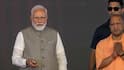
Prime Minister Narendra Modi on Wednesday launched a sharp attack on the Congress, questioning why the previous UPA government chose not to retaliate militarily against Pakistan after the 26/11 terror attacks in Mumbai.
Addressing a rally in Navi Mumbai, Modi referred to recent remarks by former Union Home Minister P Chidambaram, who admitted in an interview with ABP News that India had considered military action after the 2008 attacks but eventually refrained under international pressure.
“Mumbai is not only India’s economic capital but also one of its most vibrant cities. That is why terrorists targeted it. But instead of showing strength, the then Congress government sent a message of weakness,” Modi told the gathering.
#BREAKING | 'कांग्रेस बताए मुंबई हमले के वक्त किसके दबाव में कार्रवाई नहीं की' - abp न्यूज़ के इंटरव्यू में पी चिदंबरम के दावे पर PM मोदी@romanaisarkhan @MeghaSPrasad https://t.co/smwhXURgtc#PMModi #BreakingNews #Mumbai #Politics #Congress #PChidambaram pic.twitter.com/8JV9xPhcdn
— ABP News (@ABPNews) October 8, 2025
The Prime Minister accused Congress of caving in to outside influence. “Recently, a senior Congress leader and former Home Minister revealed that our security forces were ready to attack Pakistan after 26/11. But due to pressure from another country, the Congress government stopped them. Congress must explain, under whose pressure was this decision taken?” he said.
What Chidambaram Revealed
In a conversation with ABP News Political Editor Megha Prasad on the podcast Inside Out, Chidambaram disclosed that he had considered retribution against Pakistan but was persuaded against it during high-level discussions.
He recalled taking charge as Home Minister on 30 November 2008, just a day after the attacks, and admitted that he was unfamiliar with India’s security architecture at the time. “I went in blank,” he said, acknowledging his lack of knowledge about intelligence capabilities in Pakistan and neighbouring regions.
Chidambaram revealed that while the idea of retaliation had crossed his mind, the government ultimately leaned on diplomacy. “I did discuss it with the Prime Minister and others. The conclusion, largely influenced by the Ministry of External Affairs and the Indian Foreign Service, was that we should not react militarily but rely on diplomatic means,” he explained.
He further acknowledged that the decision was heavily shaped by international intervention. “The world was descending upon Delhi telling us not to start a war,” Chidambaram said. He added that then US Secretary of State Condoleezza Rice personally travelled to New Delhi to meet him and Prime Minister Manmohan Singh, urging India to exercise restraint.
Before You Go
Breaking: Kangana-Ramdev Row Escalates as ‘Character’ Remark Sparks Fresh Political Storm

Top Headlines