World Jellyfish Day 2025: 7 Mind-Blowing Facts About Ocean's Most Mysterious Creatures
On World Jellyfish Day 2025, uncover fascinating facts about these mesmerising ocean creatures. Dive into the mysterious world of jellyfish that continues to amaze scientists and nature lovers alike.

Every year, World Jellyfish Day celebrates one of the ocean’s most enigmatic creatures. Graceful yet dangerous, simple yet complex, jellyfish have floated through Earth’s waters for over 500 million years, predating even dinosaurs. These translucent beings are found in every ocean, from shallow coastal lagoons to the darkest ocean depths. Despite having no brain, heart, or bones, they’ve evolved extraordinary survival mechanisms that continue to puzzle scientists.
On this World Jellyfish Day 2025, let’s dive into seven astonishing facts that reveal just how fascinating these marine drifters truly are.
ALSO READ: 8 Astonishing Facts About The Ghost Of The Mountains
1. Jellyfish Are Older Than Dinosaurs
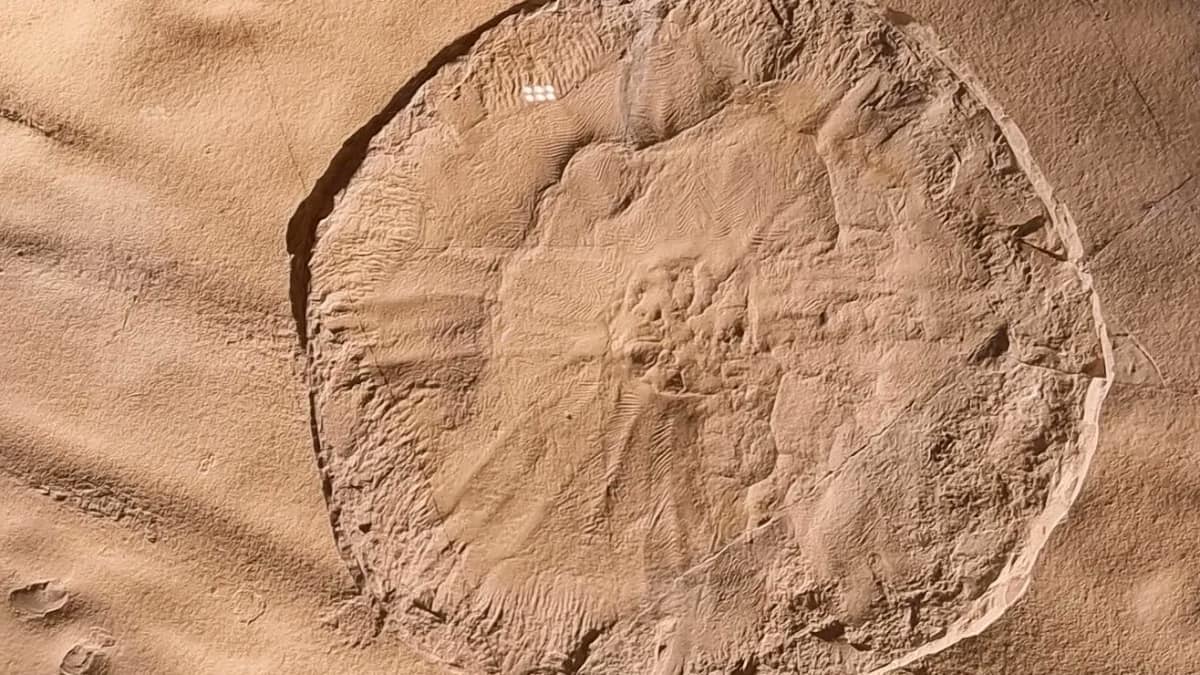
Long before dinosaurs roamed the Earth, jellyfish were already gliding through the ocean currents. Fossil records suggest they’ve existed for more than 500 million years, making them one of the oldest living species on the planet. Unlike other ancient creatures that went extinct, jellyfish have thrived through dramatic environmental changes. Their longevity isn’t just a fun fact, it’s a testament to the resilience of life itself.
2. There Exists An "Immortal" Jellyfish
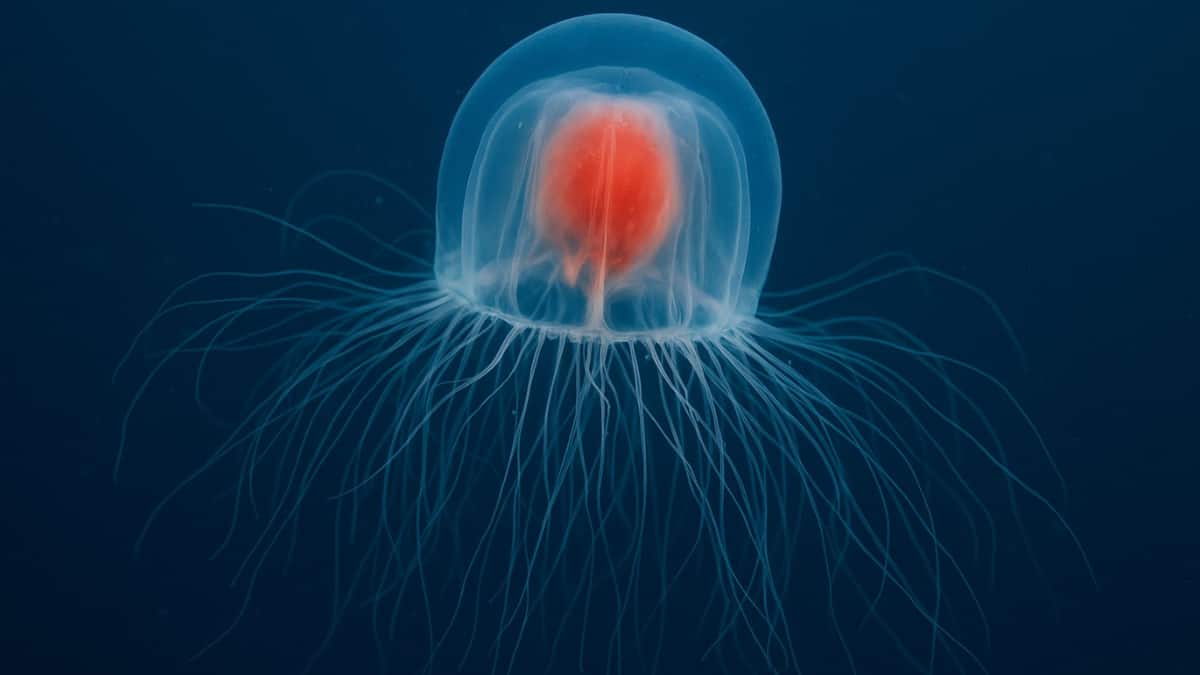
Nature’s most astonishing survivor is the Turritopsis dohrnii, often called the immortal jellyfish. When faced with injury, stress, or old age, this unique species can reverse its biological clock, transforming its adult cells back into their youthful, polyp stage. This simply means that it can live indefinitely, unless eaten or destroyed. Found mainly in the Mediterranean Sea and off Japan, this jellyfish has become a scientific marvel, offering insights into regenerative biology.
3. They Have No Brain, Yet Can Navigate And Hunt
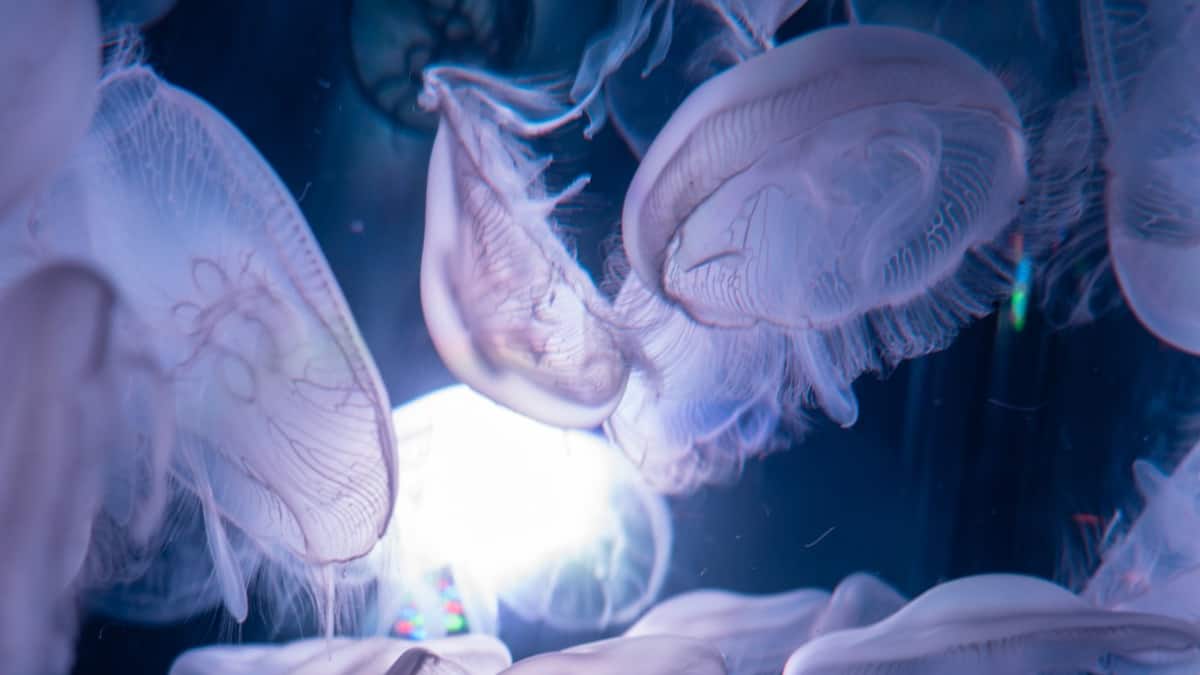
Despite lacking a brain, jellyfish are far from simple. They possess a complex nerve net that detects light, vibration, and chemicals in the water, helping them hunt prey and avoid danger. Some species even have 24 eyes, enabling them to sense their surroundings better than many other marine creatures. Their pulsating movement isn’t just random. It’s a coordinated effort that conserves energy and helps them drift gracefully through ocean currents.
4. Jellyfish Can Glow In Dark
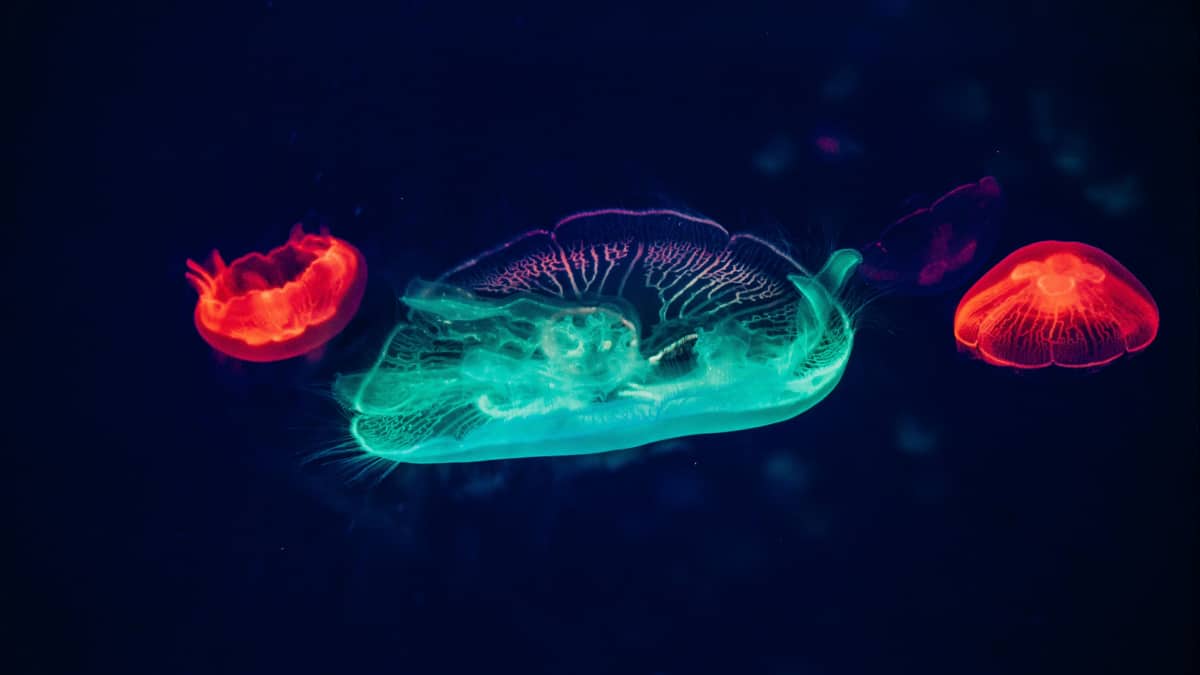
Many jellyfish species are bioluminescent, meaning they produce their own light through chemical reactions within their bodies. This glow serves multiple purposes, from luring prey to confusing predators or attracting mates. Scientists have even used jellyfish’s glowing proteins, known as GFP – Green Fluorescent Protein, in medical research to track genetic activity in cells. So the next time you see a jellyfish glow, remember, it’s not just beautiful, it’s scientifically groundbreaking.
5. Some Species Can Kill A Human In Minutes

Not all jellyfish are harmless. The Box Jellyfish, found in the waters of Australia and the Indo-Pacific, is considered the most venomous marine animal on Earth. Its tentacles can deliver toxins so powerful they can cause heart failure within minutes. Despite their delicate appearance, these creatures are efficient predators, using their venom to paralyse small fish and crustaceans instantly.
6. They Play A Vital Role In Ocean Ecosystem
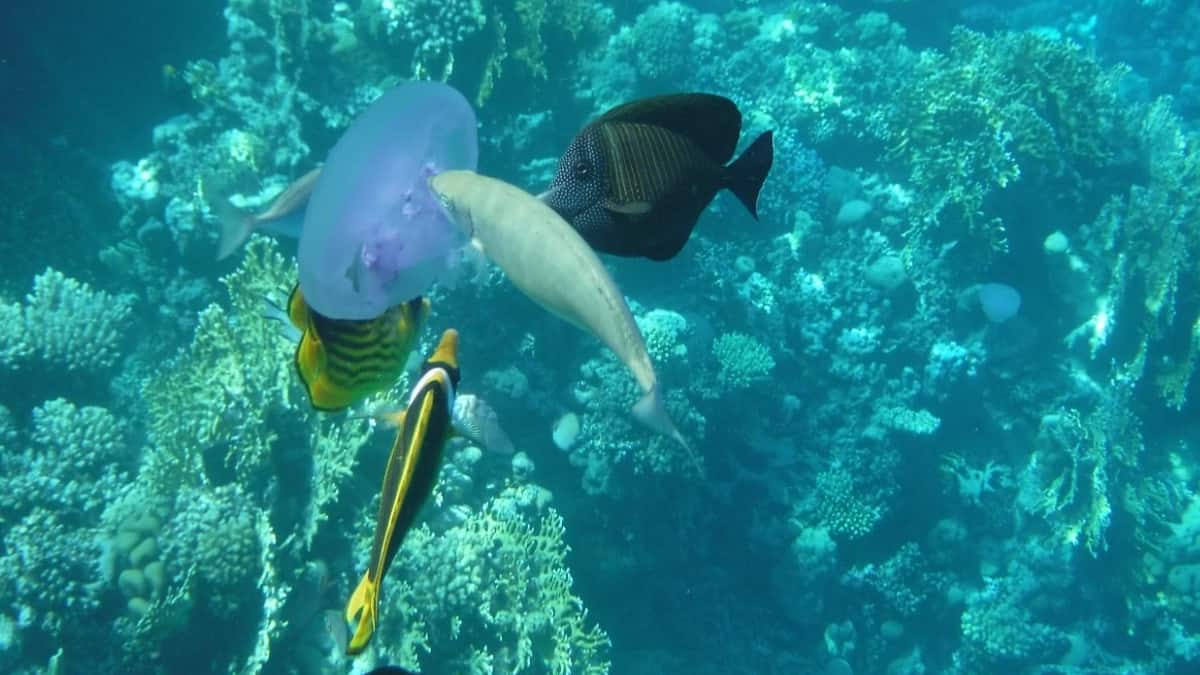
Jellyfish are not just drifters, but also an essential part of marine ecosystems. They serve as both predators and prey, controlling plankton populations while feeding sea turtles, sunfish, and seabirds. When jellyfish die, their decomposition releases nutrients that sustain ocean life. In some regions, jellyfish blooms also signal changes in the marine environment, acting as natural indicators of ocean health.
7. Jellyfish Can Survive In Space-Like Conditions
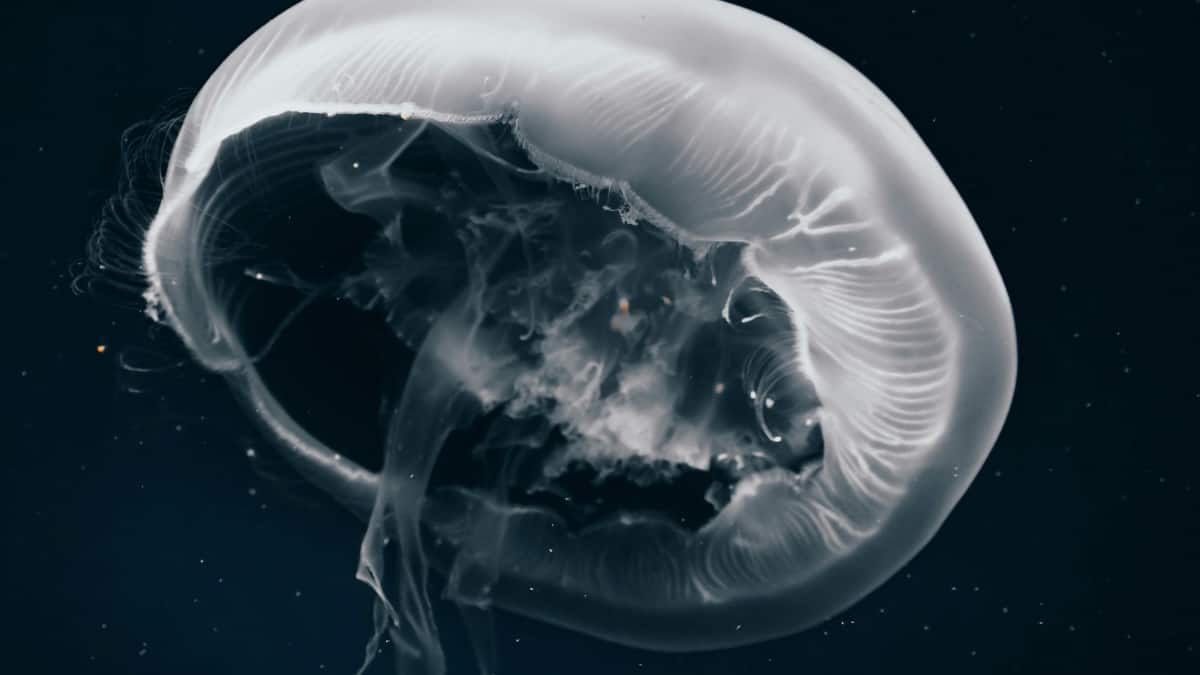
In a fascinating NASA experiment, jellyfish polyps were sent into space aboard the Columbia shuttle in the 1990s. Surprisingly, they reproduced in zero gravity, and their offspring developed normally. This experiment helped scientists understand how living organisms adapt to microgravity and the effects of space travel on biological processes.
Related Video
Union Budget 2024: Nirmala Sitharaman Reaches Parliament Ahead Of Budget Presentation Today | ABP News

Top Headlines