Antibody Levels Post Pfizer & AstraZeneca Jabs May Decline After 2-3 Months: Study
People who received the AstraZeneca vaccine are expected to have substantially lower antibody levels than those who received the Pfizer vaccine
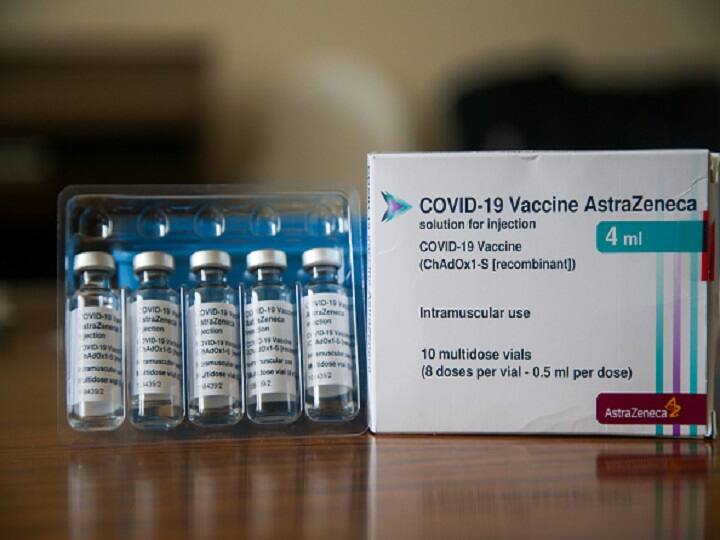
New Delhi: Overall antibody levels begin to decline six weeks after complete vaccination with Pfizer and AstraZeneca vaccines, according to a new Lancet study, and can drop by more than 50% in ten weeks.
According to experts from University College London (UCL) in the United Kingdom, if antibody levels continue to fall at this rate, the vaccinations' protective benefits may begin to wear off, especially against novel strains. They did say, however, that it is too early to determine when this would happen.
ALSO READ | 22 Districts Of 7 States Report Hike In Daily Covid Cases; Health Ministry Warns Against Third Wave
"The levels of antibody following both doses of either the AstraZeneca or Pfizer vaccines were initially very high, which is likely to be an important part of why they are so protective against severe COVID-19. However, we found these levels dropped substantially over the course of two to three months," said Madhumita Shrotri from UCL Institute of Health Informatics.
Furthermore, people who received the AstraZeneca vaccine are expected to have substantially lower antibody levels than those who received the Pfizer vaccine, they stated, adding that this should be taken into account when selecting who should receive boosters first.
The team also mentioned that the data had certain constraints, such as a limited sample size for some groups. The researchers emphasised that because each person only provided one sample, they can't yet say how quickly antibody levels drop for each person, or whether they'll continue to drop or stabilise in the coming months.
ALSO READ | Center Seeks Data From States On Deaths Due To Oxygen Shortage In Second Covid Wave
They also pointed out that various persons will have varying levels of immunity based on their antibodies' ability to neutralise viruses as well as their T-cell responses.
"Even when measurable antibody levels are low, there is likely to be continuing immune memory that could offer long-term protection," the authors of the study added.
They stated that more research is needed to determine if an antibody level limit is required for protection against severe illness.
Check out below Health Tools-
Calculate Your Body Mass Index ( BMI )
Top Headlines