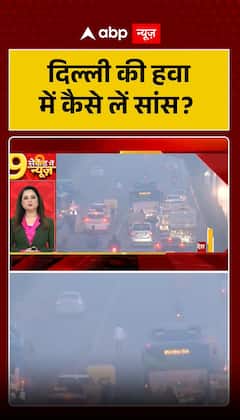
Sun Shines Bright On Christmas In Delhi, AQI Improves After Weeks Of Smog
After weeks of severe pollution, parts of Delhi recorded moderate air quality as overall AQI improved, following the lifting of GRAP-IV curbs.


After weeks of choking pollution, Delhi finally caught a breath on Thursday morning. Air quality across the national capital showed a marked improvement, just a day after the Commission for Air Quality Management (CAQM) revoked the strictest anti-pollution curbs under Stage IV of the Graded Response Action Plan (GRAP).
Although the city’s overall Air Quality Index (AQI) remained in the poor category at 221, the shift was unmistakable. Several monitoring stations even recorded moderate air quality, a level Delhi-NCR has not seen in weeks amid persistent very poor to severe pollution.
What the AQI Numbers Mean
The Air Quality Index offers a clear snapshot of pollution levels and their impact on health. Here’s how the scale works:
- 0–50: Good
- 51–100: Satisfactory
- 101–200: Moderate
- 201–300: Poor
- 301–400: Very Poor
- 401–500: Severe
Thursday’s readings brought cautious optimism, especially for residents who have endured hazardous air for much of December.
Areas Recording Moderate Air Quality This Morning
According to data from the Central Pollution Control Board (CPCB), several locations reported moderate AQI levels as of 6 am on Thursday:
| Area | AQI |
| Sri Aurobindo Marg | 159 |
| IGI Airport | 119 |
| Mandir Marg | 174 |
| Lodhi Road | 133 |
| IIT-Delhi | 155 |
| Aya Nagar | 136 |
| CRRI Mathura Road | 161 |
| Major Dhyan Chand National Stadium | 173 |
These readings stand in sharp contrast to the severe pollution levels that had dominated Delhi’s airscape just days ago.
Fog Warning Still in Effect Across Delhi-NCR
Despite the improving air quality, weather conditions continue to pose challenges. The India Meteorological Department (IMD) has issued a fog warning for Delhi and adjoining regions for Thursday morning.
The weather office warned of a strong possibility of dense to very dense fog across Haryana, Chandigarh, Delhi, Himachal Pradesh, Jammu region, Punjab, Uttar Pradesh and Uttarakhand. Similar alerts have also been issued for isolated pockets in Assam, Meghalaya, Bihar, East Madhya Pradesh, Nagaland, Manipur, Mizoram and Tripura, Odisha, West Bengal and Sikkim.
Why GRAP-IV Restrictions Were Rolled Back
Stage IV of GRAP was enforced on December 13 after Delhi’s AQI plunged into the severe category, crossing the 400 mark. Since then, pollution levels remained dangerously high, often hovering between severe and very poor, while thick fog blanketed the city for extended periods.
A turning point came on Wednesday. Delhi’s average AQI dropped sharply to 271, down from 412 recorded at 4 pm the previous day. This significant improvement prompted CAQM to withdraw the GRAP-IV measures.
However, authorities have made it clear that the rollback does not mean a complete relaxation. All restrictions under GRAP Stages I, II and III will continue to remain in force.
Top Headlines