Delhi Imposes GRAP-IV As Air Quality Turns 'Severe Plus': What's Allowed And What's Banned
Revised GRAP advances severity thresholds, triggering stricter measures at lower AQI levels. Stage 4 curbs, including 50% office staff and work-from-home, now activate at AQI 301-400.

The Commission for Air Quality Management (CAQM) imposed anti-pollution curbs under stage four of the Graded Response Action Plan (GRAP-IV) with immediate effect across the National Capital Region (NCR) as the air quality was recorded in the 'severe+' category on Saturday. The move came just hours after the CAQM invoked GRAP-III in the national capital.
Delhi Air Turns Hazardous Again
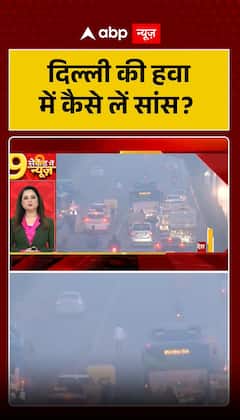
Delhi’s air quality slipped back into the severe category on Saturday evening, with the Air Quality Index (AQI) touching 448 at 7 pm, according to data from the Central Pollution Control Board (CPCB). The spike marked a sharp deterioration from the previous day, when the 24-hour average AQI stood at 349, categorised as very poor, at 4 pm.
Forecasts from the Air Quality Early Warning System for Delhi (AQEWS) offer little immediate relief. Air quality is expected to remain in the severe category on Sunday, with a marginal improvement to very poor levels likely only by Monday.
Pollution outlook remains grim
The worsening air has once again raised concerns over public health, particularly for children, the elderly and those with respiratory ailments. With winter conditions setting in, unfavourable meteorological factors continue to trap pollutants over the capital, prolonging hazardous breathing conditions.
Authorities, meanwhile, are preparing to enforce stricter curbs sooner under a revised Graded Response Action Plan (GRAP), aimed at responding faster as pollution levels rise.
What has changed under the revised GRAP?
The key change lies in advancing the severity thresholds, meaning tougher measures will now be triggered at lower AQI levels than before.
Under the proposed system, Stage 4 measures, the strictest set of curbs , have been moved up to Stage 3. This implies that when the AQI enters the 301–400 range, public, municipal and private offices will operate at 50% staff strength, while central government offices will switch to work-from-home arrangements. Earlier, these measures were enforced only after the AQI crossed 450.
Similarly, Stage 3 measures have now been brought forward to Stage 2. As a result, staggered timings for government offices will come into effect once the AQI enters the 201–300 band, instead of being implemented later.
In another significant shift, Stage 2 measures have been moved to Stage 1. This means steps such as ensuring uninterrupted power supply, aimed at curbing the use of diesel generators, will now be enforced earlier, when the AQI is in the 101–200 range.
Related Video
Delhi News: Why Bulldozer Action Was Conducted at Night? DCP Nitin Valson Explains Key Reasons

Top Headlines