Delhi Schools Advised To Postpone Sports, SC Says ‘It’s Like Putting Children In Gas Chambers’
Supreme Court urges Delhi–NCR schools to postpone sports amid hazardous air, warning children face severe health risks from toxic pollution.

The Supreme Court on Wednesday urged the Commission for Air Quality Management (CAQM) to consider instructing schools across Delhi–NCR to postpone sporting and athletic events scheduled for November and December, warning that current pollution levels pose serious health risks.
A bench comprising Chief Justice of India BR Gavai and Justice K Vinod Chandran made the observation during a hearing in the ongoing MC Mehta case, which monitors the region’s deteriorating air quality.
The intervention came after concerns were raised that several schools were planning to hold annual sports meets even as the Air Quality Index (AQI) plunged into the hazardous zone. Senior advocate Aparajita Singh, appearing as amicus curiae, highlighted the danger to children, saying, “Children are most vulnerable, holding sports now is like putting them in gas chambers,” according to LiveLaw.
CAQM Asked to Consider Postponing Events
Acknowledging these submissions, the bench asked the CAQM to consider issuing directions to shift such activities to safer months. The court also noted that a similar petition was scheduled to be heard in the Delhi High Court later on Wednesday, stating that the High Court could issue orders as it deemed appropriate.
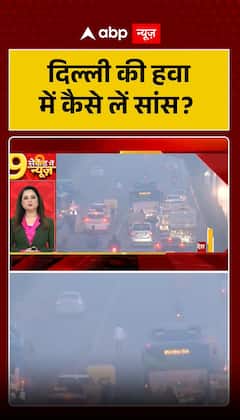
This move comes amid mounting concern over prolonged exposure of children to toxic air in the NCR. Health experts, environmental authorities, and school administrators have all raised alarms over the long-term risks of outdoor activities during periods of extreme pollution.
Growing Alarm Over NCR Pollution Crisis
With Delhi and neighbouring areas grappling with some of the worst air quality in recent years, the Supreme Court’s suggestion underscores the urgent need to protect the city’s youngest residents from preventable harm. As winter approaches and pollution peaks, parents and educators are left asking: Is it worth risking children’s health for tradition and routine?
Related Video
Delhi News: Why Bulldozer Action Was Conducted at Night? DCP Nitin Valson Explains Key Reasons

Top Headlines