Facing A Financial Emergency? Here Is Your Step-By-Step Guide To Bounce Back
Establishing a proactive approach and building a contingency fund are key measures in mitigating monetary hardships
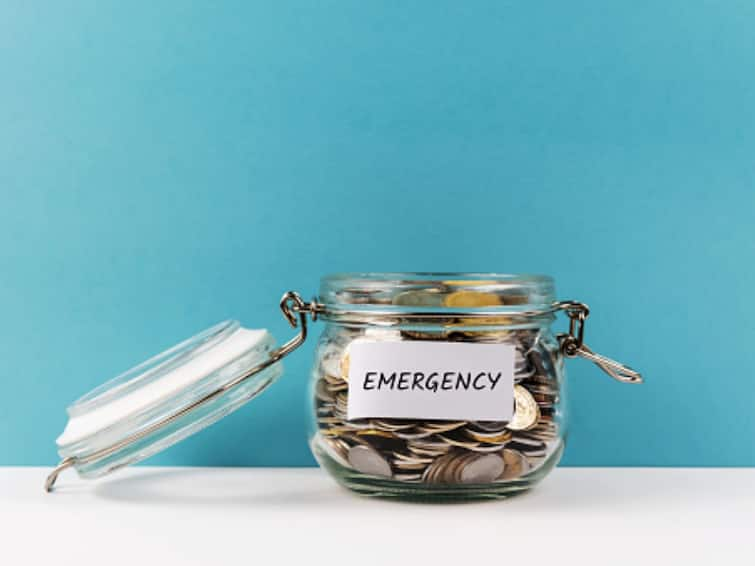
Life is unpredictable, and this unpredictability can lead to unexpected financial crises that catch us off guard. Dealing with a financial emergency is a situation no one desires. However, preparing for such contingencies is a crucial step toward safeguarding your financial stability. Establishing a proactive approach and building a contingency fund are key measures in mitigating monetary hardships. In times of unforeseen crises, having a well-defined strategy can make all the difference.
Here are some measures that can alleviate your financial emergencies while safeguarding your financial stability.
Crafting A Strategy To Address Financial Emergencies
Amit Gupta, the managing director at SAG Infotech, offers a step-by-step guideline that incorporates considerations like investments, mutual funds, and trading. "Keep a composed mind and assess the severity of the emergency. Understand the immediate financial requirements and prioritise them. Ideally, maintain a dedicated emergency fund that covers 3-6 months' worth of expenses. If you don't have one, start saving a portion of your income regularly to build this safety net," Gupta advises, while talking to ABP Live. Here are the 3 tips he shared:
List your expenses: List down crucial expenditures such as housing, groceries, and utilities. Focus on meeting these needs before spending on non-essentials. Gupta says if you are unable to make loan or credit card payments, communicate with lenders. Some banks offer options like loan moratoriums during tough times. Investigate government schemes and subsidies that might provide assistance during emergencies, such as relief packages or subsidies for essential commodities. Temporarily cut back on discretionary expenses like dining out, entertainment, and shopping. Redirect these funds towards critical needs.
Adjust investments: If you have savings in fixed deposits, recurring deposits, or other accounts, consider using them judiciously to address the emergency. Be mindful of any penalties or tax implications. “If you've invested in mutual funds or stocks, assess your portfolio. Depending on the emergency's duration, you might need to adjust your investments. Avoid using credit cards with high-interest rates as much as possible. If you need credit, explore options with lower interest rates, like personal loans. If you're invested in mutual funds, evaluate your risk tolerance. Consider staying invested or reallocating based on your immediate and long-term needs. In trading, exercise caution and avoid impulsive decisions driven by the emergency.”
Set recovery plan: Gupta points out that once the immediate crisis is managed, one should chalk out a recovery plan. "Rebuild your emergency fund, repay any borrowed funds, and gradually return to your regular financial routine. Use the experience as a lesson. Reflect on what caused the emergency and how you can better prepare for future unforeseen events. Remember, every individual's financial situation is unique. Seek guidance from financial advisors or counsellors if you're unsure about the best course of action," he adds.
How To Tackle Financial Emergencies
What kind of people are most likely to end up in financial crises or emergencies? It is usually the people who don’t have adequate investments and savings, says Arun Singh Tanwar, founder and CEO at Get Together Finance (GTF). "It doesn’t matter how much you earn. If you don't save and invest a bit of your earnings, all your earnings are going in vain. When you have enough savings, either in the form of stocks, mutual funds, or simply cash, then you have the courage to deal with financial emergencies at any hour,” he says.
Almost every emergency requires some funds, says Tanwar. "We require some sudden funds to come out from emergencies such as a healthcare emergency, an education emergency, a natural calamity, a damaged roof, paycheck issues, etc."
Tanwar has these suggestions on how one can be prepared for financial emergencies.
Good Investments: Always invest 10 per cent of what you earn. It will always help you in saving a huge amount with the help of small amounts in no time. Investment can be done in equity stocks, mutual funds, or commodities. These all can be liquidated overnight.
Do not panic: Even if people have enough savings or money to deal with the situation, there are times when they panic. It is quite common in financial emergencies. Always make informed moves or decisions in these situations. Remember your every move can have long-term consequences in your life.
Seek help: There are plenty of financial advisers who can not only help you in tackling your financial emergency but also prepare you for future ones. They help in making sure you invest and save the right amount of money every month.
A Holistic Approach To Financial Resilience
The process of alleviating one’s financial hardship is to start by creating a detailed budget to understand their current financial standing. Er. Koneru Lakshman Havish, vice-president at KL Deemed to be University, advises to prioritise essential expenses such as housing, utilities, and groceries. “Contact creditors to discuss potential payment adjustments or extensions. Utilise any available emergency funds or savings. Consider seeking assistance from local community resources or government programmes, if applicable. Avoid high-interest borrowing if possible, but if needed, opt for options like personal loans or credit cards with lower rates. Maintain open communication with family members about the situation and involve them in the decision-making process. The key is to remain proactive, adaptable, and resourceful while navigating the challenges of a financial crisis," he opines.
Education Loan Information:
Calculate Education Loan EMI
Top Headlines