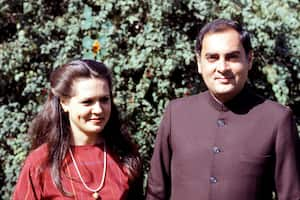
It's a popular social media trend where AI-generated images transform ordinary photographs into nostalgic 1980s-style pictures. Users upload an existing photo and ask ChatGPT to reinterpret it with an 80s aesthetic.
Explorer
ChatGPT '80s Photo Trend Takes Over Instagram: How To Create Retro Images With AI
ChatGPT’s ’80s photo trend is transforming modern portraits into nostalgic Indian retro images. Here’s how to create Bollywood, family album and vintage studio looks with AI.

ChatGPT’s ’80s trend transforms ordinary photos into nostalgic, glamorous retro portraits using detailed AI prompts.
Source : ABPLIVE AI
- ChatGPT trend transforms images into 1980s-style using AI.
- Users upload photos, specify 80s era fashion, lighting, textures.
- This popular trend combines nostalgia with highly customizable AI imagery.
- Detailed prompts achieve authentic, diverse 80s looks beyond filters.
AI-generated images inspired by the 1980s are rapidly becoming a popular way for social media users to give ordinary photographs a nostalgic makeover. From classic Bollywood portraits and family-album shots to glamorous studio pictures, the trend recreates the fashion, lighting and photographic textures associated with the decade.
The trend has found a strong audience on Instagram, where users are sharing their transformed portraits through posts, Reels and the “Add Yours” feature. ChatGPT can be used to recreate these looks by combining an uploaded photograph with a detailed description of the desired era, styling and photography.
ALSO READ: iPhone 18 Pro Price Leak: Foldable iPhone Tipped At Rs 2.5 Lakh, Pro Model Could Cost Rs 1.4 Lakh
What Is The ChatGPT ’80s Photo Trend?
The concept is straightforward. Users upload an existing photograph and ask ChatGPT to reinterpret it as though it had been photographed during the 1980s. The original person's recognisable appearance can be retained while other visual elements are changed to match the period.
Depending on the prompt, the result can include oversized hairstyles, colourful Indian clothing, prominent jewellery, studio-style backgrounds, warm illumination and the grainy texture associated with analogue photography.
Indian users can also tailor the concept to familiar settings. Portraits can be inspired by Bollywood publicity photographs, wedding albums, television-era photography or everyday family pictures from the decade.
Why Are 1980s AI Photos Going Viral?
The popularity of the trend comes from the combination of artificial intelligence and nostalgia. AI image generation makes it possible to recreate an older photographic aesthetic without requiring users to stage a period photoshoot.
The 1980s also offer plenty of distinctive visual cues. Fashion, hairstyles, jewellery, studio photography and Indian pop culture from the period provide recognizable elements that can be incorporated into an image prompt.
Users can go beyond simply applying a retro effect. They can specify a particular setting, clothing style, hairstyle, lighting arrangement and photographic finish, allowing the generated image to feel more like a photograph from the era rather than a contemporary picture with a basic vintage filter.
How To Create An ’80s Photo Using ChatGPT
Creating one of these images requires only a few steps:
- Open ChatGPT and start a new conversation.
- Use the + button to upload a suitable photograph.
- Explain the 1980s aesthetic you want, including clothing, hairstyle, location, lighting and photography style.
- Ask ChatGPT to preserve the person's recognisable facial features and natural skin tone.
- Review the generated image and refine the instructions if any details do not match the intended look.
A more detailed prompt generally gives you greater control over the final result. You can specify whether you want a Bollywood-inspired portrait, an old family photograph, a wedding picture or a professional studio shoot.
ChatGPT ’80s Photo Prompt You Can Try
For an Indian retro portrait, users can paste the following prompt alongside their uploaded image:
“Reimagine this image as an authentic, photorealistic portrait from an Indian film of the 1980s. Preserve the person’s recognisable facial features, natural skin tone, expression, and overall identity. Give the subject period-accurate, voluminous 1980s Indian hair, elegant and richly coloured Indian clothing, and tasteful statement jewellery inspired by the era.
Use warm, cinematic studio lighting with soft highlights and natural shadows, creating the glamorous yet understated look of classic Indian film photography. Add subtle analogue film grain, gentle texture, slightly faded colours, and the natural tonal imperfections of an old photographic print.
The final image should feel like a genuine photograph taken in India during the 1980s: authentic, elegant, cinematic, and naturally beautiful. Avoid the appearance of a modern digital photograph with a vintage filter; recreate the photography, styling, lighting, colour rendition, and atmosphere of the era itself while maintaining realistic skin texture and photorealism.”
More ’80s Prompts For Different Photo Styles
The same approach can be adapted to several different retro aesthetics.
Hollywood Style: "Transform the uploaded image into an authentic, glamorous 1980s Hollywood studio portrait while preserving the subject’s recognisable facial features, natural skin tone, expression, and identity. Style the subject with period-accurate 1980s hair, makeup, and sophisticated clothing inspired by classic Hollywood glamour. Use dramatic yet flattering studio lighting, soft-focus diffusion, gentle highlights, and natural shadows to create the polished look of an era-defining celebrity portrait. Incorporate subtle analogue film grain, slightly softened details, delicate colour fading, and the tonal character of vintage film photography. The result should look like a genuine professional photograph taken in a Hollywood studio during the 1980s—not a modern digital image with a retro filter. Keep it photorealistic, elegant, sophisticated, and naturally glamorous, with authentic period styling and analogue-camera character."
Family Style: "Recreate the uploaded photograph as an authentic Indian family-album picture from the mid-1980s, while keeping the subject’s facial features, expression, and natural appearance recognisable and unchanged. Use period-appropriate Indian clothing and hairstyles, with understated styling that feels true to an everyday family photograph of the era. Place the subject in a simple, believable indoor setting with soft, warm ambient lighting and natural composition. Add the subtle characteristics of 1980s analogue photography—gentle film grain, slightly muted and faded colours, soft contrast, natural skin texture, and the mild imperfections of an old printed photograph. The final result should look like a genuine family photo taken in India in the mid-1980s, not a modern photograph with a vintage filter. Keep it candid, warm, authentic, photorealistic, and naturally elegant."
Retro TV Style: "Reimagine the uploaded photograph with the authentic visual character of an Indian television portrait from the 1980s, while preserving the subject’s recognisable facial features, natural skin tone, expression, and identity. Use era-appropriate Indian clothing, hairstyles, understated makeup, and simple, authentic styling inspired by Doordarshan-era television portraits. Place the subject against a modest studio backdrop with a straightforward composition, soft warm lighting, gentle shadows, and the slightly formal presentation typical of 1980s Indian television. Recreate the visual qualities of period analogue broadcast photography: subtle film grain, mild softness, slightly muted and faded colours, natural skin texture, modest contrast, and the imperfections of vintage studio equipment and film stock. The final image should feel like a genuine 1980s Indian television portrait—warm, nostalgic, understated, and photorealistic—not a modern photograph with a generic vintage filter."
Street Style: "Reimagine the uploaded photograph as a realistic candid portrait taken on an Indian street in 1987, while preserving the subject’s recognisable facial features, natural skin tone, expression, and identity. Place the subject naturally within an authentic late-1980s Indian streetscape, surrounded by period-accurate architecture, shopfronts, vehicles, street details, clothing, signage, and everyday elements. Ensure every environmental detail feels historically appropriate to India in 1987, with no modern cars, technology, branding, or contemporary visual elements. Use natural daylight, realistic shadows, slightly imperfect framing, and the spontaneous feel of an everyday street photograph. Recreate the characteristics of 1980s analogue film with subtle grain, gentle softness, slightly faded colours, natural contrast, and authentic photographic texture. The final image should look like a genuine photograph taken in India in 1987 and developed from analogue film—not a modern photograph with a vintage filter. Keep it photorealistic, natural, atmospheric, and convincingly period-authentic."
Getting A More Authentic Retro Result
The strongest results come from describing the entire photographic environment rather than simply asking for an “80s filter.” Mentioning the decade, location, fashion, lighting, camera appearance and film texture gives the image generator more visual direction.
Users can also experiment with different versions of the same photograph. A single portrait could become a Bollywood publicity still, a family-album memory, a magazine shoot or a street photograph simply by changing the prompt.
That flexibility is a major reason the ’80s trend continues to work so well for social media. Instead of merely making an image look old, AI allows users to recreate an entire visual era around an existing photograph.
Frequently Asked Questions
What is the ChatGPT '80s photo trend?
How do users create these '80s AI photos?
Users upload a photo to ChatGPT and provide a detailed description of the desired 1980s aesthetic. ChatGPT then reinterprets the image, adding period-specific visuals like hairstyles, clothing, and textures, while preserving the original person's recognizable features.
Why are these 1980s AI photos going viral?
The popularity stems from combining AI image generation with nostalgia. It allows easy recreation of the distinctive 1980s visual cues, like fashion, hairstyles, and studio photography, without needing a period photoshoot.

Advertisement
Top Headlines
Technology

Boat Chrome Ivory Review: Dressed Like Jewellery, Thinks Like A Smartwatch
Technology

'Ramayana' Full Movie Leaked On Facebook: Ranbir Kapoor-Starrer's Pirated Copy Draws 2.3 Lakh Views
Technology

Megaspeed And The High-Stakes Battle To Get Nvidia's Advanced Chips Into China
Technology

Apple Sends Probe Team After 3 Workers Die At Tata's iPhone Factory In Tamil Nadu


Advertisement









Advertisement