




Explorer
IMF Backs India's 'Proactive' COVID-19 Response; Hails Lockdown Decision
A day earlier, the IMF in its World Economic Outlook had forecast India's growth rate to be 1.9 per cent in 2020.
IMF
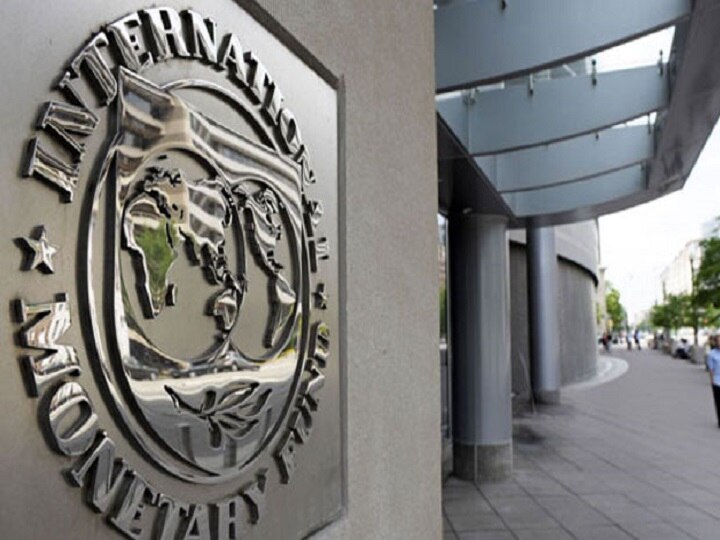
Washington: The International Monetary Fund Wednesday said that it supports India's proactive decision of a imposing a nationwide lockdown in its fight against coronavirus. A day earlier, the IMF in its World Economic Outlook had forecast India's growth rate to be 1.9 per cent in 2020. "India entered the pandemic turmoil in the midst of a credit crunch-induced slowdown and its recovery prospect becomes more uncertain," Chang Yong Rhee, the Director of the IMF's Asia and Pacific Department, told reporters during a news conference here. "Despite the economic slowdown, the government implemented a nationwide lockdown and we support India's proactive decision," Rhee said. On March 25, India entered a three-week lockdown, which was slated to end on April 14. The lockdown was extended till May 3. The impact of the coronavirus on the Asia-Pacific region will be severe, across the board, and unprecedented, he said, adding that Asia's growth in 2020 will come to a standstill. This is worse than the annual average growth rates throughout the Global Financial Crisis (4.7 percent) or the Asian Financial Crisis (1.3 percent). Actually, Asia has not experienced zero growth in the last 60 years, he said. "That said, Asia's growth still fares better than other regions." For 2021, he said, there is hope. If containment policies succeed there could be a rebound in growth, he said. However, it is highly uncertain how this year will progress, he added. Noting that this is not a time for business as usual, Rhee said that Asian countries need to use all policy instruments in their toolkits. In doing so, policy tradeoffs will be inevitable and will depend on policy space, he added. China is expected to grow by 1.2 percent in 2020. The revisions to growth reflect both losses of domestic activity due to the social distancing measures, as well as loss of external demand. "We expect a rebound in economic activity later this year. This is because China is emerging from the outbreak first. Nonetheless, there are clear risks: the virus could come back and normalization could take longer," Rhee said. Japan's economic outlook for 2020 has deteriorated significantly, he said. Real GDP in Japan is expected to decline by 5.2 percent, caused by the coronavirus impact, and a sharp deterioration of external demand, he said, adding South Korea's growth in 2020 is anticipate to be at -1.2 percent, he said. Spelling out a set of recommendations for the countries in the Asia-Pacific region, Rhee said the first priority is to support and protect the health sector to contain the virus and introduce measures that slow contagion. "If there is not enough fiscal space, countries will need to re-prioritize from other expenditures," he said. Noting that containment measures are severely affecting economies, he said targeted support to hardest-hit households and firms is needed. This is a real economic shock unlike the Global Financial Crisis. Protect people, jobs and industries directly, not just through financial institutions, he said. Observing that the pandemic is also affecting the financial market functioning, he urged countries to use monetary and macroprudential regulations flexibly to provide ample liquidity, ease financial stress of industries and SMEs. "For emerging markets with limited fiscal space, they might need to consider how to use central bank balance sheets flexibly to help SMEs through risk sharing with the government, he said. Asserting that external pressures need to be contained, he said that countries should seek and utilize bilateral and multilateral swap lines and financial support from the multilateral institutions. There can be a role for capital flow measures to secure external sector stability as a prerequisite to use more aggressive domestic policies to prevent lasting social and economic distress, he said. "Targeted support combined with domestic demand stimulus in a recovery will help to reduce scarring, but it needs to reach people and smaller firms."
Top Headlines
World

Saudi Arabia's Riyadh Airport Attacked Again; Evacuated, Officials Say
World

Three School Attacks In A Week: Poland Detains 76, Steps Up Security At Schools
World

Trump Names Katie Zacharia As New Press Secretary, To Succeed Karoline Leavitt
World

Trump Calls Nobel Peace Prize Choice 'Disgraceful', Says Award Should Have Gone To Him









See Today's Weather 
powered by



