It is a new structure designed to address the issues faced by small businesses in Punjab by dismantling red tape and bureaucratic neglect. It aims to bring governance closer to the traders.
Explorer
Punjab’s Big Promise To Traders: No More Office Hopping As Kejriwal–Mann Launch People-First Market Reforms
Punjab launches trader-friendly reforms as Kejriwal and CM Mann assure shopkeepers of doorstep governance, tax relief efforts and market transformation.

Arvind Kejriwal and CM Bhagwant Singh Mann address traders in SAS Nagar, launching Punjab’s first people-centric market reform commission.
Source : Special Arrangement
- Punjab launches State Traders Commission to cut red tape.
- Commission aims to solve local market issues at district level.
- Traders will now participate in policy decisions directly.
- Government pledges to end 'tax terrorism' for small businesses.
In a moment that could redefine Punjab’s business landscape, Aam Aadmi Party National Convenor Arvind Kejriwal and Chief Minister Bhagwant Singh Mann met with traders and shopkeepers in SAS Nagar to launch the Punjab State Traders Commission, a move designed to dismantle decades of red tape, fear and bureaucratic neglect that small businesses have long endured.
The atmosphere inside the hall reflected something rare in politics: optimism.
ALSO READ: TMC Accuses ED Of Data Seizure, Sabotaging Bengal Elections; ED Alleges Obstruction
A New Chapter For Punjab’s Shopkeepers
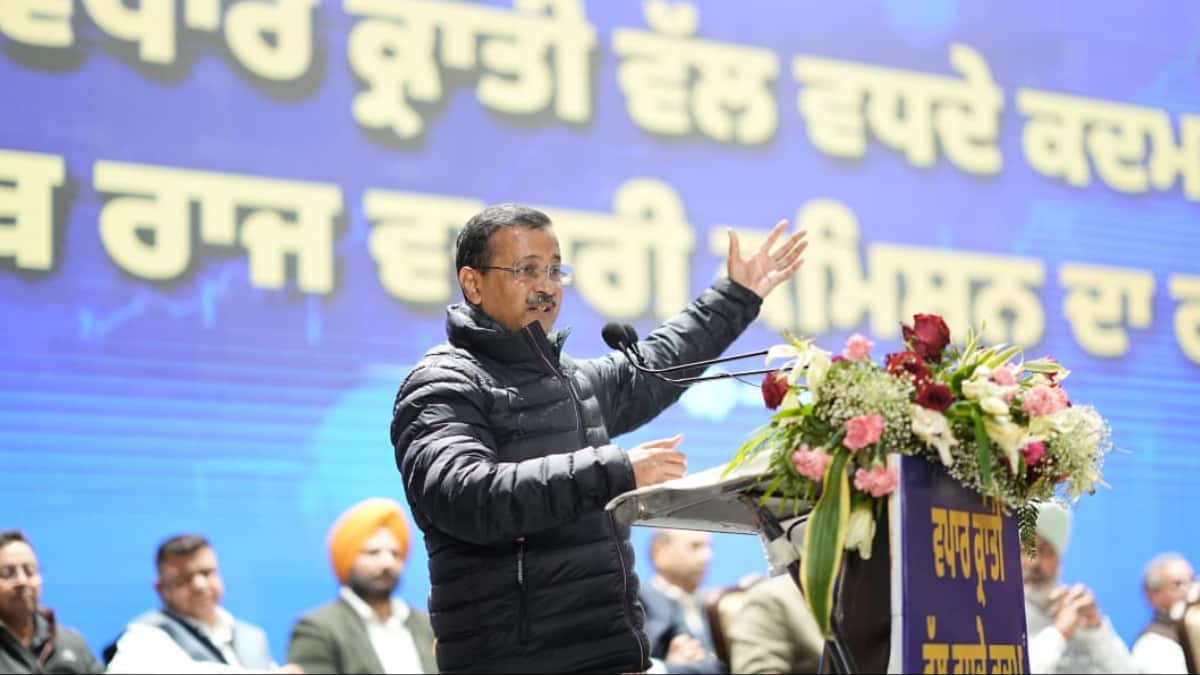
Addressing the gathering, Arvind Kejriwal described the day as historic, marking a long-awaited turning point for small traders.
“Today, a new beginning is taking place for small shopkeepers, traders and markets, towards whom no one ever paid attention until now…”
He noted how, even after four years of AAP governance, people were openly praising the government’s work, something he contrasted with previous Congress and Akali administrations that avoided public feedback.
“It is often said that after four years, strong anti incumbency sets in… I listened very carefully just now and heard people praising the work, that it has worked well over four years.”
Ending ‘Tax Terrorism’ And Office Hopping
Kejriwal delivered a sharp critique of how traders are treated across the country.
“There is a kind of tax terrorism going on… governments squeeze you through taxes and political parties squeeze you during elections… but we do not think like that.”
Drawing from his own childhood spent helping at his uncle’s shop, he spoke of the daily struggles shopkeepers face and why their protection is essential for national progress.
“No country can progress until it protects even its smallest shopkeeper and provides him facilities.”
How The New Commission Will Work
The newly-formed structure places traders inside the decision-making system:
- State-level commission
- District-level committees
- Constituency-level panels including traders, police and local administration
“Now the government itself will reach them… Ninety percent of these problems will be solved at that level itself.”
Market issues, from broken roads and sanitation to law and order, will be addressed locally, while policy matters will be escalated directly to the state government.
CM Mann: ‘Shopkeepers Are The True Patriots’
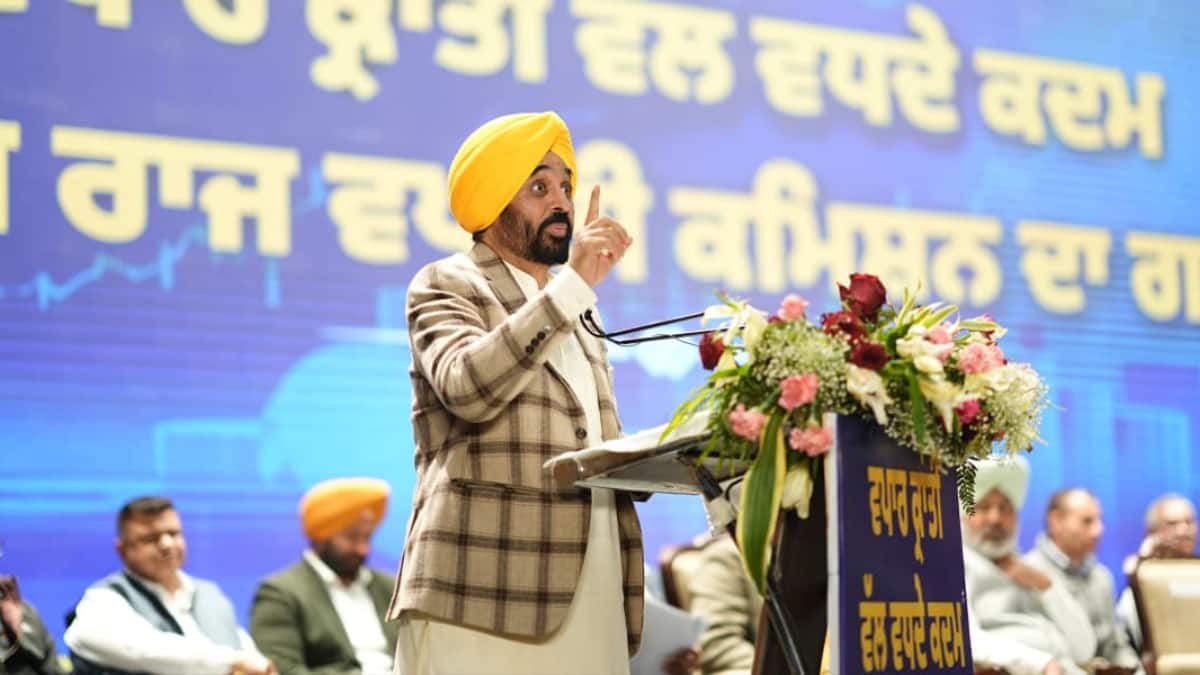
Chief Minister Bhagwant Singh Mann described the initiative as unprecedented in Punjab’s political history.
“This is a unique programme… launched especially for the welfare of small shopkeepers.”
Highlighting achievements of the AAP government, he pointed to over 61,000 merit-based jobs, closure of 17 toll plazas saving ₹64 lakh daily, and the expansion of Aam Aadmi Clinics.
“Traders serve the country in the real sense by driving the economy.”
Sisodia: Empowering Traders From Inside The Market
AAP leader Manish Sisodia emphasised that this was the first time in India that traders themselves were shaping governance.
“Now, they will not have to go anywhere, because the government itself will reach them.”
A Market-Driven Future For Punjab
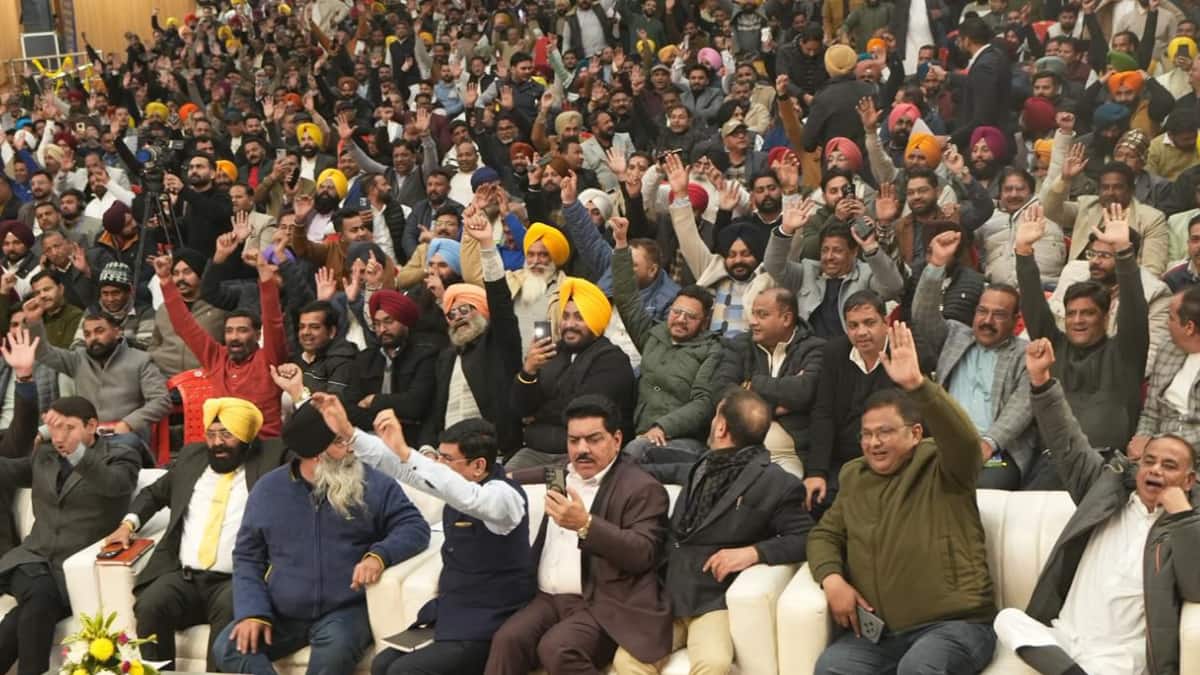
With local market issues being addressed on the ground and policy bottlenecks moving directly to the state level, Punjab’s business community is stepping into a new era, one where governance finally walks into the marketplace instead of calling traders into endless corridors of paperwork.
And for thousands of shopkeepers across Punjab, that change cannot come soon enough.
Before You Go
JHARKHAND EXAM ROW: Students Halted 300 Metres From Old Assembly, Demand March Ahead
Frequently Asked Questions
What is the Punjab State Traders Commission?
How will the new commission operate?
The commission will have state-level, district-level, and constituency-level committees. These committees will include traders, police, and local administration to address issues locally.
What kind of problems will the commission address?
It will tackle market issues like broken roads, sanitation, and law and order at the local level. Policy matters will be escalated directly to the state government.
What is the main goal of this initiative?
The main goal is to protect and facilitate small shopkeepers and traders, viewing them as crucial for national progress. It aims to end 'tax terrorism' and improve the business environment.

Top Headlines
India

28 Vehicles Following Atiq Ahmed's Son's Convoy Booked For Breaking Toll Barrier In Prayagraj
India

JPSC Exam Row: LoP Marandi, BJP Leaders Detained Amid Protest Outside CM Residence
India

Jilted Lover Plots Drug Case To Frame Ex-Girlfriend's Husband In J&K
India

Rift Emerges In NCPI Over BJP Ties As 3 Trinamool Rebels Skip NDA Meetings







See Today's Weather 
powered by