Omar Calls On Modi In First Meeting Since Pahalgam Attack; PM Pledges ‘Firm, Decisive’ Action Against Terrorists
J&K CM Omar Abdullah met PM Modi in New Delhi. They discussed several matters, including the recent terror attack in Pahalgam, the Jammu and Kashmir National Conference stated.

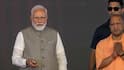
Jammu and Kashmir Chief Minister Omar Abdullah met Prime Minister Narendra Modi in New Delhi on Saturday and discussed several pressing matters, including the terror attack in Pahalgam that left 26 people, mostly tourists, dead. This marks the first interaction between the two leaders since the April 22 massacre.
According to officials cited by news agency PTI, the meeting took place at the Prime Minister’s residence and lasted around 30 minutes.
The Jammu and Kashmir National Conference (JKNC) posted on social media platform X, “Chief Minister J&K Omar Abdullah called on the Prime Minister Narendra Modi in New Delhi and discussed various issues, including last week’s Pahalgam Terror Attack.”
Honourable Chief Minister J&K @OmarAbdullah called on the Honourable Prime Minister @narendramodi in New Delhi and discussed various issues, including last week’s Pahalgam Terror Attack. pic.twitter.com/p3wncevKFM
— JKNC (@JKNC_) May 3, 2025
The Prime Minister's Office shared photos of the meeting on social media.
Notably, Omar Abdullah's meeting with PM Modi was followed by Navy chief Admiral Dinesh K Tripathi who also met the Prime Minister at his residence, as per news agency PTI.
Committed To Take 'Firm And Decisive' Action Against Terrorists, Their Backers: PM Modi
After holding bilateral talks with visiting Angolan President Joao Manuel Goncalves Lourenco, Prime Minister Narendra Modi said, “We are unanimous that terrorism is the biggest threat to humanity. I expressed my gratitude to President Lourenco and Angola for their condolences to those killed in the terrorist attack in Pahalgam.” He further added, “We are committed to take firm and decisive action against the terrorists and those who support them.”
As the investigation intensified, Sri Lankan police searched a flight arriving in Colombo from Chennai after receiving a tip-off about a suspect linked to the massacre possibly being on board. A spokesperson in Colombo said the aircraft was thoroughly inspected and cleared for further operations, PTI reported. Indian authorities have identified four terrorists behind the attack, including two Pakistani nationals.
India Imposes Total Ban on Imports, Port Access from Pakistan
India on Saturday imposed a total ban on the import of goods originating from or transiting through Pakistan and barred entry of Pakistani ships into its ports, escalating its punitive response following the deadly terror attack in Jammu and Kashmir’s Pahalgam on 22 April, which claimed 26 lives, mostly tourists.
In addition to the import ban, India has suspended the exchange of all categories of inbound mail and parcels from Pakistan via air and surface routes, according to an order issued by the Department of Posts under the Ministry of Communication. These fresh measures came into immediate effect amid heightened Indo-Pak tensions.
A government order cited national security and public policy as grounds for the complete ban on imports from Pakistan. Although direct imports were already minimal due to the 200 per cent import duty imposed in 2019 after the Pulwama attack, the latest move also prohibits goods routed through third countries. India’s exports to Pakistan during April–January 2024–25 were valued at USD 447.65 million, while imports stood at just USD 0.42 million, mostly limited to niche products such as figs, herbs like basil and rosemary, certain chemicals, and Himalayan pink salt.
According to a notification dated 2 May issued by the Directorate General of Foreign Trade (DGFT), the Foreign Trade Policy (FTP) 2023 has been updated to include a provision prohibiting “direct or indirect import or transit of all goods originating in or exported from Pakistan, whether or not freely importable or otherwise permitted, with immediate effect, until further orders”. Any exception would require approval from the Government of India, it added.
Commenting on the development, Global Trade Research Initiative (GTRI) said the economic impact on India would be minimal as the country does not rely on Pakistani goods. GTRI Founder Ajay Srivastava noted, “India’s already minuscule imports from Pakistan will now drop to zero. No one in India will miss anything except perhaps Himalayan pink salt (sendha namak), extracted from salt deposits of Pakistan.”
The Directorate General of Shipping (DGS) also confirmed that Indian ships are now barred from visiting Pakistani ports, in addition to the ban on Pakistani vessels entering Indian ports. The DGS said the directive was issued to ensure the safety of Indian assets, cargo, and related infrastructure. Any exemption will be examined on a case-by-case basis.
These measures follow an earlier set of punitive actions by India, including the suspension of the Indus Waters Treaty, the closure of the Attari land border, and the downgrading of diplomatic ties. In retaliation, Pakistan shut its airspace to Indian aircraft and suspended all trade with India, including third-country routes. India has also banned Pakistani air carriers from using its airspace. Pakistan, in turn, rejected the suspension of the Indus Waters Treaty, warning that any attempt to stop the water flow would be regarded as an act of war.
India, citing cross-border involvement in the April 22 attack, has pledged stringent punishment for those responsible. As part of the initial set of actions, India revoked all visas issued to Pakistani nationals.
Before You Go
Twisha Sharma Case: CBI Chargesheet Says Death Was Suicide



Top Headlines