India's 7 UNESCO Natural Sites That Will Leave You Awestruck
A breathtaking view of India’s UNESCO Natural Heritage Sites, from the lush forests of Kaziranga to the floral valleys of Uttarakhand, where nature and biodiversity thrive in harmony.

India's breathtaking natural diversity and some of its most iconic landscpaes have earned global recognition as UNESCO World Natural Heritage Sites. From ancient forests teeming with endangered wildlife to unique geological formations and mystical wetlands, these locations are not just travel destinations, they're living testaments to India's ecological richness. These seven UNESCO World Heritage Natural Sites promise experiences that are soulstirring and unforgettable to all. Whether you're a nature lover, an adventure seeker, or a curious explorer, these seven gems of India deserve a top spot on your bucket list.
ALSO READ: These 6 Pink Lakes Around The World Look Too Magical To Be Real
1. Kaziranga National Park, Assam
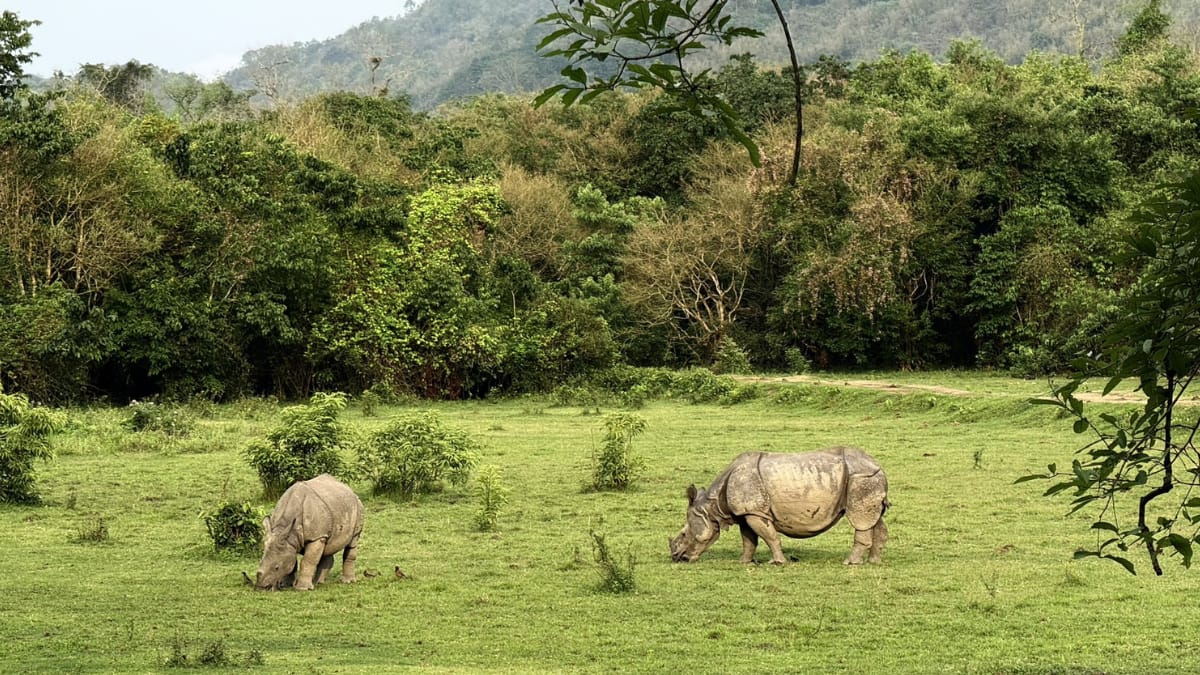
Tucked away in the lush floodplains of the Brahmaputra River, Kaziranga National Park is one of the most famous wildlife sanctuaries. Declared a UNESCO World Heritage Site in 1985, this destination is renowned for housing the world's largest population of the endangered one-horned rhinoceros. Kaziranga is mosaic of grasslands, marshes, and forests that host elephants, wild water buffaloes, swamp deer, and even tigers. This sprawling national park has a thriving birdlife, including pelicans, storks, and eagles, making it a paradise for birdwatchers. The safari rides here re thrilling and offers opportunity to encounter the wildlife, especially during the dry season.
2. Keoladeo National Park, Rajasthan
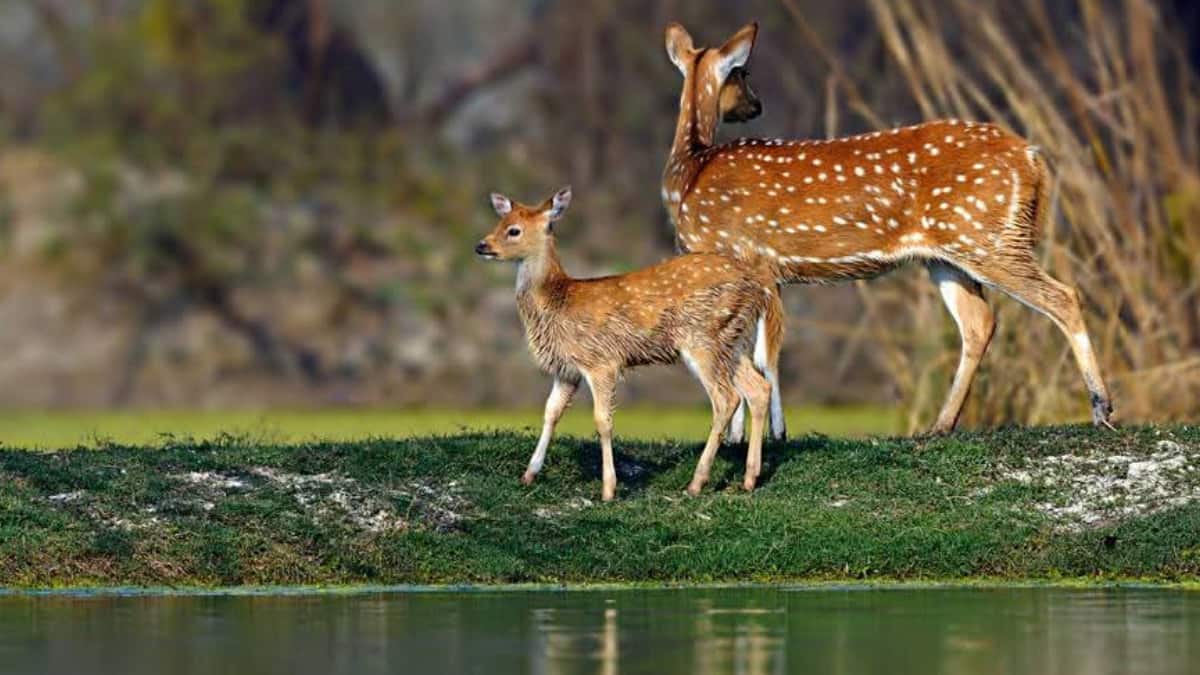
Keoladeo National Park in Bharatpur has transformed into one of Asia's most important bird sanctuaries. It was recognised by UNESCO in 1985. This 29 square kilometre wetland is a seasonal refuge for over 370 bird species that include the rare Siberian crane. Its marshes, grasslands, and woodlands support a rich ecosystem that draws nature photographers and ornithologists from around the world. During the colder months, the park bursts into life as migratory birds from Central Asia arrive in large flocks. Keoladeo is a symphony of chirping wings and wild calls that offers a peaceful yet exhilarating experience for nature lovers.
3. Manas Wildlife Sanctuary, Assam
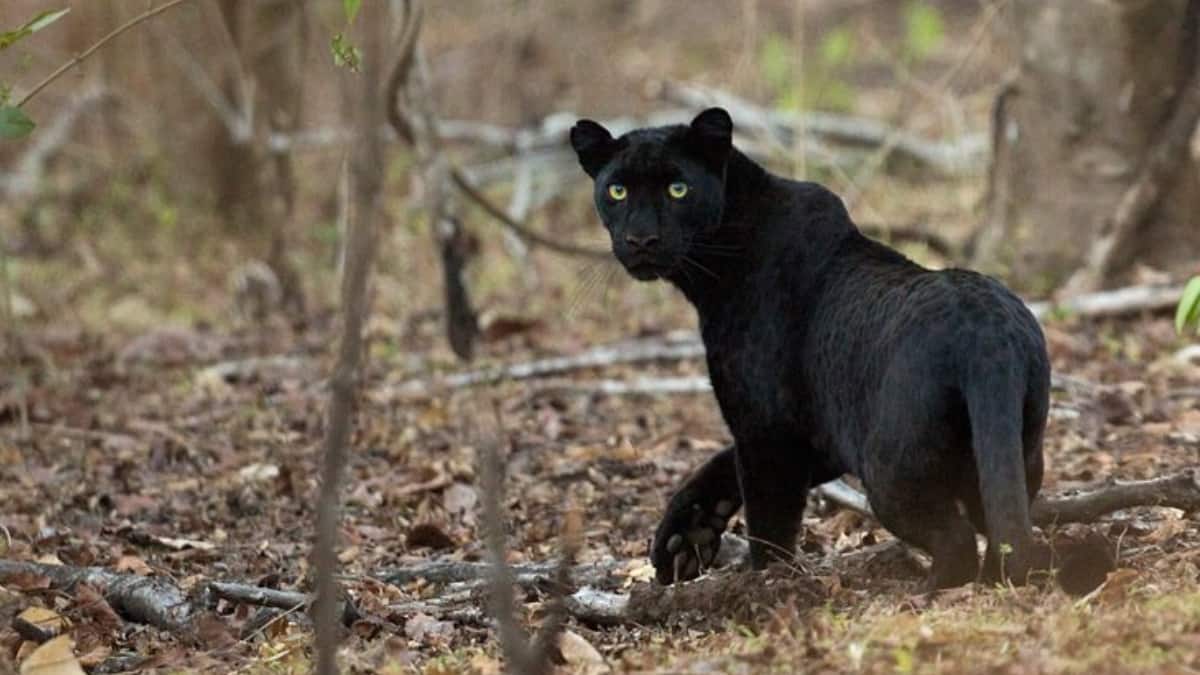
Spread across over 500 square kilometres, this sanctuary is home of some of the rarest and most endangered species on the planet, including the Assam Roofed Turtle, Golden Langur, and Pygmy Hog. Tucked away at the foothills of the Eastern Himalayas in Assam, Manas Wildlife Sanctuary is a rare gem. Recognised by UNESCO not just for its exceptional biodiversity, but also for being a Project Tiger Reserve, Elephant Reserve, and Biosphere Reserve, Manas is the only one of its kind in the country. The sanctuary lies along the India-Bhutan border, and its scenic beauty is as compelling as its wildlife. Jeep safaris, birdwatching tours, and guided nature walks make this a dream destination for eco-tourists and wildlife photographers.
4. Western Ghats
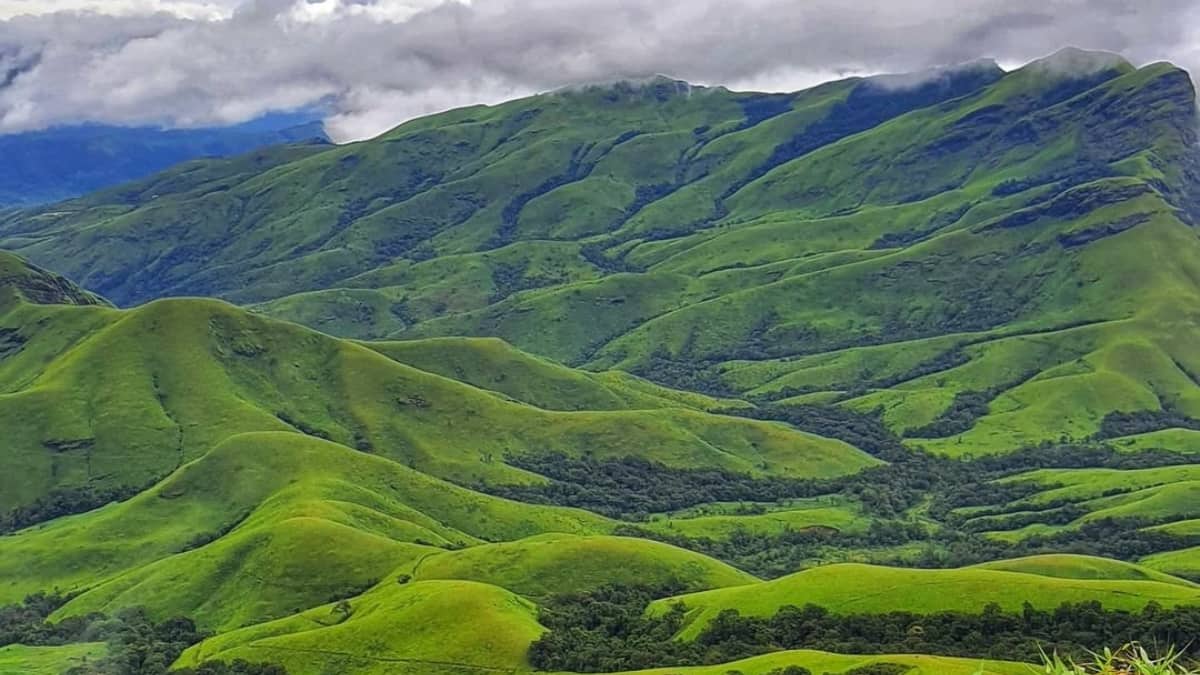
Running parallel to the western coast of India, the Western Ghats are a mountain range. They're one of the world's eight "hottest hotspots" of biodiversity. Spanning six states, including Maharashtra, Kerala, Tamil Nadu, and Karnataka, this region shelters over 7,400 species of plants and animals, many of which are endemic. In 2012, these ghats are recognised by UNESCO as a natural heritage site. The Ghats are home to protected areas like Silent Valley, Periyar, and Kudremukh. With dense rainforests, cascading waterfalls, and misty peaks, the region offers not just ecological richness but also cultural and spiritual experiences.
5. Sundarban National Park, West Bengal
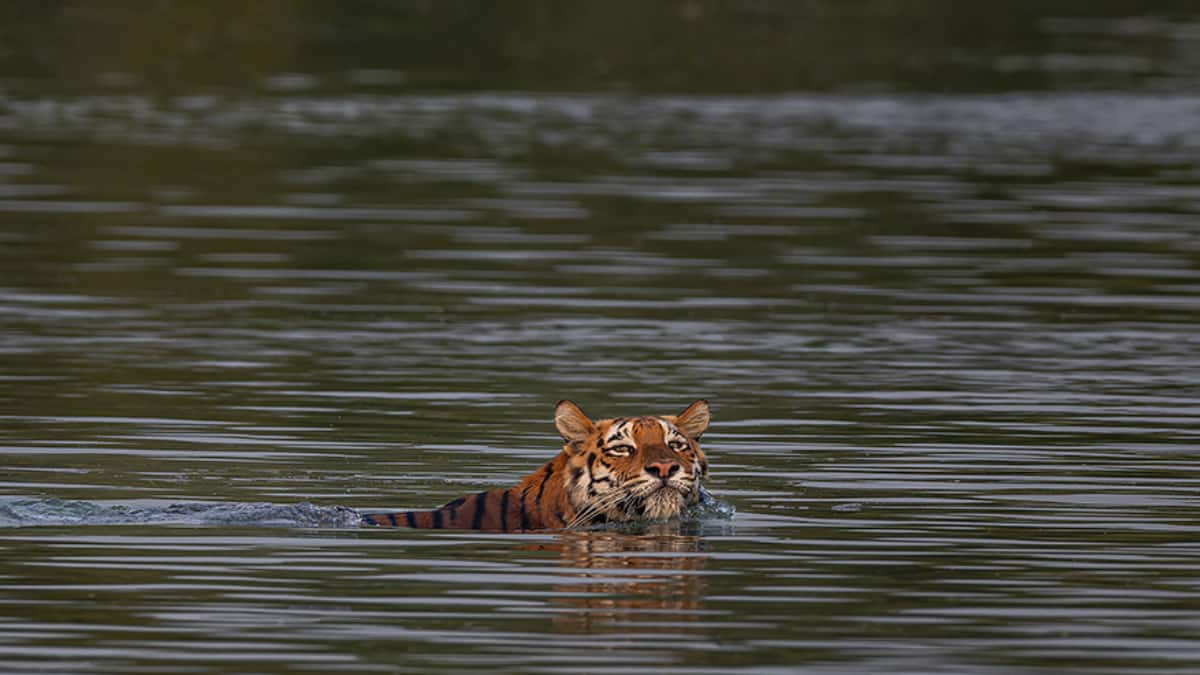
The Sundarbas is the world's largest mangrove forest that stretches across India and Bangladesh. The Indian portion was designated as a UNESCO Natural Heritage Site in 1987. It’s most famous for being the elusive habitat of the Royal Bengal Tiger, along with saltwater crocodiles, spotted deer, and a variety of bird species. Accessible mainly by boat, the Sundarbans offers a unique travel experience where every waterway feels like a portal to another world. The park plays a vital role in coastal protection and carbon sequestration, making it as crucial environmentally as it is visually mesmerising.
6. Nanda Devi And Valley Of Flowers National Parks, Uttarakhand
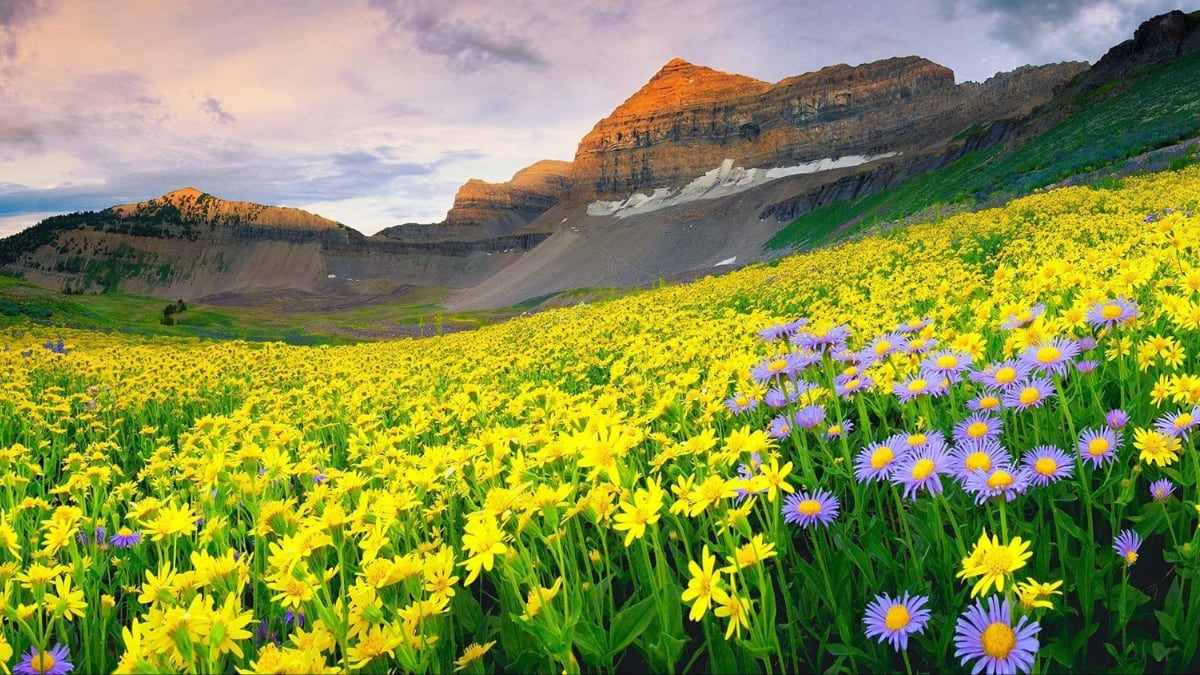
Nestled in the Garhwal Himalayas, these are twin peaks that offer a combination of rugged adventure and floral serenity. Nanda Devi National Park, dominated by India’s second-highest peak, is a fortress of high-altitude wilderness, while the Valley of Flowers blooms with countless species of alpine flowers during monsoon. Endangered species like the snow leopard, Asiatic black bear, and blue sheep also roam these alpine meadows. Treks to the Valley of Flowers are both challenging and soul-rewarding, opening up surreal views of glacial rivers, meadows, and waterfalls.
7. Great Himalayan National Park, Himachal Pradesh
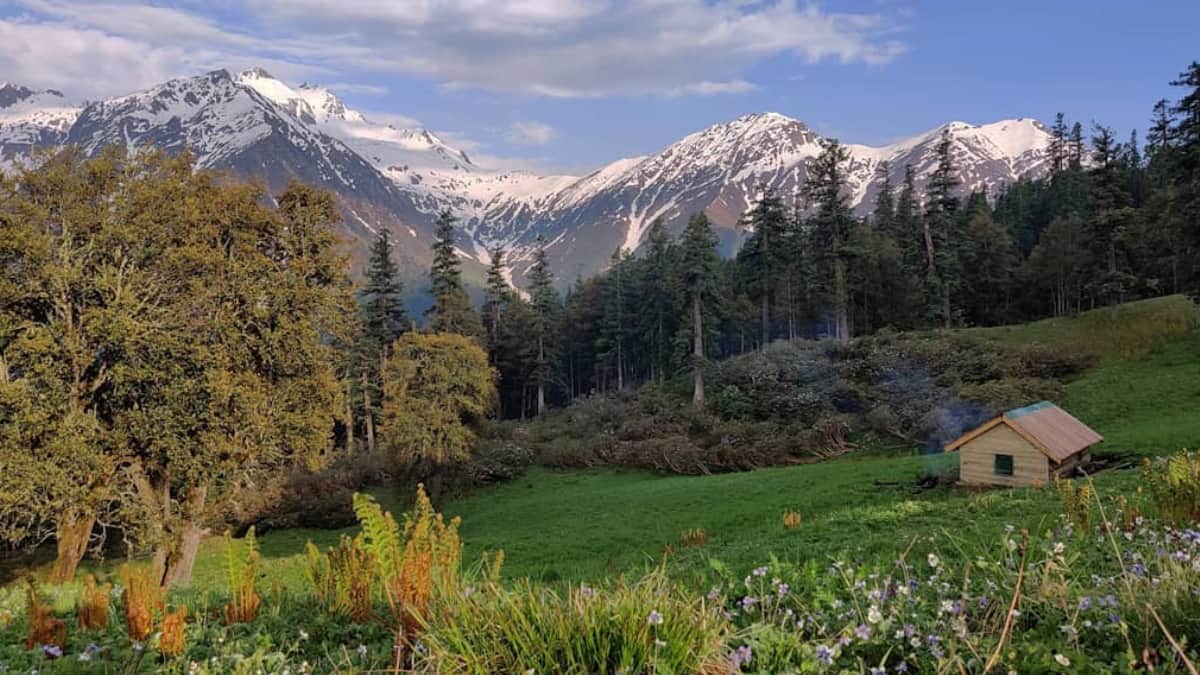
Perched in the Kullu region, the Great Himalayan National Park is one of India’s most pristine high-altitude ecosystems. This park spans over 1,100 square kilometers and boasts snow-capped peaks, alpine meadows, and dense coniferous forests. Home to over 375 fauna species, including musk deer, Himalayan brown bear, and western tragopan, Great Himalayan National Park is an ecological treasure trove. With minimal human interference, the park allows nature to thrive untouched. It is a perfect getaway for those seeking solitude, biodiversity, and natural grandeur in one trip.

Top Headlines