Gradually acclimate your pet to travel conditions with short trips. Ensure they are up-to-date on vaccinations and medications. Bring familiar items for comfort.
Explorer
ABP Live Pet First | 7 Essential Tips For Travelling Safely With Your Pet
ABP Live Pet First | Read about 7 essential tips to travel safely with your pet, ensuring comfort, health, and happiness during your journey. Must-read guide for every pet parent!

ABP Live Pet First | Ensure a safe, fun, and stress-free journey for your pet with these 7 travel tips.
Source : ABPLIVE AI
- Prepare pets for travel by acclimatizing them to cars.
- Choose sturdy, well-ventilated carriers with secure latches.
- Pack essential supplies including food, water, and medications.
- Schedule regular breaks to keep pets comfortable and hydrated.
Travelling with your pet can be one of life’s most joyful experiences, but it also comes with a unique set of responsibilities. Whether you’re planning a weekend getaway or a long road trip, ensuring the comfort, safety, and happiness of your furry friend is essential. Many pet owners underestimate the planning required for smooth travel, often leading to unnecessary stress for both the pet and the owner.
This guide provides seven essential tips for travelling safely with your pet, helping you make every journey memorable, enjoyable, and safe.
ALSO READ: ABP Live Pet First | 8 Dog Body Language Signals That Show What Your Pet Wants
1. Prepare Your Pet In Advance

Travelling with a pet requires careful preparation well before you set off. Start by gradually acclimatising your pet to travel conditions. For dogs, short car rides can help them feel comfortable with motion and confined spaces. Cats may benefit from a safe carrier at home to get used to confined travel. Ensure your pet is up-to-date with vaccinations, flea control, and any medications needed for the journey. Keep a copy of their medical records and identification tags ready, just in case. Familiar items such as a favourite blanket, toy, or cushion can provide comfort and reduce anxiety.
2. Choose The Right Travel Carrier
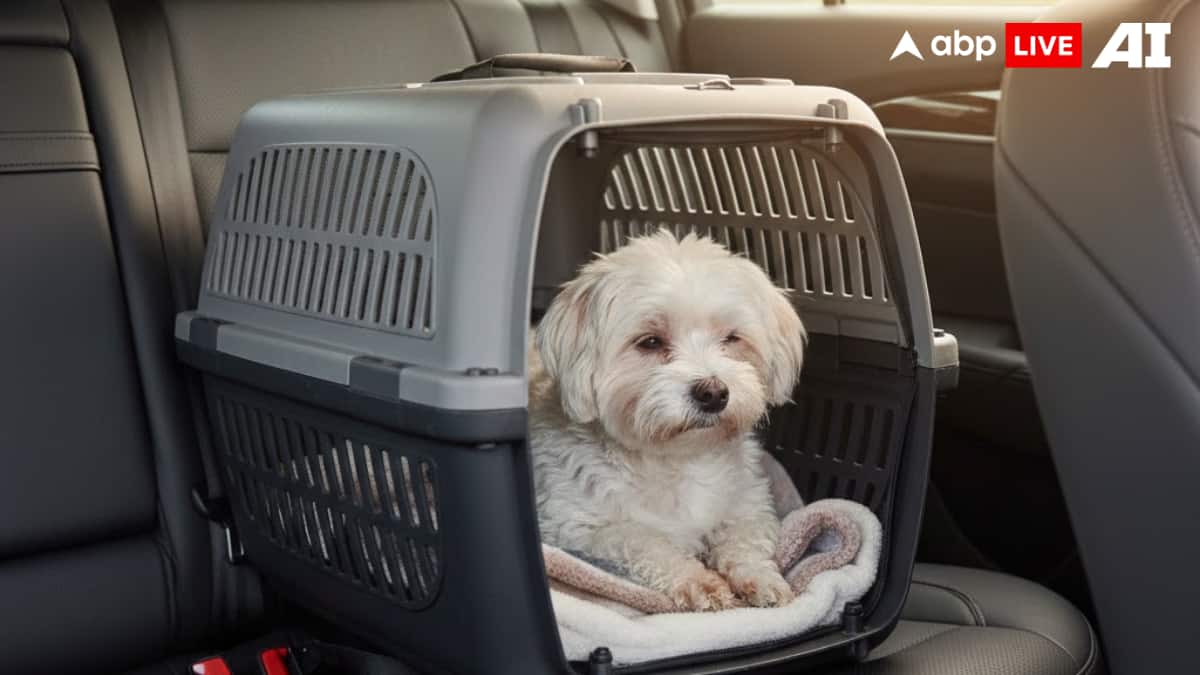
Selecting the right travel carrier is crucial for your pet’s safety and comfort. Carriers should be well-ventilated, spacious enough for your pet to sit, stand, and turn comfortably, and sturdy to prevent accidents. Soft-sided carriers are ideal for air travel, while hard-sided carriers provide maximum protection during road trips. Ensure the carrier is equipped with a secure latch or locking system to avoid accidental escapes. Adding familiar items like a blanket, cushion, or small toy inside can help your pet feel more at home. Label the carrier with your contact information and your pet’s name in case of emergencies.
3. Pack Essential Supplies

When travelling with a pet, packing the right essentials is key. Bring enough food, water, bowls, and treats to last the entire trip, along with extra portions in case of delays. Don’t forget leashes, harnesses, and waste bags to manage outdoor breaks responsibly. Medications, first-aid supplies, grooming tools, and familiar items like blankets or toys provide comfort and ensure your pet’s health and wellbeing. Carry a portable water bottle and collapsible bowls for convenience. For longer trips, consider packing a pet-friendly calming spray or anxiety relief product recommended by your vet.
4. Maintain Regular Breaks
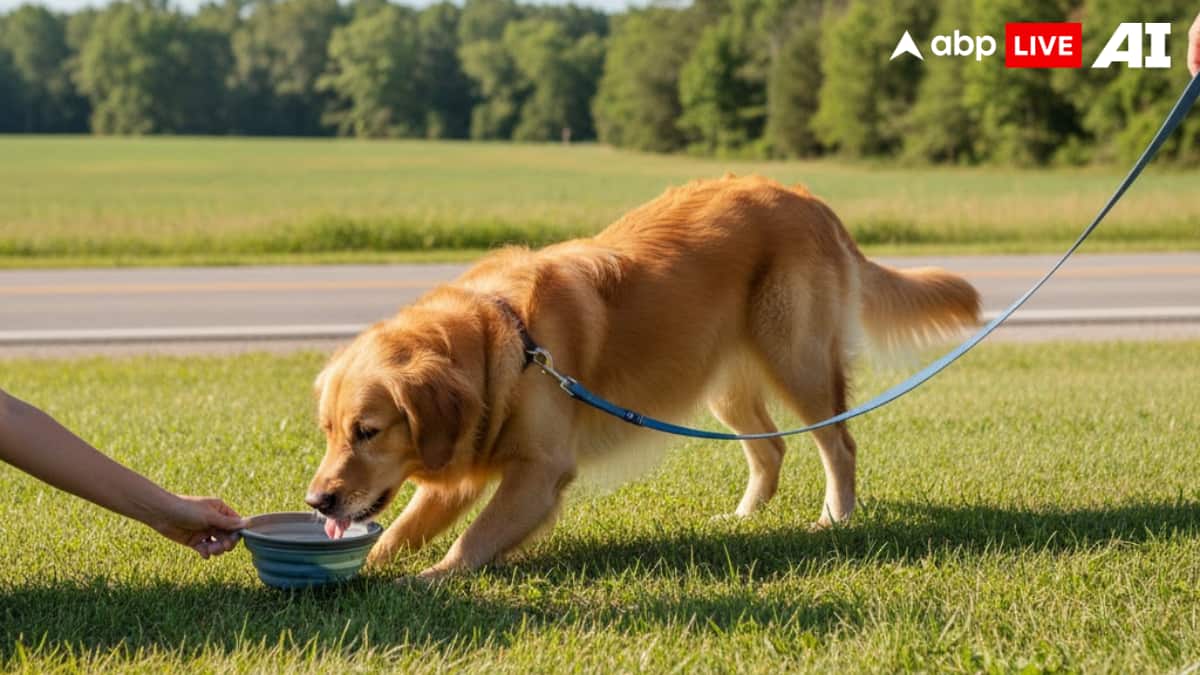
Frequent breaks during travel are essential to keep your pet comfortable, hydrated, and stress-free. For road trips, stop every 2-3 hours to allow your pet to stretch, relieve themselves, and drink water. Outdoor breaks in safe, enclosed areas are ideal. Avoid leaving pets in a parked vehicle, especially in hot or cold weather, as temperature extremes can be dangerous. Keep an eye on signs of fatigue, dehydration, or stress, adjusting the travel schedule accordingly. Short walks, play sessions, and bathroom breaks not only keep your pet physically active but also mentally relaxed.
5. Keep Them Calm And Entertained
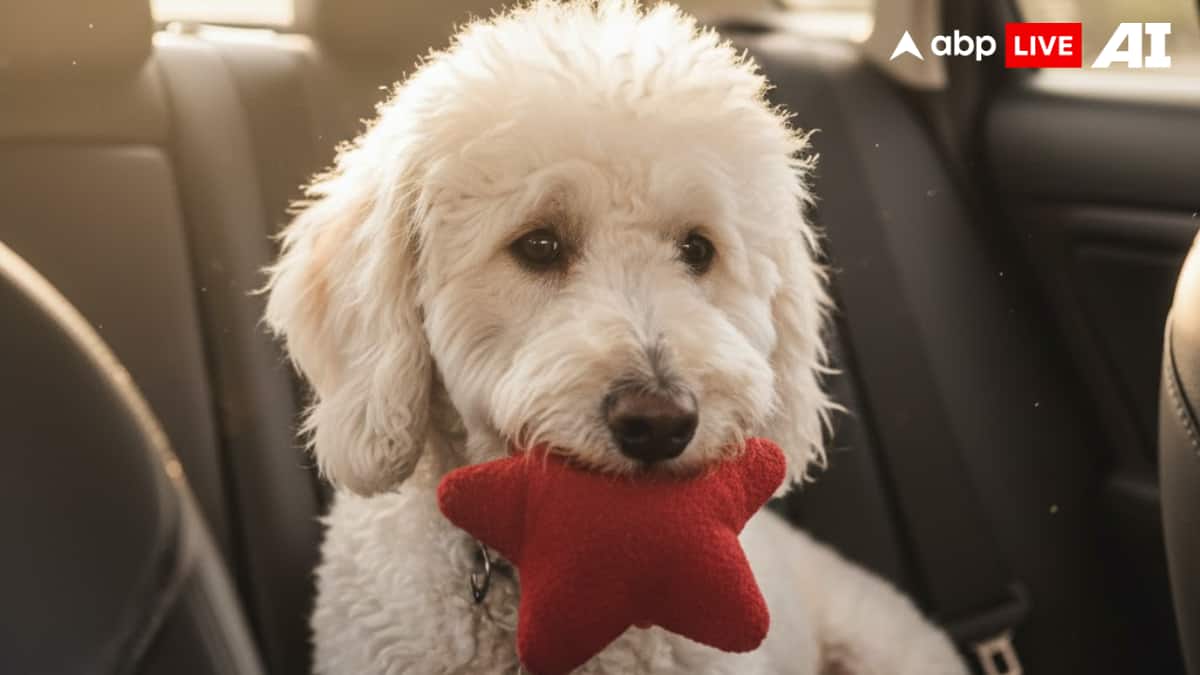
Pets can easily get anxious during travel, so it’s important to keep them calm and engaged. Gentle music or soft familiar sounds can help reduce stress. Offer toys or chew items to keep them occupied and provide a sense of comfort. For pets prone to travel anxiety, discuss natural calming supplements or vet-approved remedies. Avoid feeding a heavy meal right before travelling, as this may cause nausea. Maintaining a calm attitude yourself also helps your pet feel more secure.
6. Follow Safety Measures
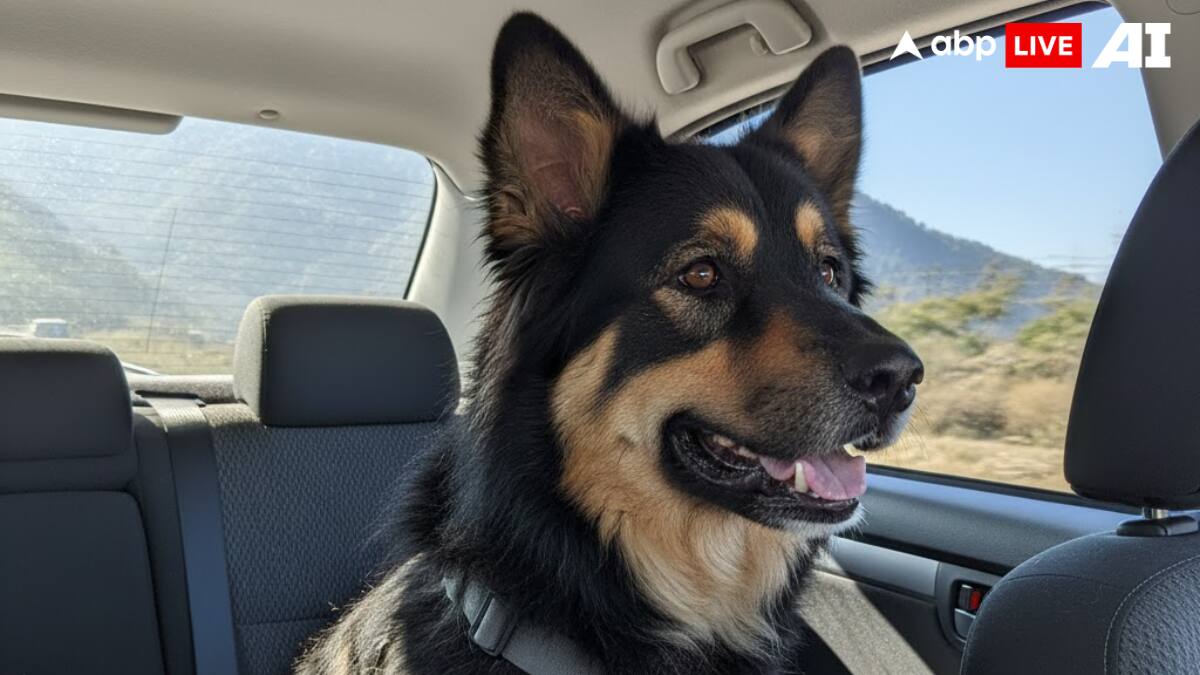
Safety is paramount when travelling with pets. Never allow your pet to roam freely in a moving vehicle; use seat belts, carriers, or travel harnesses. Secure carriers or crates to prevent slipping or tipping. Ensure windows are closed or partially open to avoid accidental escapes or injuries. For air travel, check airline guidelines for pet travel requirements and necessary documentation. Carry emergency contacts, including local vets or pet hospitals at your destination.
7. Plan Accommodation In Advance

Before embarking on a trip, ensure your accommodation is pet-friendly and meets your pet’s needs. Research hotels, homestays, or resorts that welcome pets and provide amenities like pet beds, bowls, and designated outdoor areas. Confirm rules regarding pet sizes, breeds, and additional charges to avoid surprises. Booking in advance also ensures availability, especially during peak travel seasons. Some properties even offer pet-sitting or play areas, enhancing the experience for your furry friend. Proper planning allows your pet to settle comfortably at the destination, keeping stress levels low.
[Disclaimer: The information provided in this article is intended for general informational purposes only. It is not a substitute for professional veterinary advice, diagnosis, or treatment. Always consult a qualified veterinarian regarding your pet’s health, diet, or any medical concerns.]
Frequently Asked Questions
How should I prepare my pet for travel?
What kind of travel carrier is best for my pet?
Choose a carrier that is well-ventilated, spacious, and sturdy. Soft-sided carriers are good for air travel, while hard-sided ones offer more protection for road trips.
What essential supplies should I pack for my pet?
Pack enough food, water, bowls, treats, leashes, harnesses, waste bags, and any necessary medications. Include grooming tools and comfort items.
How often should I take breaks during a road trip with my pet?
Stop every 2-3 hours to allow your pet to stretch, relieve themselves, and drink water. Ensure outdoor breaks are in safe, enclosed areas.
What are the most important safety measures when traveling with pets?
Never let your pet roam freely in a moving vehicle. Use seat belts, carriers, or travel harnesses and secure them properly. Ensure windows are safe.

Top Headlines
Lifestyle

Why Did Hardik Pandya Offer His Hair At Tirupati? Sacred Meaning Behind Ancient Ritual
Lifestyle

8 Low-Maintenance Indoor Plants That Are Perfect For First-Time Plant Parents
Lifestyle

Monsoon Laundry Tips: 17 Easy Ways To Stop Clothes Smelling Damp During The Rainy Season
Lifestyle

Monsoon Making Your Home Smell Damp? 10 Easy Fixes To Keep Moisture And Mould Away












See Today's Weather 
powered by